How to Minimize Loss Exposure During Cross-Docking Operations
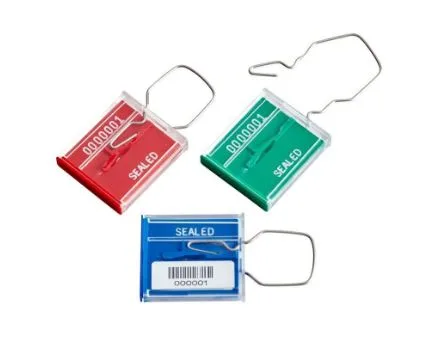
Minimizing loss exposure during cross-docking operations requires careful planning, consistent processes, and the use of reliable security measures. Logistics teams can reduce the risk of lost, misplaced, or tampered cargo by combining structured verification steps, real-time monitoring, and physical safeguards such as cable seals to protect shipments at every stage. By identifying risk points proactively and implementing standardized procedures, cross-docking operations maintain control without slowing down workflow. These measures ensure accountability at every transfer point and help prevent errors or unauthorized access. This approach is essential for businesses handling high volumes of goods across multiple handling and transit stages.
Cross-docking operations are essential for fast and efficient supply chains, but their speed can increase the risk of shrinkage and operational mistakes. Multiple touchpoints, overlapping responsibilities, and high-volume handling create opportunities for errors or mishandling. Implementing standardized check-in and check-out procedures, along with proper staff training and consistent inspection practices, helps ensure that cargo integrity is maintained throughout the process. Real-time monitoring and accountability measures further enhance operational control and oversight. Addressing these risks reduces loss, improves reliability, strengthens trust in the supply chain, and enhances overall operational performance.
Where Are Cross-Docking Shipments Most at Risk
Loss risks in cross-docking environments tend to concentrate at stages where goods change hands or move through high-activity areas. These include unloading inbound shipments, sorting and staging areas, and loading onto outbound vehicles. Each stage introduces potential for human error, misplacement, or unauthorized access. Common problems include inaccurate documentation, misrouted shipments, or inconsistent handling procedures. Using cable seals on containers and trailers provides a clear visual cue if tampering has occurred, making it easier to detect breaches early.
Another factor contributing to loss risk is inconsistent supervision. When some shipments are closely monitored while others are left unchecked, the likelihood of theft or accidental damage increases. Rapid transitions, time pressures, and overlapping tasks exacerbate these vulnerabilities. Establishing accountability at each transfer point and documenting inspections reduces exposure. By focusing on both high-risk areas and potential human errors, logistics teams can minimize incidents and improve overall operational reliability.
How Do Check-In and Check-Out Procedures Reduce Errors
Standardized check-in and check-out procedures reduce errors by ensuring every shipment is verified consistently during cross-docking. Each shipment should be cross-checked against documentation immediately upon arrival and again before it leaves the facility. Cargo must be inspected for damage, completeness, and proper sealing during every transfer. Staff should follow the same steps consistently, eliminating ambiguity and preventing gaps in accountability. Adding meter seals to shipments provides additional security and visual confirmation that loads remain intact between handoffs.
Consistent verification procedures also make it easier to detect mistakes quickly. Time-stamped logs create a reliable record of inspections, which can be reviewed to identify discrepancies or errors. Clearly defined responsibilities for staff members reduce confusion and ensure that no steps are skipped. Over time, standardization reduces both human error and intentional tampering. Conducting periodic audits of the process helps identify weaknesses and reinforce proper handling practices.
Which Safeguards Prevent Unauthorized Access
Physical safeguards are essential for preventing unauthorized access in cross-docking environments. Visible deterrents, such as tamper seal, provide immediate evidence if a shipment has been opened or interfered with. Applying these safeguards consistently to all shipments ensures a uniform standard of security. Securing cargo in staging areas limits exposure to high-traffic zones, reducing the chances of tampering or accidental damage. Properly implemented safeguards improve accountability by making it obvious when a shipment has been compromised.
Different types of physical safeguards are suitable for different operational needs. Cable seals provide strong resistance for trailers and containers, while tamper-evident tape can protect individual cartons or pallets. Staff must be trained to inspect these safeguards carefully during each transfer. Regular monitoring of staged shipments ensures that security measures are not bypassed or neglected. When used in combination with verification procedures, physical safeguards significantly reduce loss exposure and strengthen operational control.
How Does Real-Time Tracking Reduce Loss
Real-time tracking improves loss prevention by maintaining continuous visibility over shipments throughout cross-docking operations. Tracking systems record when goods arrive, move through staging areas, and depart on outbound vehicles. Immediate notifications of discrepancies allow staff to address potential issues before they escalate. Digital logs provide an auditable trail of handling, supporting accountability and verification. Using tracking in combination with cable or meter seals enhances both operational control and security.
Tracking systems also improve efficiency by reducing reliance on manual verification. Managers can quickly identify bottlenecks, missing scans, or delays that may indicate potential tampering or error. Alerts can be set up to flag shipments that are delayed or skipped in the process, ensuring swift corrective action. Tracking data also aids operational planning by highlighting recurring problem areas and improving workflow optimization. When tracking is combined with proper training and verification procedures, it strengthens both speed and security within cross-docking operations.
Which Training Practices Reduce Human Error
Proper training and handling practices are essential for minimizing human error in cross-docking operations. Employees should receive instruction on inspection protocols, proper sealing techniques, and recognizing early signs of tampering. Standard operating procedures must be clearly documented and reinforced regularly. Practical, hands-on exercises help staff apply best practices in realistic scenarios, increasing confidence and consistency. When employees are clear on their responsibilities, the likelihood of mistakes or oversight decreases significantly.
Periodic evaluations and refresher training ensure that staff maintain a high level of competence. Cross-training team members helps maintain continuity during staffing changes and ensures that multiple people can handle critical verification steps. Encouraging accountability and attention to detail reduces shortcuts or inconsistent practices that compromise security. Simple, repeatable handling procedures, combined with proper staff education, minimize overall loss exposure. Continuous reinforcement of best practices helps maintain high standards over time, supporting consistent operational performance.
Conclusion
Minimizing loss exposure during cross-docking operations requires a combination of structured verification, consistent handling, visible safeguards, and continuous training. By identifying risk points, standardizing check-in and check-out procedures, implementing monitoring systems, and maintaining clear accountability, logistics teams can reduce the likelihood of misplaced, lost, or compromised shipments. These strategies reinforce operational control while preserving efficiency and throughput.
Proactive, systematic measures are far more effective than reactive responses in preventing loss during cross-docking operations. Consistently documenting inspections, training staff, and maintaining oversight ensures that cargo integrity is protected at every stage. Operations that focus on control, visibility, and accountability can reduce shrinkage, strengthen trust, and improve overall supply chain reliability. When these measures are applied effectively, cross-docking teams can move shipments quickly without compromising security or efficiency.