How to Pick the Right Dishwasher for Your Kitchen
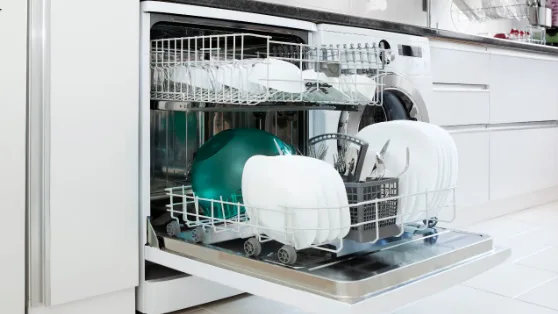
Buying a new Dishwashers can feel like a bigger job than it should be. There are so many brands. There are so many sizes. And every salesperson seems to have a different opinion. So, how do you actually choose one that fits your home and your life? Let’s break it down step by step.
Why Your Choice Matters More Than You Think
A dishwasher isn’t just a box that cleans plates. It’s a machine you’ll use almost every day for years. Therefore, picking the wrong one can lead to daily frustration. On the other hand, picking the right one can save you time, water, and money. That’s why it’s worth slowing down before you buy.
Think about your last dishwasher. Did it dry dishes well? Was it too loud? Did it fit all your pots and pans? These small details matter more than most people expect.
Start With Your Kitchen Space
Before you look at features, measure your space. This step is simple, but many people skip it. As a result, they end up with a unit that doesn’t fit or leaves an awkward gap.
Here are the basics to check first:
- Width of the opening under your counter
- Height from floor to counter
- Depth from the front edge to the back wall
- Space needed for the door to swing open fully
Once you know your measurements, you can move on to size and type.
Common Sizes and What They Mean
Most homes use a standard size. However, smaller kitchens or apartments often need something different. Here’s a quick look at the main options:
- Standard (24 inches wide): Fits most kitchens and holds a full family’s worth of dishes.
- Compact (18 inches wide): Great for small kitchens or light use.
- Drawer style: Two separate drawers that work on their own, useful for small households.
- Portable units: Roll up to your sink and connect with a hose, ideal for renters.
If you’re unsure which one fits your life, think about how many people live in your home and how often you cook.
Energy and Water Use
Modern machines use far less water than older models. Even so, not all models are equal. Some use nearly twice as much water as others. Because of this, it helps to check the energy label before you decide.
Look for ratings that show yearly water use and yearly energy cost. These numbers are often printed right on the display sticker. In addition, many regions offer rebates for high-efficiency models. So, it’s worth a quick search before you buy.
Noise Levels Deserve Attention Too
This part gets ignored often, yet it makes a real difference in daily life. If your kitchen is open to your living room, a loud dishwasher can disturb conversations or movie nights.
Noise is measured in decibels, and lower numbers mean quieter machines. A rating under 45 decibels is considered fairly quiet. Meanwhile, anything above 50 decibels can be noticeable, especially at night.
If you like a calm home, this single number might matter more than any other feature.
Features Worth Considering
Not every feature is necessary, but a few can make daily use much easier. Consider the following:
- Adjustable racks: Helpful for tall pots or wide platters.
- Third rack for cutlery: Frees up space and speeds up loading.
- Soil sensors: Adjust the cycle based on how dirty dishes are.
- Delay start: Lets you run the machine at night for lower electricity rates.
- Stainless steel interior: Tends to last longer and dry dishes better than plastic.
You don’t need every feature on this list. Instead, pick the ones that match how you actually cook and clean.
Budget: What You’re Really Paying For
Price ranges are wide, and that can be confusing. Cheaper models often skip extra features but still clean well. Pricier models usually add quiet motors, better drying, and smarter sensors.
Before you decide, ask yourself a simple question: what bothers you most about your current machine? If it’s noise, spend more on sound insulation. If it’s poor drying, look for models with a heated dry option. This way, your money goes toward the thing that actually matters to you.
Installation and Maintenance Tips
Once you’ve chosen your machine, installation is the next step. Many stores offer delivery and setup, which can save you a headache. However, if you plan to install it yourself, make sure your water line and electrical outlet are ready first.
After installation, a little care goes a long way. Clean the filter every few weeks. Wipe the door seal to stop mold from building up. Also, run a cleaning cycle once a month using a dishwasher-safe cleaner. These small habits keep your machine running well for years.
Common Mistakes to Avoid
Even careful buyers make mistakes. Here are a few to watch for:
- Skipping measurements and assuming “standard size” will fit
- Ignoring noise ratings, then regretting it later
- Choosing based on price alone, without checking reviews
- Overloading racks, which blocks water flow and lowers cleaning power
Avoiding these mistakes can save you both money and frustration down the road.
Final Thoughts
Choosing a dishwasher doesn’t have to be a confusing process. Once you understand size, water use, noise, and features, the decision becomes much easier. Take your time, measure your space, and think about your daily habits before you buy.
In the end, a good Dishwashers purchase comes down to knowing what matters most to you. Whether that’s quiet operation, low water use, or simply fitting your kitchen space, the right choice is out there. With a bit of planning, you’ll end up with a machine that makes your daily routine simpler, not harder.