The Rise of Digital Gift Cards and the Future of Online Shopping in the Middle East
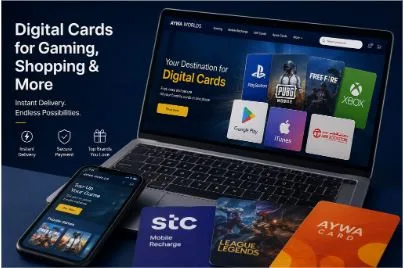
The digital economy in the Middle East has experienced remarkable growth over the past few years. More consumers are choosing online services for entertainment, gaming, shopping, and mobile communications. As a result, digital gift cards and prepaid vouchers have become an increasingly popular payment solution for millions of users. Unlike physical products, digital cards offer instant delivery, making them ideal for customers who need immediate access to gaming credits, mobile balance, or gift cards for popular retailers. This convenience has contributed to the rapid expansion of digital commerce across Saudi Arabia and other Gulf countries. Gaming is one of the strongest drivers behind this trend. Players frequently purchase digital credits, top-up cards, and vouchers for their favorite platforms without waiting for physical shipments. Likewise, mobile users rely on prepaid recharge cards to stay connected, while shoppers use digital gift cards for well-known retail brands. One example of this growing digital ecosystem is aywa worlds, a Saudi online store specializing in digital products. The platform offers a wide selection of digital cards, including game top-up cards, Aywa Cards, Saudi mobile recharge cards, and gift cards for popular retailers, all delivered digitally after purchase. As demand for digital services continues to increase, consumers are looking for reliable platforms that provide secure payments, instant delivery, and a broad range of products. Services such as digital game cards and gift cards have become an important part of everyday online shopping, helping users access entertainment, communication, and digital services quickly and conveniently. The future of digital commerce in the region appears promising. With continued growth in online gaming, e-commerce, and cashless payments, digital card marketplaces are expected to play an even greater role in supporting consumers who value speed, convenience, and secure online transactions.
The rapid proliferation of digital assets requires strict operational safeguards. Because digital vouchers are highly liquid and instantly redeemable, the backend technology powering distribution networks must maintain advanced cybersecurity standards. Authorized regional platforms mitigate the risks of unauthorized duplication and cyber fraud by implementing automated API pipelines that verify transactions in real-time, instantly transmitting unique alphanumeric codes via encrypted protocols directly to the consumer.
Furthermore, traditional retail giants have recognized this shift in consumer patterns and are actively integrating their legacy offerings into the digital gift card matrix. Prominent domestic brands, such as Jarir Bookstore—a staple for electronics and educational materials in Saudi Arabia—have successfully digitized their corporate gift certificates. By listing these digital assets alongside global media subscriptions like Netflix, Spotify, and iTunes, digital marketplaces offer consumers an effective budgeting tool. Parents, for instance, utilize these prepaid vouchers to regulate household digital expenditures without exposing primary credit card details to international online storefronts.
The intersection of youth culture and interactive entertainment has created an immense market for digital microtransactions. In Saudi Arabia, gaming has evolved from a casual pastime into a major economic sector, backed by significant national investments in esports infrastructure and global tournament hosting. Modern multiplayer titles and mobile gaming giants rely entirely on continuous in-game economic participation, such as purchasing seasonal passes, unique virtual assets, or character upgrades.
For international developers and publishers, localized digital voucher platforms serve as the essential bridge to the regional economy. By offering specialized cards for systems like PlayStation Network, Xbox Live, Steam, and mobile-specific currencies like PUBG Mobile UC or Roblox Robux, these platforms ensure seamless regional monetization. This prevents local players from encountering common electronic payment complications, such as international transaction fees or regional currency mismatches on global storefronts.
Beyond the entertainment sector, the prepaid card infrastructure supports essential public utilities, primarily telecommunications. The Kingdom’s telecom sector is highly competitive, features a blend of traditional networks like STC, Mobily, and Zain, alongside digital-first operators like Virgin Mobile and Lebara. Because a vast percentage of regional subscribers utilize prepaid models for mobile data and voice services, the process of account renewal has naturally migrated toward centralized digital hubs. This consolidation allows users to manage their lifestyle entertainment alongside their primary communication utilities through a singular, uniform dashboard.