How to Plan a High-Performing DOOH Advertising Campaign
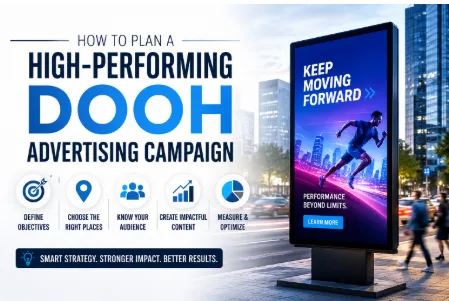
Digital Out-of-Home (DOOH) advertising has transformed the way brands engage audiences in public spaces. Unlike traditional billboards, DOOH campaigns can display dynamic content, adapt messaging based on time or location, and deliver highly targeted experiences. For marketers looking to maximize visibility while maintaining flexibility, understanding the fundamentals of DOOH advertising provides valuable context for planning campaigns that align with today’s digital marketing landscape.
However, running a successful DOOH campaign involves much more than choosing a screen and uploading a creative. Without a clear strategy, businesses often waste impressions, target the wrong audience, or fail to measure meaningful outcomes. A structured planning process ensures every advertising dollar contributes toward measurable business goals.
Whether you’re promoting a product launch, increasing local brand awareness, or supporting a multi-channel marketing campaign, the following framework will help you build a high-performing DOOH advertising campaign from planning through optimization.
Understanding What Makes DOOH Advertising Effective
DOOH advertising combines the visibility of outdoor media with the flexibility of digital technology. Instead of static messaging, advertisers can schedule different creatives throughout the day, update promotions instantly, and even trigger content based on environmental factors such as weather, traffic conditions, or live events.
This flexibility creates opportunities that traditional outdoor advertising simply cannot provide. For example, a coffee chain can promote breakfast deals during morning commutes, switch to lunch promotions at midday, and advertise specialty beverages during evening rush hour—all on the same digital display.
The true advantage lies in delivering the right message to the right audience at the right moment. When supported by audience data and thoughtful creative design, DOOH becomes a powerful awareness and engagement channel.
Step-by-Step Strategy for Planning a High-Performing Campaign
Define Clear Campaign Objectives
Every successful campaign starts with measurable goals. Before selecting locations or designing creatives, determine exactly what success looks like.
Your objectives may include:
- Increasing brand awareness
- Driving foot traffic to physical stores
- Supporting a product launch
- Promoting limited-time offers
- Generating website visits
- Reinforcing an existing digital campaign
Clearly defined objectives influence every decision throughout the campaign.
Understand Your Target Audience
Audience research should guide media selection instead of assumptions.
Consider questions such as:
- Who are your ideal customers?
- Where do they travel daily?
- What times are they most active?
- What problems are they trying to solve?
- Which message will resonate with them?
For example, a fitness brand targeting office workers may achieve stronger results by advertising near business districts during morning and evening commute hours rather than shopping malls.
Select Strategic Locations
Location often determines campaign performance more than creative quality.
Evaluate locations based on:
- Daily traffic volume
- Audience demographics
- Visibility
- Viewing duration
- Nearby businesses
- Competition
A premium location that reaches your intended audience consistently will usually outperform multiple low-quality placements.
Build Simple, Memorable Creative
DOOH advertisements typically receive only a few seconds of attention.
Effective creative usually includes:
- One primary message
- Large readable typography
- High contrast colors
- Minimal text
- Strong visual hierarchy
- Clear branding
- One call to action
Avoid cluttering the screen with excessive information. If viewers cannot understand your message within a few seconds, the opportunity is often lost.
Schedule Content Intelligently
Unlike traditional outdoor media, DOOH allows advertisers to schedule creatives throughout the day.
Examples include:
- Breakfast promotions in the morning
- Retail offers during lunch
- Entertainment advertising after work
- Restaurant promotions before dinner
- Weekend event messaging
Scheduling relevant content increases engagement while improving overall campaign efficiency.
Integrate DOOH With Your Digital Marketing Strategy
The strongest campaigns rarely rely on one marketing channel.
DOOH becomes significantly more effective when integrated with social media, paid search, email marketing, local SEO, and content marketing. A customer may first notice your advertisement on a digital billboard before later searching for your business online.
To ensure your website is ready for increased traffic, regularly auditing its technical SEO, usability, and performance is essential. Tools like AudEsto help marketers identify optimization opportunities through white label SEO audits and downloadable reports, making it easier to support campaigns with a website that delivers a strong user experience.
This coordinated approach creates multiple customer touchpoints that reinforce brand recognition and improve conversion opportunities.
Common Mistakes That Reduce Campaign Performance
Even experienced marketers can overlook important details when planning DOOH campaigns.
One common mistake is focusing exclusively on high-traffic locations without considering audience relevance. Large audiences do not automatically translate into qualified customers.
Another frequent issue is overcrowded creativity. Attempting to communicate multiple offers, long headlines, or excessive branding often reduces message clarity.
Poor scheduling also limits effectiveness. Running the same advertisement around the clock ignores changing audience behavior throughout the day.
Many advertisers additionally neglect campaign measurement. Without monitoring performance indicators, it becomes difficult to understand which locations, creatives, or schedules generated the best results.
Finally, failing to align DOOH with broader marketing efforts often weakens campaign impact. Customers benefit from consistent messaging across all channels.
Practical Tips From Industry Experience
Successful DOOH campaigns often share several practical characteristics.
Start with a limited number of high-quality locations before expanding. Testing allows marketers to compare performance while minimizing unnecessary spending.
Create multiple creative variations rather than relying on a single advertisement. Even minor adjustments to headlines, visuals, or calls to action can reveal valuable performance insights.
Refresh creative regularly during longer campaigns. Repeated exposure to identical messaging may reduce audience attention over time.
Use seasonal opportunities whenever appropriate. Holiday promotions, local festivals, sporting events, and weather-triggered messaging can significantly improve relevance.
Coordinate campaign timing with product availability. Advertising products that customers cannot easily purchase creates unnecessary frustration.
Monitor campaign performance continuously instead of waiting until completion. Ongoing optimization allows adjustments that improve results before the campaign ends.
Finally, remember that simplicity usually wins. The most effective DOOH advertisements communicate one clear message that viewers instantly understand.
Conclusion
Planning a high-performing DOOH advertising campaign requires much more than purchasing digital screen space. Success comes from defining clear objectives, understanding audience behavior, selecting strategic locations, developing concise creative, scheduling relevant messaging, and continuously measuring results.
When combined with a strong digital presence and consistent cross-channel marketing, DOOH becomes an effective tool for increasing brand visibility and influencing purchasing decisions. Businesses that approach campaign planning strategically are better positioned to maximize both audience engagement and return on investment while building long-term brand recognition.