Is a Compact Juicer the Secret to Nutrient-Rich Juicing?
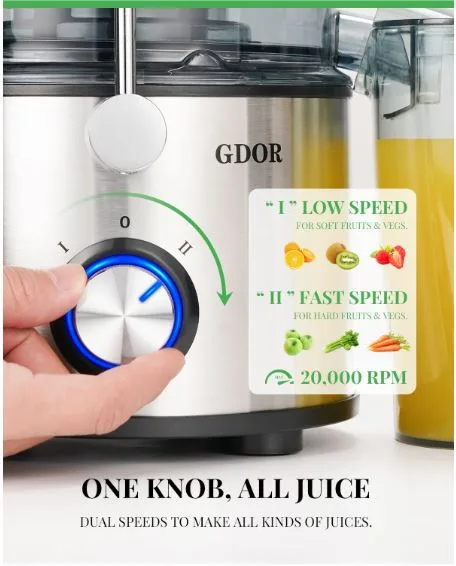
Fresh juice offers remarkable health benefits, from boosting immunity to delivering concentrated nutrients in every sip. Yet many health-conscious individuals face a common obstacle: limited kitchen space. Bulky juicers consume valuable countertop real estate, making them impractical for apartments, small homes, or anyone seeking a streamlined kitchen setup. Enter the compact juicer—a space-saving solution designed to fit seamlessly into modern lifestyles without compromising nutritional value. But can these smaller machines truly deliver nutrient-rich juice as effectively as their larger counterparts? This article explores whether compact juicers are worth the investment, examining their technology, essential features, and practical usage. We’ll guide you through selecting the right model, maximizing nutrient retention, and maintaining your juicer for long-term performance. Whether you’re a busy professional or health-focused enthusiast, discover how a compact juicer might become your secret weapon for consistent, nutrient-packed nutrition.
What is a Compact Juicer and Why It Matters for Health Enthusiasts
A compact juicer represents a modern evolution in kitchen appliances, designed specifically for health-conscious consumers who refuse to compromise on nutrition due to space constraints. Unlike traditional bulky juicers that demand substantial counter or cabinet space, compact models deliver the same nutrient extraction capability in a footprint that fits seamlessly into contemporary kitchens. These machines are engineered to extract maximum juice from fruits and vegetables while occupying minimal real estate, making them ideal for apartments, dorm rooms, RVs, or anyone pursuing a minimalist lifestyle. The portability advantage extends beyond mere storage—compact juicers can be easily transported, allowing you to maintain your juicing routine whether you’re at home, traveling, or staying temporarily elsewhere. For health enthusiasts juggling busy schedules, this accessibility transforms fresh juice from an occasional luxury into a sustainable daily habit. Compact juicers bridge the gap between convenience and nutrition, eliminating the excuse that limited space prevents you from accessing fresh-pressed juice benefits. Unlike centrifugal juicers that sacrifice nutrient quality for speed, many compact models incorporate advanced slow-squeeze or masticating technologies that preserve enzymes, vitamins, and minerals. This means you’re not simply choosing a smaller juicer—you’re selecting a thoughtfully designed solution that prioritizes both your health goals and practical living requirements.
The Technology Behind Nutrient-Rich Juice: Masticating vs. Cold-Press Juicers
Understanding the technology powering your juicer is fundamental to achieving nutrient-rich results. Masticating juicers operate using a slow, grinding motion that crushes produce against a screen, extracting juice while preserving heat-sensitive vitamins and enzymes. This low-speed mechanism, typically operating between 40-100 RPM, minimizes oxidation and friction heat that degrades nutritional content. Cold-press juicers take this concept further by employing hydraulic pressure to extract juice without any heat generation or high-speed spinning, resulting in exceptionally pure juice with maximum nutrient density. The key difference lies in speed: traditional centrifugal juicers spin at 3,000+ RPM, generating friction heat that destroys delicate nutrients and creates oxidation, while masticating and cold-press models prioritize slow extraction for superior nutritional preservation. Masticating juicers typically yield higher juice output from the same produce volume compared to cold-press systems, making them more practical for daily use. Cold-press juicers excel at nutrient retention but require longer processing times and produce slightly less juice. Both technologies significantly outperform centrifugal alternatives in enzyme preservation, with studies showing masticating juicers retain up to 80% more nutrients than high-speed counterparts.
How Compact Juicers Leverage These Technologies
Compact juicers successfully incorporate masticating and cold-press technologies into space-efficient designs through innovative engineering. Many compact models feature single-auger masticating systems that deliver professional-grade nutrient extraction in a footprint half the size of traditional juicers. Manufacturers achieve this by optimizing motor efficiency and streamlining internal mechanisms without sacrificing performance. Some compact cold-press juicers utilize vertical designs that minimize countertop space while maintaining the hydraulic pressure necessary for optimal juice quality. The trade-off involves slightly longer processing times and reduced juice yield per batch, yet the nutrient preservation remains exceptional. Modern compact juicers incorporate advanced filtration systems and precision-engineered screws that maintain consistent pressure throughout the extraction process, ensuring nutrient-rich juice comparable to larger counterparts. These innovations demonstrate that space constraints no longer require compromising on the technology that matters most for health-conscious juicing.
Key Features to Look for When Choosing a Compact Juicer
Selecting the right compact juicer requires understanding which features directly impact your juicing success and daily usability. Motor power stands as a critical consideration—look for models with sufficient wattage to handle both soft fruits and harder vegetables like carrots and beets without straining. The feed chute size matters significantly for convenience; larger openings reduce prep time by accommodating whole produce, while smaller chutes demand more cutting beforehand. Juice yield efficiency determines whether you’ll spend excessive time processing produce to fill a single glass, so prioritize juicers engineered for maximum extraction from minimal input. Material safety deserves attention, particularly for components contacting your juice—BPA-free plastics and food-grade stainless steel ensure your nutrients aren’t compromised by harmful chemicals. An easy-to-clean juicer transforms the difference between daily use and occasional juicing; complex designs with numerous crevices encourage bacterial growth and discourage consistent maintenance. Consider models with dishwasher-safe components and straightforward disassembly that doesn’t require tools or specialized knowledge. Noise level often gets overlooked but matters considerably for apartment dwellers or early morning juicing routines. Weight and grip design impact portability, especially if you plan to store your juicer in cabinets or transport it regularly. When evaluating options, create a checklist prioritizing your specific needs: if space is paramount, focus on footprint dimensions; if nutrient preservation drives your decision, emphasize low-speed operation; if convenience matters most, prioritize ease of cleaning and minimal prep requirements.
Prioritizing Nutrient Preservation and User-Friendliness
The most nutrient-rich juicer combines advanced preservation technology with practical usability features that encourage consistent daily use. Low-speed operation, typically under 100 RPM, stands as the primary nutrient preservation factor—this slow extraction minimizes oxidation and heat generation that destroy enzymes and vitamins. Minimal vibration during operation indicates efficient engineering that reduces friction heat, further protecting delicate nutrients. Seek juicers with sealed systems that limit air exposure during extraction, preventing oxidative degradation before juice reaches your glass. User-friendliness directly supports nutrient goals because juicers you actually use deliver more health benefits than neglected appliances. Assembly and disassembly should require no more than five minutes without specialized tools; this accessibility ensures you’ll clean your juicer immediately after use, preventing nutrient degradation and bacterial growth. Storage capability matters equally—compact juicers that fit standard cabinet shelves encourage regular use rather than becoming forgotten countertop clutter. Intuitive controls and clear instruction guides reduce frustration, particularly for beginners transitioning from commercial juices to fresh-pressed varieties. Models featuring automatic pulp ejection simplify the process, allowing you to juice continuously without stopping to empty waste. When user-friendliness aligns with nutrient preservation technology, you create an environment where healthy juicing becomes effortless rather than burdensome. Just as quality coffee equipment like SHARDOR’s precision grinders ensures optimal extraction of coffee’s beneficial compounds, a well-designed compact juicer maximizes the nutritional value of every produce item you process.
A Step-by-Step Guide to Using Your Compact Juicer for Optimal Nutrition
Mastering your compact juicer transforms it from a kitchen gadget into a reliable nutrition delivery system. Begin by selecting produce at peak ripeness, as fully mature fruits and vegetables contain maximum nutrient concentration. Wash all produce thoroughly under running water, removing dirt and pesticide residues that compromise juice purity. Cut harder vegetables like carrots, beets, and ginger into pieces sized for your juicer’s feed chute—this prevents motor strain and ensures consistent extraction. For leafy greens, bundle them loosely rather than packing tightly, allowing the juicer’s mechanism to process them efficiently without clogging. Feed produce slowly and steadily into the juicer, avoiding the temptation to rush; this controlled pace allows the auger or pressing mechanism to extract maximum juice while preserving heat-sensitive nutrients. Drink your fresh juice immediately after extraction, as oxidation begins degrading enzymes and vitamins within minutes of exposure to air. If immediate consumption isn’t possible, store juice in airtight glass containers in your refrigerator, consuming within 24 hours for optimal nutritional benefit. Incorporate fresh juice strategically into your diet by consuming it alongside whole foods containing fiber and protein, which slow absorption and stabilize blood sugar levels. For beginners, start with simple combinations like apple-carrot-ginger to build confidence before experimenting with complex green juice blends. Keep a juicing journal tracking which combinations energize you most, helping you identify personal nutritional preferences and establish sustainable habits that support your long-term health goals.
Simple Recipes to Boost Your Health with Compact Juicing
Create nutrient powerhouses with these straightforward compact juicer recipes designed for daily wellness. The Green Vitality blend combines two handfuls of spinach, two celery stalks, one cucumber, half a green apple, and fresh lemon juice—this combination delivers chlorophyll, potassium, and vitamin C while remaining mild-flavored for juice beginners. The Immunity Booster recipe uses four carrots, one orange, one ginger slice, and a quarter turmeric root, providing beta-carotene and anti-inflammatory compounds that support immune function. For energy without caffeine, try the Beet Energy blend mixing two beets, three carrots, one apple, and a small piece of ginger, which delivers natural sugars, iron, and circulation-boosting nitrates. The Digestive Aid recipe combines one fennel bulb, three celery stalks, one apple, and fresh ginger, soothing digestive inflammation while promoting healthy gut function. The Detox Green combines one cup kale, one cucumber, two celery stalks, half green apple, and half lemon, providing liver-supporting compounds and hydration. Rotate these recipes throughout your week, ensuring diverse nutrient intake across different phytonutrient families. Each recipe yields approximately 8-12 ounces of juice, making them practical for single servings or splitting between two people, and all ingredients are readily available at standard grocery stores year-round.
Maintenance and Cleaning: Ensuring Your Compact Juicer Stays Efficient
Proper maintenance transforms your compact juicer into a long-lasting appliance that consistently delivers nutrient-rich juice. Clean your juicer immediately after use, as dried pulp and juice residue become increasingly difficult to remove and harbor bacterial growth that compromises both hygiene and performance. Disassemble all removable components, typically the feed chute, auger, strainer basket, and collection chamber, separating them carefully without forcing parts that may damage seals or mechanisms. Rinse each component under warm running water, using a soft brush to gently remove pulp from mesh screens and crevices where bacteria accumulates. For stubborn residue, soak components in warm water with a small amount of dish soap for 15-20 minutes before scrubbing, avoiding abrasive sponges that scratch food-contact surfaces. Pay particular attention to the auger or pressing mechanism, as juice can accumulate in grooves and crevices; a soft-bristled toothbrush effectively cleans these detailed areas without causing damage. Dry all components thoroughly with a clean cloth before reassembling, preventing moisture accumulation that encourages mold growth and unpleasant odors. Store your compact juicer in a clean, dry location away from direct sunlight, which can degrade plastic components over time. Periodically inspect seals and gaskets for cracks or degradation, replacing them if necessary to maintain optimal performance. This straightforward maintenance routine ensures your compact juicer remains efficient, hygienic, and ready to support your daily nutrition goals for years to come.
Making Your Compact Juicer Investment Pay Off
Compact juicers emerge as genuinely effective solutions for nutrient-rich juicing when selected thoughtfully and operated with intention. Throughout this guide, we’ve established that size doesn’t determine nutritional quality—technology and user commitment do. By choosing models featuring masticating or cold-press mechanisms, you ensure maximum enzyme and vitamin preservation regardless of countertop footprint. The real advantage of compact juicers lies in their ability to remove barriers that prevent consistent juicing habits. When your appliance fits seamlessly into your kitchen and lifestyle, fresh juice transitions from occasional indulgence to sustainable daily practice. Remember that selecting the right juicer involves matching features to your specific priorities: if nutrient preservation drives your decision, prioritize low-speed operation; if convenience matters most, emphasize easy cleaning and minimal prep requirements; if portability appeals to you, consider weight and storage capacity. Your investment in a quality compact juicer pays dividends through improved energy, enhanced immunity, and concentrated micronutrient intake that supports long-term wellness. Armed with knowledge about technology, selection criteria, proper usage techniques, and maintenance routines, you’re equipped to transform fresh juice from an aspirational health goal into an accessible daily reality. Take the insights from this guide, assess your unique needs and kitchen constraints, and confidently select a compact juicer that aligns with your health objectives. Your journey toward consistent, nutrient-packed nutrition begins with one deliberate choice—choosing the compact juicer that fits your life and fuels your wellness goals.