How to Provide Easy Access Litter Boxes for Multiple Elderly Cats
There’s something deeply special about sharing your home with a cat who has grown old alongside you. Those slow blinks, the gentle purring, the quiet companionship — elderly cats bring a kind of warmth that’s hard to put into words. But as cats age, everyday tasks that once came naturally can become surprisingly difficult. Jumping, crouching, and climbing all take a toll on aging joints, and something as fundamental as using the litter box can quickly turn into a painful ordeal.
For households with multiple senior cats, this challenge multiplies. Arthritis affects a significant portion of cats over ten years old, reducing their mobility and making standard litter boxes genuinely inaccessible. High sidewalls, cramped interiors, and slippery surfaces can discourage use altogether — leading to accidents, stress, and a decline in overall wellbeing for both cats and their owners.
The good news is that thoughtful solutions exist. Specialized litter boxes designed with easy access, comfortable interiors, and senior-friendly features can dramatically improve daily life for aging cats. This article walks you through understanding your elderly cats’ needs, identifying the right design features, managing a multiple cat litter box setup, and maintaining long-term comfort — so your senior companions can age with dignity and ease.
Understanding the Needs of Elderly Cats for a Comfortable Litter Box
Cats are remarkably good at hiding discomfort, which makes age-related changes easy to miss until they become serious. Once a cat reaches around ten years old, the likelihood of developing arthritis climbs sharply — studies suggest that over 90% of cats over twelve show some degree of degenerative joint disease on X-ray. This isn’t just stiffness after a nap. Arthritis in cats means chronic inflammation in the joints, making movements like squatting, stepping over barriers, and turning around genuinely painful.
Beyond arthritis, elderly cats often experience reduced muscle mass, weakened hind legs, and declining coordination. Cognitive dysfunction — the feline equivalent of dementia — can also affect older cats, causing confusion about where the litter box is or how to use it. Kidney disease, common in senior cats, increases the urgency and frequency of urination, meaning they need faster, easier access to their box than ever before.
Standard litter boxes simply weren’t designed with these realities in mind. A box with eight-inch sidewalls might be trivial for a young, agile cat but genuinely impassable for a senior with stiff hips. Cramped interiors force painful postures, while slippery plastic floors offer no stability for cats with weakened legs. The result is often litter box avoidance — cats eliminating elsewhere not out of defiance, but out of necessity. Recognizing these physical limitations is the first step toward creating a setup that genuinely supports a comfortable and dignified daily routine for aging cats.
Key Features of an Easy Access Cat Litter Box for Elderly Cats
Easy Access Design Elements
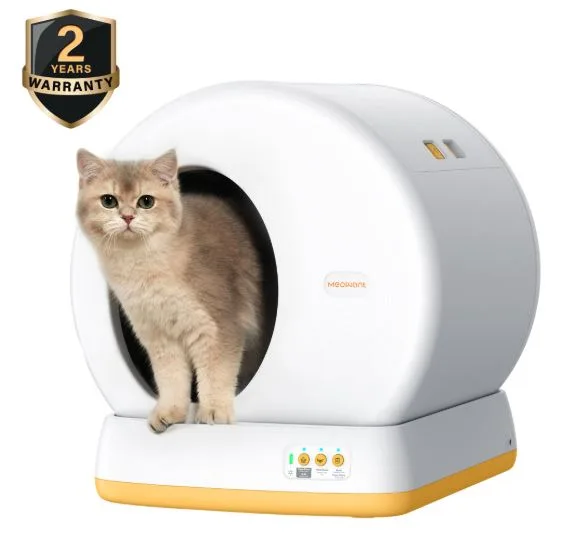
The single most important feature in a cat litter box for elderly cats is a low entry point. Standard boxes often have walls six to eight inches high — a manageable step for younger cats but a genuine barrier for a senior with arthritic hips or weakened hind legs. Look for boxes with an entry cutout of two to three inches, which allows cats to walk in rather than step over. Some designs incorporate a gradual ramp or shallow steps leading to the entrance, which distributes the effort across multiple smaller movements rather than one painful lunge. Brands like Meowant have developed litter boxes specifically with senior cats in mind, featuring wide, low-threshold entryways that let elderly cats walk in with minimal effort. Wide openings matter too — a broad entryway lets elderly cats enter and exit without twisting or contorting their bodies, reducing strain on stiff joints during every bathroom visit.
Comfortable Design for Enhanced Usability
Once inside, the interior environment shapes whether a cat will use the box consistently or begin avoiding it. A spacious interior is non-negotiable for senior cats, as it allows them to turn around slowly, find a comfortable squat position, and reorient without bumping into walls. Cramped quarters force unnatural postures that can be painful for cats with joint disease. Non-slip flooring is equally critical — smooth plastic offers no grip for cats with reduced muscle strength, and slipping even once can make a cat reluctant to return. Textured bases or removable non-slip mats inside the box solve this directly. Some boxes also feature slightly curved or ergonomic side walls that support a cat’s body during squatting, which is a small design detail that makes a meaningful difference for cats managing chronic discomfort. Together, these features give owners genuine peace of mind that their senior cats can use the box safely and independently.
Why Multiple Cat Litter Boxes are Essential for Households with Elderly Cats
The standard rule of thumb — one litter box per cat, plus one extra — becomes even more critical when those cats are elderly. Senior cats with arthritis, kidney disease, or cognitive decline simply cannot afford to wait or travel far when the urge strikes. Having multiple cat litter boxes distributed throughout the home means a bathroom option is always within comfortable reach, regardless of where a cat happens to be resting at any given moment.
Competition is another real concern in multi-cat households. Even cats that have coexisted peacefully for years can develop subtle tensions around shared resources as they age. A younger or more dominant cat occupying the single available box can leave an arthritic senior standing in discomfort, unable to wait. Multiple boxes eliminate this bottleneck entirely, allowing each cat to use a box immediately without navigating social dynamics on top of physical limitations.
Hygiene plays an equally important role. Senior cats are often more sensitive to a soiled box than younger cats — an unclean litter box can be enough to discourage use altogether, particularly for cats already managing discomfort. With multiple boxes in rotation, each individual box stays cleaner for longer between scoopings, reducing the likelihood that any cat will avoid the box due to odor or mess. Distributing boxes across different floors or rooms also ensures that a cat dealing with sudden urinary urgency — common with kidney disease — can always reach a clean, accessible option in time. This setup protects both your cats’ physical wellbeing and your home’s cleanliness simultaneously.
Step-by-Step Guide to Setting Up Easy Access Litter Boxes for Multiple Elderly Cats
Step 1: Assess Your Home and Cat’s Mobility
Before purchasing a single box, spend a few days observing each cat individually. Watch how they move between rooms, whether they hesitate at stairs, and how long it takes them to settle into a squat position. Note which areas of the home they frequent most — a senior cat who spends most of her day on the ground floor shouldn’t have to climb stairs to reach a litter box. Map out your home’s layout and identify natural resting zones, then mark these as priority locations for box placement. If one cat has more advanced arthritis than another, their mobility limitations should anchor your planning rather than the average across the group.
Step 2: Choose the Right Litter Boxes and Locations
Armed with your observations, select boxes that match each cat’s specific limitations. Prioritize low entry cutouts, non-slip interiors, and generous interior dimensions. Place boxes in quiet, low-traffic corners where cats won’t feel exposed or interrupted mid-use — stress compounds physical difficulty, so a calm environment matters. Avoid locations near loud appliances, feeding stations, or heavily used doorways. For a two-story home with multiple senior cats, place at least one box on each floor. Corner placement works well because it gives cats a sense of security while keeping the box accessible from multiple angles. Keep one box per cat plus one additional as a baseline, adjusting upward if competition or avoidance becomes apparent.
Step 3: Implement and Introduce the New Setup
Transition gradually rather than replacing all boxes overnight. Introduce new easy-access boxes alongside existing ones, allowing cats to explore them at their own pace. Place a small amount of used litter from the old box into each new one — familiar scent signals safety and encourages first use. Monitor each cat daily during the first two weeks, watching for signs of successful adoption like consistent use or relaxed body language near the box. If a particular cat avoids a new box, reposition it slightly or try a different litter type. Patience here pays off: forcing the change too quickly can create aversion that takes weeks to undo.
Maintenance and Long-Term Comfort Tips for Elderly Cats
Consistency in cleaning is the foundation of a successful multi-box setup for senior cats. Scoop each box at least once daily — twice if any cat has kidney disease and urinates frequently. A predictable cleaning schedule prevents odor buildup that might deter sensitive older cats from using the box at all. Every one to two weeks, empty the box completely, wash it with unscented soap, and refill with fresh litter. Avoid strong chemical cleaners, as the residual scent can be off-putting to cats with heightened sensory sensitivity.
Beyond the boxes themselves, small comfort enhancements nearby make a meaningful difference. Place a low-sided orthopedic mat or soft rug directly outside each box entrance — this gives arthritic cats a comfortable surface to land on after exiting and provides additional grip for unsteady legs. If a box is positioned in a cooler area of the home, a nearby heated pad encourages lingering without discomfort after use.
Schedule regular veterinary check-ins every six months for senior cats rather than annually. As mobility changes, your current setup may need adjustment — a box that worked well six months ago might require repositioning or replacement as a cat’s arthritis progresses. Track any changes in litter box habits, including increased frequency, hesitation at the entrance, or accidents nearby, and report these to your vet promptly. These behavioral shifts are often early indicators of underlying health changes that benefit from early intervention.
Small Changes, Lasting Comfort for Senior Cats
Caring for multiple elderly cats means looking beyond the obvious comforts — food, warmth, gentle handling — and paying close attention to the everyday routines that quietly shape their wellbeing. The litter box, easy to overlook, sits at the center of that daily experience. When it becomes a source of pain or anxiety, everything suffers: your cats’ health, their confidence, and the peace of your shared home.
By understanding the physical realities aging cats face, choosing boxes designed with genuine accessibility in mind, and distributing them thoughtfully throughout your space, you create an environment where senior cats can meet their basic needs independently and comfortably. A gradual introduction, consistent cleaning, and regular veterinary check-ins keep that setup working as your cats continue to age and change.
None of this requires perfection — it requires attention. Small, deliberate adjustments to your cats’ environment can translate into meaningful improvements in their daily comfort and dignity. Your senior cats have given you years of quiet companionship; a well-designed litter box setup is one of the most practical ways to give something lasting back. Start with one change today, and build from there.