Is a Used Refrigerator Worth It for a Short Stay in a City?
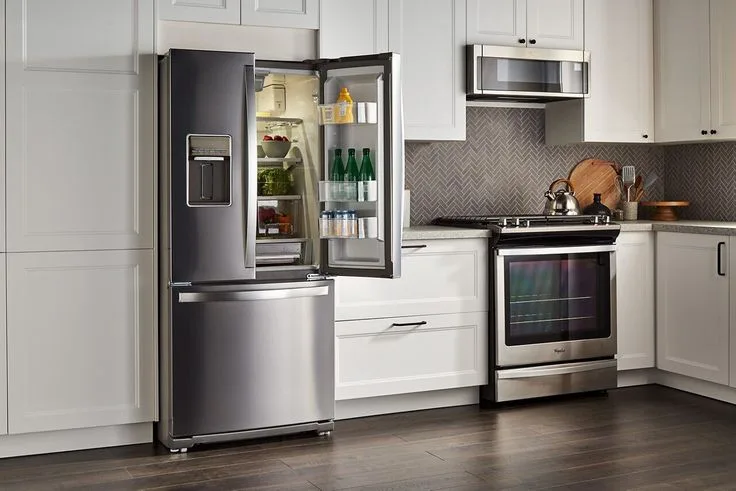
Moving to a new city but unsure of the duration? A refrigerator is usually one of the first appliances you need after moving. Whether you have moved to Bangalore, Hyderabad, Delhi, or Mumbai, a refrigerator is a basic necessity. Some wonder whether buying a new or second-hand refrigerator is worth it; however, the duration of stay matters. The problem starts with when the lease ends – most rental agreements end after 11 months. When moving out, they often sell the fridge.
Instead of buying a fridge, you can consider a refrigerator for rent. Buying a new, second-hand, or rented fridge suits a different situation. Some might think a used fridge would save them money; the result might be completely different. So, here are a few things you need to know before deciding whether a fridge is good for a short-term or long-term stay.
Is It Worth Buying a New Fridge for Short-Term?
New refrigerators suit people who are staying in the same place for several years. If they plan to take the same appliance to every future home, it is a good idea. If you’re staying for one or two years, you can recover part of the upfront cost.
In most metro cities, the rented apartments have 11-month leases. Many tenants avoid the rent hike after 11 months by moving to another apartment. The fridge is built to last several years, but moving the appliance from one place to another is a logistical challenge. In a way, the refrigerator outlives the address. As the lease ends, you can move or store it – each option costs time or money.
Should You Buy a Second-Hand Refrigerator for a Short Stay?
Buying a used fridge is a safe choice when you can inspect the appliance in person. If you can check whether the refrigerator cools well, you can take a chance. The main risks are worn-out compressors, slow gas leaks, and tired door seals. These issues don’t show up in listing photos, so you should check.
A second-hand refrigerator is definitely a popular choice for a short stay, and it costs a fraction of buying a new one. The low price comes with a few caveats: transport cost, gas refills, and warranty status. It is difficult to check how long the refrigerator has been used.
| Deciding factor | Buying second-hand works if… | Think twice if… |
| Length of stay | The stay is a year or longer, so the savings have time to build | The stay is only a few months, or the end date is uncertain |
| Budget | The upfront cost has to stay as low as possible | A repair or gas refill would strain the budget |
| Inspection | The fridge can be seen running and checked in person (cooling, compressor sound, door seals) | The only option is a listing with photos, or a seller who cannot demonstrate it |
| Condition and warranty | A repair or gas refill is acceptable as a possible extra cost | A fridge with a known history and a valid warranty is needed |
| Moving plans | The next home is in the same city, so transport is short and simple | The next home is in another city, where a truck and a sideways trip risk damage |
| Exit | There is time to find a buyer and sell at a lower price | The fridge has to be gone by a fixed date, with no time to haggle |
| Household size | The current size is unlikely to change | A flatmate or family member may join, and a different size could be needed |
How to Check the Quality of a Second-Hand Fridge?
Check the fridge only when it is plugged in and running. You cannot verify the condition by looking at photos. Cooling, compressor noise, and door seals reveal the problems you might otherwise overlook.
- Check the freezer and see if it is actually cold. A lukewarm fridge may indicate it’s running low on gas
- If the fridge makes a steady humming noise, you need to listen to the compressor. If you hear knocking or loud clicking, the fridge may be switching on and off.
- See if you can close the door properly – if it slides out easily, the door seal is letting cold air out.
- Do you see rust on the coils? Or oily patches near the compressor? This could indicate a refrigerant leak.
- The serial number of the refrigerator will tell you the age of the used fridge.
Renting vs. Buying a Fridge for a Short Stay?
If you are likely to stay for a few months or your next move is uncertain, a fridge for rent is often a better fit than buying. Renting removes the high upfront cost and spreads it across months or years. The resale and moving problems are solved at the end of the lease. Buying a fridge suits permanent residents.
| Factor | New fridge | Second-hand fridge | Rented fridge |
| Upfront cost | Full purchase price | Lower purchase price | Monthly rent plus refundable deposit |
| Condition at the start | Known, under warranty | Hard to verify | Checked by the provider |
| Repairs during the stay | Covered while warranty lasts | Paid by the owner | Maintenance handled by the provider |
| At the end of the lease | Sell, move or store | Sell, move or store | Return it |
Rental platforms allow you to rent a fridge for a few months. Some platforms have a minimum tenure, but you can return the fridge early. Rental service providers charge a pre-closure fee and take back the product when you request a return.
Final Thoughts
Buying a new fridge is worth it when you will stay in the same place for a few years. Used refrigerators suit people on a tight budget. If you sell the fridge, you might sell at a loss. Renting a fridge adds a low monthly charge instead of a high upfront cost. Check the photos of the rental and used fridges before placing the order. The only difference is that a used fridge on the marketplace needs a physical check; after the purchase, the responsibility falls on the owner. Rental fridges are refurbished and quality-checked, which avoids selling at a loss.