Katana Buying Guide: What to Know Before Choosing a Japanese Sword
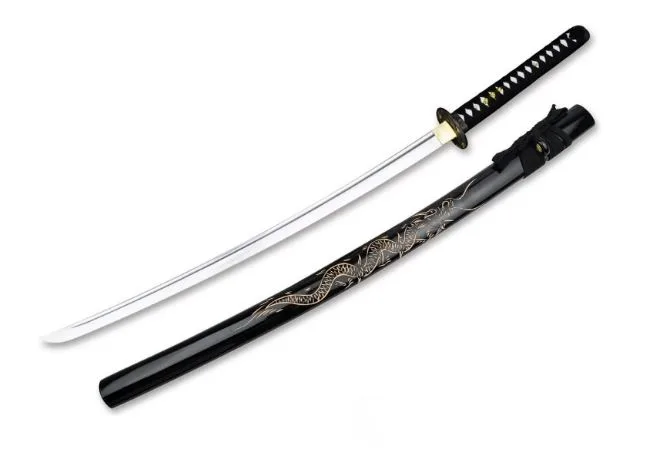
Buying a katana can be exciting, but the number of blade steels, fittings, sizes, and styles available can also make choosing one confusing. Whether you are interested in Japanese culture, building a sword collection, or simply looking for an impressive display piece, understanding a few basic features can help you make a more informed choice.
Start With Your Purpose
Before comparing different swords, think about what you want from a katana. Collectors may care most about craftsmanship, blade appearance, and traditional-style fittings. Someone purchasing a sword for display might focus more on colors, themes, and how well the sword complements a room or existing collection.
Purpose matters because two katana that look similar can have very different specifications.
Understand Blade Steel
Modern katana are available in several types of steel. Common choices include 1045, 1060, 1095, T10, folded steel, and spring steel.
Higher carbon content is only one part of the equation. Heat treatment and overall construction also influence the characteristics of a blade. For this reason, buyers should avoid judging a sword solely by a steel number.
Some katana are clay tempered, producing a visible hamon along the blade. Others use different heat-treatment methods designed to achieve particular characteristics.
Pay Attention to the Fittings
A katana is more than its blade. Look closely at the tsuka, tsuba, habaki, and saya.
These components affect both appearance and overall character. A simple iron tsuba and black saya can create a traditional, understated appearance, while dragon motifs, colored scabbards, or elaborate metal fittings can make a sword much more decorative.
Specialist retailers such as www.truekatana.com offer a broad range of Japanese-style swords, making it easier to compare different blade materials, fittings, colors, and designs in one place.
Check the Specifications
Always review the product specifications before purchasing. Blade length, overall length, weight, construction, steel type, and included accessories can differ between models.
If you are purchasing a sword for martial arts practice, consult a qualified instructor about what type of training sword is appropriate. A sharp sword should never be treated as a substitute for a purpose-built beginner training tool.
Finally, check the laws where you live. Regulations covering sword ownership, transportation, public carrying, and use vary between countries, states, and municipalities.
Choosing a katana becomes much easier once you understand what matters to you. Instead of simply searching for the most expensive blade, focus on craftsmanship, specifications, design, and suitability for your intended purpose.