Lithium ion solar battery is it worth the investment today
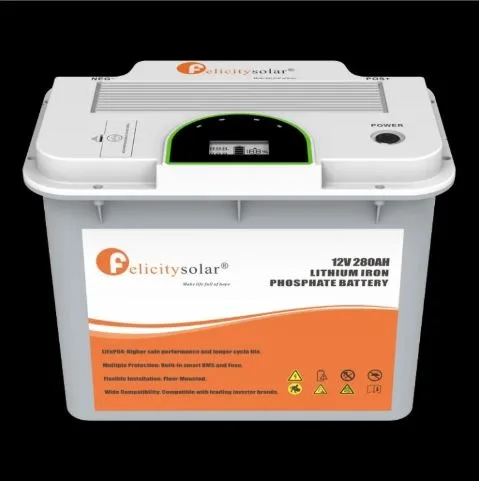
When solar storage stops being optional and starts becoming a decision for most homeowners, solar used to be a straightforward calculation: install panels, cut the bill, and move on. That equation has changed. Now the conversation almost always includes storage, and the lithium-ion solar battery sits at the center of it.
The real question isn’t whether the technology works; it clearly does, but whether it actually makes financial and practical sense today. And the honest answer is a bit more layered than most sales brochures suggest.
From a practical standpoint, I’ve seen systems with and without batteries perform very differently under the same roof conditions. The difference shows up not just in backup power during outages, but in how much solar energy actually gets used instead of sent back to the grid at low credit rates.
The real value behind a lithium-ion solar battery
At its core, a lithium-ion solar battery lets homeowners stash extra daylight solar output for later use , kind of like saving leftovers, not that fancy. Seems straightforward, but the real part is in the implications, that’s where it gets more interesting, you know.
In many U.S. states, net metering policies have shifted or reduced export credits. That means the energy you send to the grid is often worth less than the energy you consume directly. In that environment, self-consumption becomes more valuable than export, and storage starts to change the economics of solar.
What many professionals often observe is that households with time-of-use electricity pricing see the most noticeable benefit. Charging the battery when solar production is high and discharging during peak-rate hours can meaningfully reduce monthly bills, sometimes more than people expect.
But it’s not universal. In places with generous net metering, the money case gets a bit more gentle, and the battery kind of slides toward being more of a resilience-and-ease thing than a strict ROI driven upgrade.
Where lithium-ion technology actually stands today
The reason lithium-ion has become the standard in residential solar isn’t hype it’s maturity. These systems bring pretty high energy density, decent strong cycle life, and a maintenance load that stays relatively light vs the older chemistries, you know.
When used in the real world modern lithium-ion solar battery systems typically give you around 80–90% usable capacity, that’s a noticeable improvement, from legacy lead-acid setups. That efficiency matters when every kilowatt-hour has a cost attached to it.
One more underrated upside is how fast the response comes in. When a home’s energy needs suddenly jump, like the HVAC kicking on, or an EV charger getting active, lithium-ion setups react almost right away. It’s a steady power stream kind of seamless, and most homeowners don’t really notice it day to day. Still, that steadiness helps prevent flicker, reduces reliance on the grid and it also keeps extra strain from building up in the system over time.
Still, it’s not perfect technology. High upfront cost remains the biggest barrier. Even with prices coming down over the past decade, adding a battery can significantly increase total system cost. That’s where the investment question becomes more personal than technical.
So is it actually worth the investment?
Kinda the value of a lithium ion solar battery really, hinges on how much energy a household actually ends up using, and also on what the local electricity prices look like. In places where net metering is strong, the money savings by themselves can take quite a while, like years even, to claw back the upfront investment, which is kind of annoying.
Still, if a home is stuck with time-of-use pricing, has frequent power outages, or worries about grid reliability, battery storage tends to help in more ways than just trimming utility bills. Backup power and energy independence often turn into the real decision drivers, even if people started out thinking purely about the invoice.
Also, the rising adoption of electric vehicles is pushing demand for home battery storage, not in a small way either. A lot of homeowners now use storage to fine-tune EV charging costs, so energy storage becomes more than a nice to have and more like a key piece of a modern home energy setup.
Trade-offs that don’t always get discussed
It’s simple to talk only about the perks, but a realistic picture needs you to face the constraints too. Battery life, while kind of decent, is still not exactly forever. Most lithium-ion setups are tuned for something like 10–15 years; it really depends on charge cycles and also how hot or cold the system spends its days. Because of that, later replacement costs have to be part of the long-run numbers, not just a blurry “maybe sometime” thought.
Installation complexity is another factor. A poorly configured system can underperform even if the hardware is high quality. In practice, integration with inverters, solar arrays, and monitoring systems matters just as much as the battery itself.
And then there’s sizing, you know, many homeowners either over-size the system, like bigger is safer, or they under-size it and end up disappointed with only a short-lasting backup. Proper load analysis is what separates a satisfying setup from something kind of underwhelming, honestly it makes that much difference.
The bigger picture: energy control, not just savings
The shift happening right now isn’t just about reducing electricity bills. It’s about control over when and how energy is used.
A lithium-ion solar battery turns a solar setup from a passive generation system into a kind of active energy management setup, you know, where it’s not only making power. It’s a small change, maybe sort of subtle, but it matters. Now you’re not simply producing energy, you’re actually choosing when it gets used, and how it’s paced.
In real-world scenarios, that control often becomes the most appreciated feature. Not the savings alone, but the predictability it adds to household energy use.
Final thoughts
One common mistake in residential solar projects is picking a battery size without really checking household energy use. A battery that’s too large, or too small, can mess with system efficiency, and sometimes it also caps the full benefit of the investment, even if everything else looks fine.
Another frequent issue is staring only at the upfront price, and kind of skipping the long-range output and lifecycle worth. And sure, there’s also the practical side; bad installation, the wrong inverter pairing, or an improper system setup can really drag down battery performance, no matter how good the equipment actually is.