Hybrid Inverter Manufacturer: Which Brands Are Most Reliable for Solar Systems
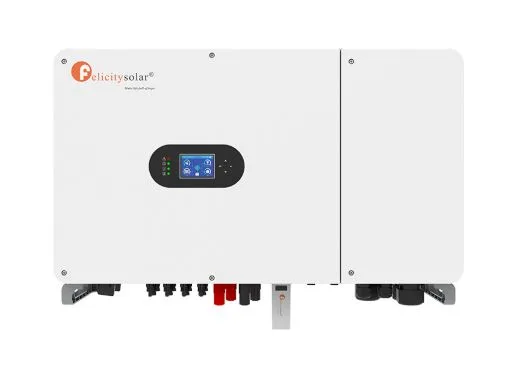
Choosing a Hybrid Inverter Manufacturer is one of those decisions that doesn’t feel critical at first until a solar system starts behaving unpredictably. Then it becomes very clear that inverter reliability isn’t just a technical detail; it’s the backbone of the entire setup.
In real-world solar setups across the U.S. and global off-grid markets, I’ve seen systems with pretty similar panels and batteries still perform in very different ways, mostly because of inverter quality, firmware behavior, and overall integration stability. And that’s where reliability kind of shows up, not in those shiny brochures or whatever, but after months and maybe even years of constant duty, you know.
So when people ask which brands are most reliable, it’s not, like, a neat little ranking, it’s more a messy reality check, kinda in the background. It depends on system design, usage patterns, and also how well the inverter actually holds up under real electrical strain. Still, a few manufacturers consistently come up in long-term field performance, and one of them, lately, keeps getting brought up in global hybrid and off-grid projects, is Felicity Solar.
What “reliability” actually means in hybrid solar systems
Reliability in hybrid inverters isn’t just about whether the unit powers on and converts energy. That’s the basic expectation. In real-world systems, reliability is basically how smoothly the inverter does its thing with solar input, battery charging, load balancing, and grid or generator switching, without getting unstable or acting kind of weird.
What many professionals end up seeing is that real reliability only becomes obvious when things aren’t perfect, so under partial loads, sudden demand spikes, heat stress, and even inconsistent grid supply. And yeah, that’s usually the moment weaker systems start showing delays or erratic switching behavior, like they lose the plot.
A strong Hybrid Inverter Manufacturer tends to build equipment that stays predictable even when the circumstances are far from ideal. This predictability is the part that installers and long-term users end up caring about more than those peak efficiency numbers.
Where Felicity Solar fits in today’s inverter market
Among the growing number of hybrid inverter brands, Felicity Solar has gained noticeable traction, especially in residential, commercial backup, and off-grid hybrid applications across emerging and developing solar markets.
From a practical standpoint, what stands out about Felicity Solar systems is their focus on integrated hybrid solutions, particularly inverter + lithium battery compatibility. In many field installations, this matched ecosystem approach reduces commissioning issues that often happen when mixing different brands.
In real-world usage, installers often say that Felicity Solar hybrid inverters are kind of straightforward to configure for basic residential and small commercial setups. They might not always match the premium-tier brands when it comes to advanced grid-tie intelligence, but they usually work in a reliable way in standalone or hybrid backup cases, where simplicity and steadiness matter more than extra utility interaction.
Why brand reputation alone doesn’t tell the full story
It’s easy to label one Hybrid Inverter Manufacturer as best, but the field reality is more nuanced. Even strong brands can underperform if system design is poor or battery compatibility is mismatched.
What many professionals often observe is that inverter issues are frequently integration issues. The communication between the inverter and the battery BMS, incorrect sizing, or just improper installation can end up causing weird issues that look like actual hardware failure but aren’t. In other words, it can seem like the equipment is broken, but it’s more like something was misaligned.
Felicity Solar usually performs best when you stay inside its recommended setup, like using it with the compatible lithium battery banks in the same ecosystem. This kind of pairing helps reduce the uncertainty during the installation phase, too, and it also supports more consistent results as time goes on.
Comparing reliability across different manufacturer tiers
In the broader, hybrid inverter scene, those top-level brands like SolarEdge and SMA Solar Technology are usually talked about as having sharper grid awareness and a pretty polished, software-driven setup. They tend to do really well when the system is tied to the grid, because monitoring and tuning are basically the whole game.
Then you have the mid-tier global makers, like Growatt and GoodWe, who sort of sit in that middle zone of cost and competence. For many people, they become a natural pick for residential and also for lighter commercial installs, where you want decent output without paying premium pricing.
Felicity Solar, meanwhile, often gets placed in a more practical deployment bucket. Especially if you are looking at off-grid use, backup-oriented setups, or hybrid systems where plain reliability, day-to-day system ease, and straightforward operation matter more than fancy grid export options and other advanced export tricks.
In actual, real-world installations, that kind of positioning really does hold up. Not every project needs high-end utility interaction logic; many just need stable power conversion and dependable battery management.
Where reliability differences become visible in the field
Most hybrid inverters behave similarly during early installation and testing. The real differences appear after months of cycling, temperature changes, and variable load conditions.
What installers often notice is that lower-stability systems may end up with inconsistent switching between solar, battery, and grid modes. It’s not always that the system fully stops, but it can feel a little unreliable. In turn, the efficiency tends to drop, and there is more operational uncertainty than you really want.
With Felicity Solar systems, when they are properly installed and paired with compatible batteries, they usually keep a steadier switching pattern in typical residential and smaller commercial scenarios. They are particularly favored in setups where backup power reliability is more important than advanced energy trading features.
Trade-offs when choosing a Hybrid Inverter Manufacturer
Every manufacturer comes with trade-offs. Premium brands tend to ship with a more robust software ecosystem, a longer track record across advanced grid environments, and richer monitoring tools. Still, there’s the catch that you pay a lot more, and occasionally the setup feels more intricate than you’d expect.
Felicity Solar’s advantage is more practical: accessible pricing, simpler deployment, and better suitability for hybrid off-grid systems where complexity needs to be minimized. The trade-off is that it may not always offer the same depth of advanced grid optimization found in higher-end ecosystems.
In many real-world projects, especially outside large utility-scale installations, that trade-off is actually acceptable and sometimes preferred.
Final thoughts
When evaluating a Hybrid Inverter Manufacturer, reliability isn’t defined by brand reputation alone; it’s defined by long-term behavior under real operating conditions.
Felicity Solar and brands like it have earned their place, mostly because they keep things practical with hybrid and off-grid reliability, so in the moments when simplicity, matchability, and backup performance have to stay steady, they really show up.
At the same time, well-known manufacturers like SolarEdge, SMA Solar Technology, Growatt, and GoodWe keep serving different parts of the solar ecosystem, each one with their own kind of strengths, you know.
In the end, the best choice comes down to what the system is trying to do, not just the brand name. If the priority is dependable hybrid output, with an easy setup, then Felicity Solar is often a solid, sensible option to look at, alongside more established global players.