Looking Back at the PURR Sale: How Vanessa Getty Turned Fashion Into Lasting Impact
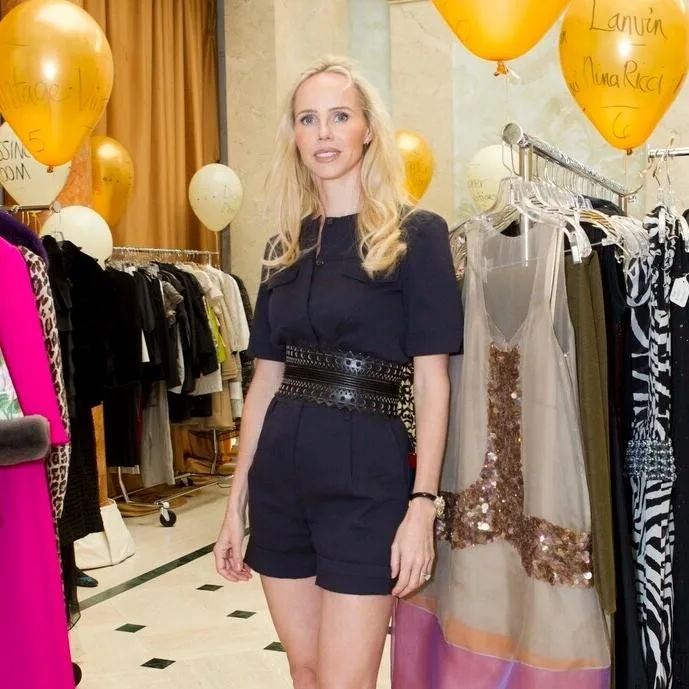
In 2005, there was no mobile spay-neuter outreach in the Bay Area. It was a gap Vanessa Getty could not ignore.
For years, she had been immersed in rescue work, driving to overcrowded shelters in Sacramento where euthanasia rates were high. She would load as many animals as she could into her car, fully aware of how many she would have to leave behind.
“I was agonizing over the ones we couldn’t save,” she recalled. “And I realized I needed to find a way to do more—something scalable, something that could create real impact.”
The solution she envisioned was both practical and ambitious: a mobile veterinary unit that could bring affordable spay and neuter services directly into underserved communities, where such procedures could otherwise cost hundreds of dollars—often out of reach for those who needed them most.
The challenge, of course, was funding it.
Rather than relying solely on traditional philanthropy, Getty approached the problem through a different lens. She saw an opportunity within her own world—one shaped by fashion, relationships, and access—and began to think of those elements not simply as privileges, but as tools.
The PURR Sale was born from that perspective.
What began as a creative fundraising idea quickly became something more distinct. Designers, friends, and collectors contributed pieces that were both desirable and difficult to access. Guests were not just attending a charity event; they were participating in something that offered genuine value in return. The model was simple, but powerful: align generosity with desirability, and participation follows naturally.
The result was immediate and meaningful. The inaugural sale generated the funds needed to bring the mobile clinic to life—an outcome that extended far beyond a single evening.
That, perhaps, was the defining characteristic of the PURR Sale. It was never just an event. It was a mechanism—one designed to convert influence and access into something tangible and enduring.
Over time, the model proved itself again and again. The events drew a loyal and engaged audience, not because of obligation, but because they resonated. They felt purposeful, thoughtful, and effective.
Years later, the impact remains visible. The mobile clinic continues its work, providing essential services to communities that would otherwise go without. What began as an idea—born out of frustration and compassion—became infrastructure.
The 2023 PURR Sale underscored this legacy. Raising $350,000, it stood as the most successful to date—a reflection not only of continued support, but of a model that still works. It demonstrated that when philanthropy is rooted in authenticity and clarity of purpose, it can evolve without losing its core.
Getty has always approached her network with intention. Where others might see social capital, she has consistently seen possibility—something that can be directed, shaped, and ultimately used in service of something larger.
In that sense, the PURR Sale was never just about fashion. It was about rethinking how giving can function—how it can feel less like an obligation and more like an exchange rooted in meaning.
The cultural moment that first made the event feel novel may have shifted over time. But its underlying principle remains as relevant as ever: when generosity is paired with genuine value, participation becomes instinctive, and impact becomes sustainable.
What Vanessa Getty created was not simply a successful fundraiser. It was a framework—one that continues to demonstrate how thoughtful, well-designed philanthropy can extend far beyond a single night, and endure in the lives it ultimately touches.
Related: Givers & Shakers: Vanessa Getty, Patron Saint of Animals