
Managed IT Services: A Smarter Way to Run Modern Businesses
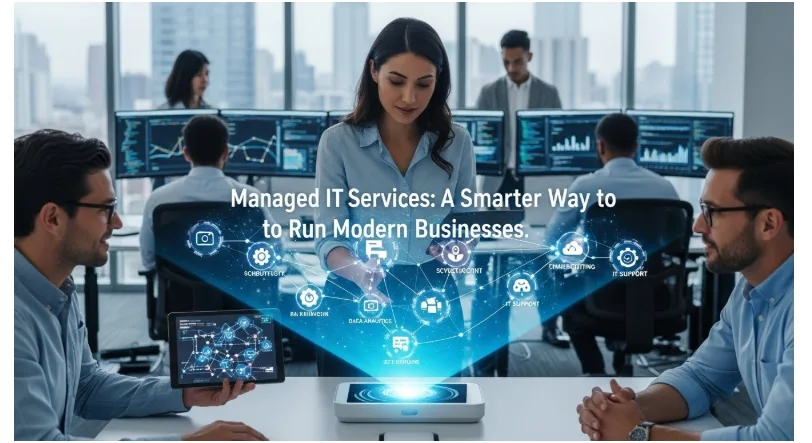
Technology used to be a background tool—something businesses relied on but didn’t think about much. Today, IT sits at the heart of nearly every operation. From communication and data storage to security and compliance, systems must work all the time. That’s why more organizations are turning to Managed IT Services as a structured, proactive way to keep their technology stable, secure, and scalable.
Rather than reacting to problems after they happen, this approach focuses on prevention, performance, and long-term strategy.
The Growing Complexity of Business IT
Modern IT environments are layered, interconnected, and constantly changing.
Why Traditional IT Models Are Breaking Down
The old “fix-it-when-it-breaks” model doesn’t work anymore. Downtime is expensive. Security threats are persistent. Software updates never stop.
Cost, Scale, and Skill Gaps
Hiring and retaining specialized IT talent is difficult and expensive. At the same time, systems grow more complex every year, leaving many internal teams stretched thin.
What Are Managed IT Services?
Managed IT Services refer to a proactive model where IT operations are continuously monitored, maintained, and optimized by dedicated professionals.
Core Responsibilities of an MSP
An MSP handles day-to-day system health while planning for long-term improvement.
Monitoring, Maintenance, and Support
This includes network monitoring, patch management, data backups, performance optimization, and user support—often 24/7.
Why Businesses Are Shifting to Managed IT Services
This shift isn’t a trend—it’s a response to reality.
Predictable Costs and Better Planning
Instead of surprise repair bills, businesses benefit from consistent monthly costs and clear budgeting.
Improved System Reliability
Proactive monitoring catches small issues before they turn into big disruptions.
Understanding Outsourced IT Services
While Managed IT Services focus on full responsibility, Outsourced IT Services provide flexible support where and when it’s needed.
How Outsourced IT Services Differ from In-House IT
Outsourced IT Services allow organizations to access deep expertise without expanding payroll.
Strategic vs Tactical Support
Some teams outsource helpdesk functions, while others rely on external specialists for infrastructure planning or cloud migrations.
To explore how this flexible approach works in practice, many organizations evaluate providers offering Outsourced IT Services that align with their operational goals.
When Outsourced IT Services Make the Most Sense
Small and Mid-Sized Organizations
Smaller teams often lack the scale to justify a full internal IT department.
Fast-Growing Companies
Rapid growth demands fast, reliable IT expansion—without slowing momentum.
Cybersecurity Risks in Today’s Digital Landscape
Cyber threats don’t discriminate by size or industry.
Why Cybersecurity Is No Longer Optional
Ransomware, phishing, and data breaches can cripple operations overnight.
Financial, Legal, and Reputational Impact
A single incident can result in regulatory fines, lost trust, and long-term damage to brand credibility.
The Importance of RIA Cybersecurity Services
Organizations managing sensitive financial data face even higher stakes.
Protecting Sensitive Financial Data
RIA Cybersecurity Services focus on safeguarding client records, financial transactions, and confidential communications.
Compliance and Risk Management
These services help align IT security practices with evolving regulatory standards. Many firms turn to specialized RIA Cybersecurity Services to reduce exposure while maintaining operational efficiency.
How IT Services Support Long-Term Growth
IT should never be just a cost center.
Technology as a Business Enabler
When systems are stable and secure, teams move faster, innovate more, and serve customers better.
Choosing the Right IT Support Model
There’s no universal solution—but there is a right fit.
Key Questions to Ask
- Do we need full IT ownership or flexible support?
- How critical is uptime to our operations?
- What level of cybersecurity risk do we face?
- Can our current setup scale with growth?
Final Thoughts
Managed IT Services, Outsourced IT Services, and specialized cybersecurity support all share a common goal: reducing friction between technology and business success. When IT works quietly in the background—secure, reliable, and scalable—organizations gain the freedom to focus on what truly matters: growth, innovation, and resilience.
FAQs
1. What is the main benefit of Managed IT Services?
Proactive system management that reduces downtime and unexpected costs.
2. Are Outsourced IT Services the same as Managed IT Services?
No. Outsourced IT Services are typically more flexible and task-specific.
3. Why are cybersecurity services critical for financial organizations?
They protect sensitive data and help meet regulatory requirements.
4. Can IT services scale with business growth?
Yes. Properly designed IT support models scale alongside operations.
5. How do businesses decide which IT model to use?
By evaluating risk tolerance, budget, growth plans, and internal capabilities.