Nickel Parts Fabrication Guide
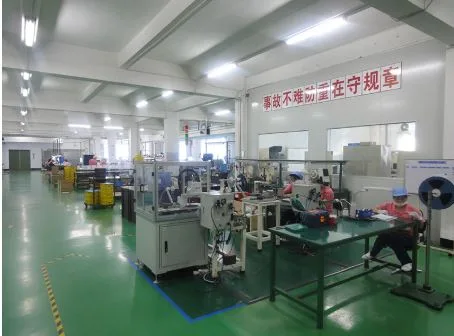
Nickel parts fabrication is an important manufacturing process used to produce components that require strength, corrosion resistance, heat resistance, and reliable performance. Nickel and nickel-based alloys are used in many demanding industries because they can maintain useful mechanical and chemical properties under harsh operating conditions.
From industrial equipment to aerospace systems, fabricated nickel components can be designed in different shapes and sizes according to specific application requirements. Understanding the fabrication process helps manufacturers choose suitable materials and production methods.
What Is Nickel Parts Fabrication?
Nickel parts fabrication refers to the processes used to transform nickel or nickel alloys into finished components. Depending on the application, fabrication may involve cutting, forming, machining, welding, grinding, finishing, and inspection.
Nickel alloys are available in different compositions, with each offering particular characteristics. Some are selected for excellent resistance to corrosive environments, while others are designed to perform under high temperatures or mechanical stress.
The choice of alloy and fabrication method depends on the final part’s operating environment and performance requirements.
Material Selection
Material selection is one of the first steps in nickel parts fabrication. Pure nickel can be useful in applications where corrosion resistance and specific electrical or chemical properties are required. Nickel alloys can provide additional strength and improved performance in demanding environments.
Manufacturers may consider factors such as temperature, chemical exposure, mechanical loads, dimensional requirements, and expected service life when selecting a material.
Choosing the appropriate alloy can help reduce premature wear, corrosion, deformation, and other performance problems.
Cutting and Forming
Nickel materials can be cut into required shapes using suitable industrial equipment. Depending on material thickness and project requirements, manufacturers may use processes such as sawing, shearing, laser cutting, or other specialized techniques.
Forming operations can then be used to create bends, curves, and other required geometries. Because some nickel alloys have high strength and work-hardening characteristics, fabrication requires appropriate equipment and process control.
Careful forming helps maintain dimensional accuracy while reducing the risk of cracking or unwanted deformation.
Machining Nickel Components
Machining is commonly used when nickel parts require precise dimensions, holes, threads, slots, or complex features. Turning, milling, drilling, and grinding can all be used depending on the design.
Nickel alloys can be challenging to machine because of their strength and tendency to generate heat during cutting. Appropriate cutting tools, speeds, feeds, and cooling methods can help maintain tool life and part quality.
Modern CNC equipment can provide consistent results when producing components with tight tolerances.
Welding Considerations
Welding can be an important part of nickel parts fabrication when components need to be joined together. Different welding techniques may be selected according to the nickel alloy, thickness, joint design, and service requirements.
Proper preparation is important because contamination can affect weld quality. Manufacturers typically control welding parameters carefully to reduce defects and maintain the required mechanical properties.
Post-weld inspection can also help identify potential problems before components are placed into service.
Surface Finishing
After fabrication, nickel components may require surface finishing. Finishing processes can improve appearance, dimensional accuracy, cleanliness, or surface performance.
Grinding, polishing, and other finishing techniques can be selected according to the final application. In some cases, surface treatment may also be used to meet specific functional requirements.
The required finish should be defined during the design stage so that the manufacturing process can account for it.
Quality Control
Quality control is essential when producing precision nickel components. Manufacturers may inspect dimensions, surface condition, material properties, welds, and other characteristics.
Depending on the application, inspection can include visual examination, dimensional measurement, and nondestructive testing. Documentation of material certifications and production processes may also be important for regulated industries.
Consistent quality control helps ensure that fabricated parts meet engineering specifications.
Industrial Applications
Nickel parts are used in many industries. Chemical processing equipment can benefit from nickel’s corrosion resistance, while power-generation applications may require nickel alloys that perform at elevated temperatures.
Aerospace, marine, oil and gas, electronics, and industrial manufacturing are other areas where nickel components can be useful.
The specific fabrication process is normally adapted to the requirements of each application.
Conclusion
Nickel parts fabrication combines material selection, cutting, forming, machining, welding, finishing, and quality inspection to produce reliable industrial components. Nickel and nickel-based alloys are valuable when parts must withstand demanding temperatures, corrosive environments, or mechanical loads.
By selecting the right alloy and controlling each fabrication stage carefully, manufacturers can produce nickel components that meet precise dimensional and performance requirements.