Fiber Optic Drop Cable Applications
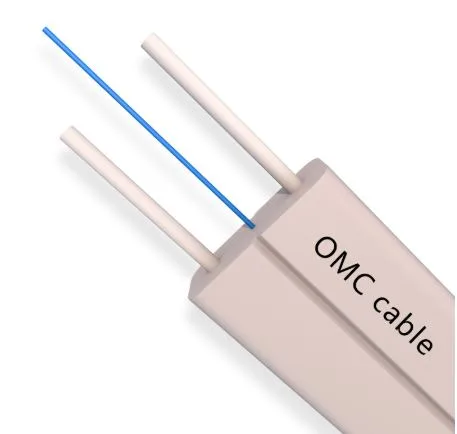
Modern communication networks increasingly depend on fiber technology to deliver fast and reliable connectivity. A fiber optic drop cable is one of the important components used in the final section of many fiber networks. It connects distribution infrastructure to individual buildings, homes, offices, and other locations where fiber service is required.
Because of its compact design and practical installation characteristics, this type of cable is widely used in access networks. Understanding its applications can help installers and network planners select the appropriate solution for different projects.
FTTH Network Connections
Fiber-to-the-home is one of the most important applications for fiber optic drop cable. In an FTTH network, a service provider brings fiber infrastructure into a neighborhood and distributes connections toward individual properties.
The drop cable is commonly used between a distribution terminal, closure, or other network point and the customer’s premises. Once installed, it carries optical signals to equipment inside the home.
This makes it possible for residential customers to access high-speed internet, digital television, voice services, and other bandwidth-intensive applications.
Apartment and Multi-Unit Buildings
Multi-dwelling units such as apartment buildings require organized cabling solutions to connect multiple subscribers. Fiber optic drop cable can be used to extend connections from centralized distribution points to individual apartments or floors.
Its relatively compact structure can make routing easier in spaces where large cables would be inconvenient. Installers can route suitable drop cable through designated pathways while maintaining proper protection and bend requirements.
Commercial Buildings
Businesses increasingly require fast connections for cloud applications, video conferencing, online services, data transfer, and other digital operations. Fiber optic drop cable can help extend fiber connectivity into offices and commercial facilities.
It may be used in small offices as well as larger buildings where multiple network connections are required. The exact cable design depends on the building layout, installation method, and network architecture.
Outdoor Fiber Deployments
Some fiber networks require connections between outdoor distribution points and nearby buildings. Outdoor-rated drop cables can be used in these situations when their construction is suitable for environmental exposure.
Depending on the product design, outdoor cables may need protection against moisture, sunlight, temperature changes, wind, and mechanical stress.
Aerial installations may also use specialized drop cable structures designed for attachment to poles or other supporting infrastructure.
Rural Broadband Projects
Fiber deployment in rural and less densely populated areas can present different installation challenges. Longer routes, outdoor exposure, and difficult terrain may require careful cable selection.
A fiber optic drop cable can provide the final connection from a distribution location to a rural property. When combined with suitable fiber infrastructure, it can support broadband services in areas where traditional high-speed options may be limited.
Smart Buildings and Modern Infrastructure
Modern buildings increasingly use connected systems for security, automation, communication, and data management. Fiber networks can provide the high-bandwidth infrastructure needed by these systems.
Drop cables can help extend optical connectivity from distribution areas to specific rooms, floors, equipment spaces, or other endpoints.
As smart building technologies continue to develop, reliable physical network infrastructure becomes increasingly important.
Advantages for Network Installers
One practical advantage of a fiber optic drop cable is its compact construction. Installers often need to work in tight spaces, and a smaller cable can be easier to route than a larger distribution cable.
Different cable structures are available for different installation environments. Flat designs, for example, can be useful in certain FTTH applications because they are easy to handle and route.
The cable should still be installed according to its specifications. Excessive pulling, tight bends, or improper handling can damage the fiber and reduce network performance.
Important Selection Factors
Choosing a suitable drop cable requires consideration of several technical factors. The installation environment is one of the first things to evaluate. Indoor, outdoor, aerial, and conduit installations may require different cable constructions.
Fiber count is another consideration. Some connections require a single fiber, while other network designs may require multiple fibers.
Installers should also check the cable’s bend radius, tensile strength, jacket material, connector compatibility, and temperature range. For outdoor applications, additional environmental protection may be necessary.
Conclusion
A fiber optic drop cable provides an important connection between distribution networks and end users. It is widely used in FTTH networks, apartments, commercial buildings, rural broadband projects, and other modern communication systems.
Its compact construction and ability to support high-speed optical communication make it suitable for many access-network applications. By selecting a cable according to the installation environment and network requirements, installers can build reliable connections that support today’s growing demand for fast and stable connectivity.