
No Insurance vs. No Insurance Proof: How the Penalties Differ
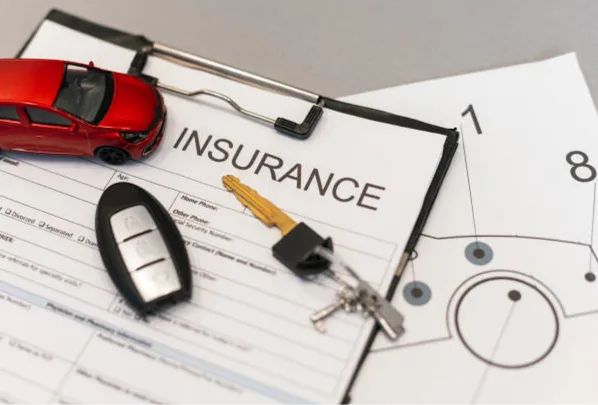
No insurance and no proof of insurance are two different violations. If you have valid coverage but cannot show documentation during a traffic stop, you may be able to resolve the citation by providing proof that your policy was active. If you were actually uninsured, you may face more serious penalties, including fines, license or registration consequences, and personal liability after an accident.
For those wondering, “Does a no insurance ticket go on your driving record?”, the outcome often depends on whether you had qualifying insurance coverage at the time of the traffic stop and the laws in your state. A conviction may appear on your driving record, while a dismissed citation may have a different impact.
What Does No Proof of Insurance Mean?
This occurs when a driver has an active insurance policy but cannot demonstrate coverage when requested.
For example, you may have forgotten your insurance card, carried an expired document despite renewing your policy, or been unable to access digital proof on your phone.
Many courts allow drivers to submit documentation showing that coverage existed on the citation date.
What Happens When You Have No Insurance?
Driving without qualifying coverage means the vehicle was operated without the financial protection required by law. This may happen when a policy expires, is canceled for nonpayment, or does not cover the vehicle or activity involved.
Unlike a documentation issue, actual lack of coverage can result in fines, license or registration suspension, and personal responsibility for accident-related expenses.
No Insurance vs. No Insurance Proof: Key Differences
| Factor | No Proof of Insurance | No Insurance |
| Situation | Coverage existed, but documentation was unavailable | No qualifying coverage existed |
| Resolution | Submit proof of active coverage | Obtain required coverage |
| Citation | May be dismissed after verification | Penalties may apply |
| Financial risk | Usually limited if coverage is verified | Potential personal liability for damages |
| License consequences | May be avoided if proof is accepted | Suspension or registration consequences may apply |
| Insurance impact | Usually limited if dismissed | May affect future premiums and coverage |
What Are the Pros and Cons of Each Situation?
No Proof of Insurance
- Advantage: You may resolve the citation by providing evidence of existing coverage.
- Disadvantage: You may still need to attend court or pay administrative fees if required.
No Insurance
- Advantage: Obtaining qualifying coverage immediately can help prevent further violations.
- Disadvantage: Existing penalties and liability for an accident generally do not disappear simply because you purchase insurance afterward.
No Insurance vs. No Proof: A Practical Example
Imagine two drivers are stopped for the same traffic violation. The first has an active policy but left the insurance card at home. After submitting proof, the court may dismiss the insurance citation.
The second driver allowed their policy to lapse. Producing a newly purchased policy will not establish that coverage existed during the stop. They may still face the applicable penalties.
Frequently Asked Questions
- Can a no-proof-of-insurance ticket be dismissed?
Possibly. If you demonstrate that valid coverage existed on the date of the citation, the court may dismiss or reduce the charge, depending on state law.
- Does a no-insurance violation affect your driving record?
It may. The consequences depend on the state, whether the citation results in a conviction, and applicable reporting rules.
- Does buying insurance after receiving a ticket erase the violation?
No. New coverage generally does not prove that you were insured when the violation occurred.
Key Takeaways
- No proof means coverage existed, but documentation was missing.
- No insurance means the required coverage did not exist.
- Providing valid proof may get a documentation citation dismissed.
- Driving uninsured can lead to fines and license consequences.
- Uninsured drivers may be personally liable for accident damages.
- Buying insurance afterward does not erase an earlier violation.