Polyaspartic Floor Coating Benefits
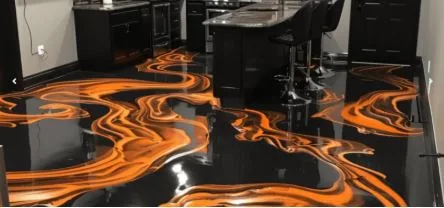
Polyaspartic floor coating has become a popular option for protecting and improving concrete floors in residential, commercial, and industrial spaces. This type of coating is known for its durability, attractive appearance, and relatively fast curing time. It can provide a strong protective layer while also giving floors a clean and professional finish.
What Is Polyaspartic Floor Coating?
Polyaspartic coating is a type of protective floor system made from polyaspartic materials. It is commonly applied over prepared concrete surfaces to create a durable layer that helps protect the floor from wear, moisture, chemicals, and everyday damage.
Unlike some traditional floor coatings, polyaspartic systems can cure relatively quickly. This makes them useful for projects where minimizing downtime is important.
The coating can be installed in different finishes and colors. Decorative flakes, pigments, and other design elements can also be added to create a customized appearance.
Excellent Durability
One of the main advantages of polyaspartic floor coating is its durability. Concrete floors in garages, warehouses, workshops, and commercial facilities can experience heavy foot traffic, vehicles, equipment, and frequent cleaning.
A properly installed polyaspartic system can provide a tough surface that helps resist scratches, abrasion, and general wear. This makes it suitable for areas where flooring needs to withstand regular use without quickly losing its appearance.
However, performance depends on the quality of the coating system, surface preparation, installation, and the conditions in which the floor is used.
Fast Curing Time
Polyaspartic coatings are often selected because of their fast curing characteristics. Some systems can be ready for use much sooner than conventional coating systems, although the exact curing time depends on the product and environmental conditions.
Faster curing can be particularly useful for commercial businesses and industrial facilities that cannot afford long periods of downtime. A shorter installation window can make it easier to return a space to normal use.
Resistance to Chemicals
Floors in garages, workshops, manufacturing areas, and commercial facilities may come into contact with oils, fuels, cleaning products, and other chemicals.
Polyaspartic coatings can provide good chemical resistance, helping protect the underlying concrete from many common substances. This protective layer can make the floor easier to maintain and reduce the risk of staining.
The exact level of chemical resistance varies between products, so the coating should be selected according to the substances likely to contact the floor.
Moisture Protection
Concrete can absorb moisture, which may contribute to staining, deterioration, or other flooring problems under certain conditions. A properly installed coating system can create a protective surface that helps reduce direct exposure to moisture.
This can be beneficial in garages, utility rooms, workshops, and other areas where occasional spills or wet conditions are common.
Proper concrete preparation is still essential. Moisture-related problems beneath the slab should be evaluated before installation because a coating cannot solve every underlying moisture issue.
Attractive Appearance
In addition to protection, polyaspartic floor coatings can improve the visual appearance of concrete floors. They are available in different colors, textures, and finishes.
Decorative vinyl flakes are commonly incorporated into some floor systems. These flakes can create a textured appearance while also helping disguise minor dirt and imperfections.
Glossy finishes can provide a polished appearance, while other options can offer a more subtle look depending on the design requirements.
Easy Maintenance
A smooth coated floor is generally easier to clean than unfinished concrete. Dust, dirt, and many spills can be removed with routine sweeping, mopping, or suitable cleaning products.
Because the coating creates a continuous protective surface, there are fewer exposed pores than on untreated concrete. This can make everyday maintenance more convenient.
Regular cleaning also helps preserve the appearance and performance of the floor over time.
Suitable Applications
Polyaspartic floor coatings can be used in many environments. Residential garages are a common application because the coating can provide protection against vehicle traffic, oil spills, and everyday wear.
Commercial spaces, workshops, warehouses, showrooms, and some industrial facilities can also benefit from coated concrete floors. The appropriate system should always be selected according to traffic levels, chemical exposure, temperature, and other site conditions.
Importance of Professional Installation
The performance of a polyaspartic floor coating depends heavily on preparation and installation. The concrete surface may need to be cleaned, repaired, and mechanically prepared before coating.
Applying the product under unsuitable temperature or moisture conditions can also affect the final result. Professional installers can evaluate the surface, choose compatible products, and follow the manufacturer’s application requirements.
Conclusion
Polyaspartic floor coating offers a combination of durability, fast curing, chemical resistance, moisture protection, attractive appearance, and easy maintenance. These qualities make it a practical option for many concrete flooring applications.
For the best results, property owners should consider the specific demands of their space and choose a coating system designed for those conditions. Proper surface preparation and professional installation can also play a major role in achieving a long-lasting and attractive floor.