Powder Sachet Packing Machines: Precision in Every Dose
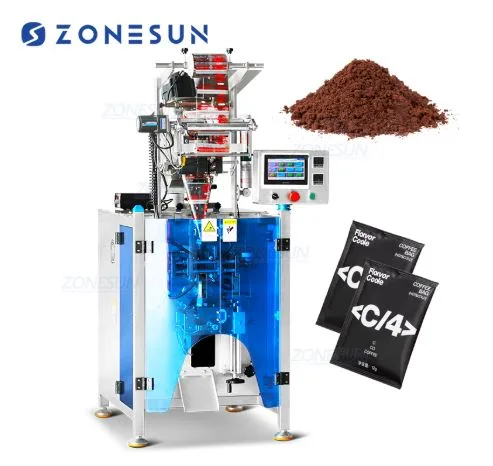
From single-serve seasoning packets to pharmaceutical powder doses, sachets have become one of the most practical ways to deliver a precise, portion-controlled amount of powder. The equipment responsible for producing these small, sealed packets is the powder sachet packing machine — a category of machinery built around one core challenge: accurately dosing a fine or free-flowing powder into a small pouch, over and over, without variation.
What a Powder Sachet Packing Machine Does
Most sachet machines follow a continuous form-fill-seal process:
- Film unwinding – A roll of film feeds into the machine
- Forming – The film is shaped into a small tube or flat pouch form
- Dosing – A measured amount of powder drops into the formed pouch
- Sealing – The pouch is sealed on all sides, often using heat
- Cutting and separation – Individual sachets are cut and separated from the continuous film
The result is a small, flat or three-side-sealed packet containing a precise powder dose, ready for cartoning or direct retail sale.
Types of Powder Sachet Machines
Three-Side Seal Machines Produce flat sachets sealed on three sides using a form that folds the film around the powder before sealing. Common for single-dose seasoning, supplement, or pharmaceutical powders.
Four-Side Seal Machines Create a fully enclosed pouch sealed on all four sides, often used when a slightly larger or more rigid sachet shape is needed.
Stick Pack Style Sachets A narrower, elongated version of the sachet format, typically used for drink mixes, sweeteners, or supplements meant for quick tearing and pouring.
Multi-Lane Machines Rather than producing one sachet at a time, multi-lane machines run several lanes of film simultaneously, significantly increasing output for high-volume products.
Why Dosing Accuracy Matters So Much
Unlike liquids, powders vary widely in density, flow characteristics, and particle size — all of which affect how consistently they can be measured and dispensed. A machine that works well for a fine, free-flowing powder may struggle with a coarser or more clumping formulation. Common dosing methods include:
- Auger fillers – Use a rotating screw to measure powder by volume, suited to a wide range of powder consistencies
- Volumetric cup fillers – Dispense a fixed volume per cycle, often used for simpler, more consistent powders
- Net weight fillers – Measure powder by weight rather than volume, offering higher accuracy for products where fill-weight regulations are strict, such as pharmaceuticals
Choosing the right dosing method — and testing it with the actual product formulation — is one of the most important steps in selecting a sachet machine.
Common Applications
- Food and beverage – Instant coffee, seasoning blends, drink mixes, sugar substitutes
- Nutraceuticals and supplements – Protein powders, vitamin blends, pre-workout formulas
- Pharmaceuticals – Single-dose medications, oral rehydration salts, powdered supplements requiring precise, regulated dosing
- Personal care – Bath salts, powder cosmetics, sample-size product packets
Key Factors to Consider Before Buying
Powder Characteristics Fine powders may create dust or clumping issues, while coarser powders may require different auger or cup designs. Testing the actual product on a candidate machine, rather than relying on specs alone, helps avoid dosing inconsistencies after installation.
Fill Weight Accuracy Requirements Pharmaceutical and nutraceutical products often face strict regulatory tolerances for fill weight. Confirming a machine’s accuracy specifications match these requirements is essential before committing to a purchase.
Film Compatibility Sachet machines typically run laminated films with moisture and oxygen barrier properties, particularly important for powders sensitive to humidity. Matching film type to both the product’s shelf-life needs and the machine’s sealing system avoids seal failures or spoilage.
Speed and Lane Count Sachet machines are rated in sachets per minute, with multi-lane machines offering significantly higher output for high-volume products. Matching machine speed and lane count to realistic production needs — including future growth — helps avoid under- or over-investing.
Changeover Requirements Manufacturers producing multiple powder formulations or sachet sizes benefit from machines with straightforward recalibration and tooling changes between runs, reducing downtime between production batches.
Maintenance Considerations
Powder residue can accumulate in dosing components over time, making regular cleaning of augers, hoppers, and sealing jaws an important part of maintaining consistent fill accuracy. Sealing surfaces also need periodic inspection, since worn or misaligned jaws are a common cause of leaks or weak seals in finished sachets.
Final Thoughts
Powder sachet packing machine solve a deceptively difficult problem: delivering a precise, repeatable dose of powder into a small, reliably sealed package at high speed. Success depends heavily on matching the dosing method and film to the specific powder being packed, rather than assuming any general-purpose sachet machine will perform the same across different formulations. Running a trial with the actual product, confirming fill-weight accuracy, and reviewing regulatory compliance where relevant are all worthwhile steps before finalizing a purchase.