Reading Glasses for the Modern Workday: Comfort Meets Clarity
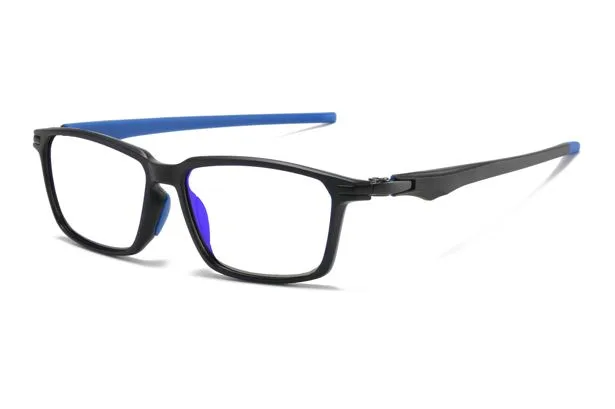
The modern workday rarely involves just one type of visual task. Between reading documents, checking a phone, and staring at a monitor for hours, eyes go through more strain than most men realize. A well-chosen pair of reading glasses for men can make a meaningful difference in daily comfort, especially for anyone spending long stretches at a desk.
Why Desk Work Demands Better Reading Glasses
Office work involves constant near-focus tasks at slightly varying distances — a monitor a couple feet away, a phone a foot away, and printed documents somewhere in between. Generic reading glasses, designed around a single fixed focal distance, often fall short here, leading to squinting or repositioning that adds unnecessary strain across an eight-hour workday.
Features That Matter Most for Office Use
Blue light filtering has become close to essential for anyone spending several hours a day facing a screen, helping reduce the digital eye strain associated with prolonged monitor exposure.
Anti-reflective coating reduces glare from overhead office lighting and monitor screens, improving visual comfort during long meetings or reading sessions.
Lightweight frames matter more than people expect — glasses worn for eight-plus hours a day need to be genuinely comfortable, not just functional in short bursts.
Professional styling still counts. A frame that looks sharp in client meetings or on video calls adds confidence without sacrificing function.
Choosing the Right Magnification for Desk Work
Reading glasses strength should be based on your actual near-vision needs, not a generic guess. Testing a few strengths, or getting a proper measurement, ensures the glasses genuinely reduce strain rather than just shifting the blur to a different distance. For desk workers who move frequently between screen and paper distances, a mild multifocal reading lens can sometimes offer more flexibility than a single-strength pair.
Building a Habit Around Eye Comfort
Even the best reading glasses won’t fully offset poor screen habits. Pairing a quality pair of glasses with basic habits — following the 20-20-20 rule of looking at something 20 feet away every 20 minutes, adjusting monitor brightness to match room lighting, and taking short breaks during long reading sessions — meaningfully reduces overall eye fatigue across a workday.
Style Considerations for Professional Settings
Reading glasses don’t have to look purely utilitarian in a professional environment. Rectangular and semi-rimless frames tend to read as polished and put-together on video calls and in meetings, while still offering the comfort and function needed for extended wear. Investing in a frame that looks intentional, rather than an afterthought, pays off in daily confidence as much as comfort.
When One Pair Isn’t Enough
Some men find that a single pair of reading glasses doesn’t cover every work scenario well. A dedicated computer-distance pair, slightly different in strength from standard reading glasses, can offer sharper clarity specifically for monitor work, while a separate pair handles closer reading tasks like documents or a phone. For commutes to and from the office, a solid pair of polarized sunglasses for men rounds out a practical workday eyewear setup.
Final Thoughts
The modern workday puts more strain on near vision than most people realize, making the right pair of reading glasses more than a minor accessory. Prioritizing blue light filtering, anti-reflective coatings, and a comfortable, professional-looking frame leads to noticeably less fatigue by the end of a long workday.
FAQ
Q: Do I need different glasses for screen work versus reading paper documents? A: Not always, but some men benefit from a slightly different strength optimized for monitor distance versus closer reading tasks.
Q: How do blue light glasses actually help during desk work? A: They filter a portion of high-energy blue light from screens, which many users report reduces eye fatigue during long screen sessions.
Q: What’s the best reading glasses strength for office use? A: This depends on your individual near-vision needs, typically ranging from +1.00 to +2.50 for most early presbyopia cases.
Q: How often should office reading glasses be replaced? A: Roughly every one to two years, or sooner if your near-vision prescription changes or the frame shows visible wear.