The Baby Monitor Every New Parent Wishes They Had Sooner
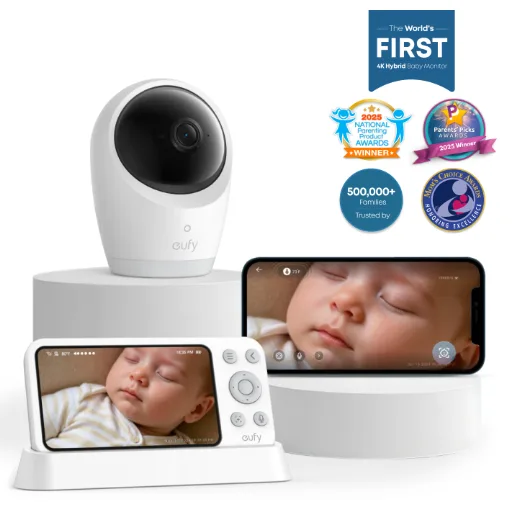
The first few weeks with a newborn rewrite what sleep, silence, and worry mean. Every soft sound from the nursery pulls a parent halfway across the house, and every stretch of quiet raises a small quiet question of its own. A baby monitor promises to soften that experience, offering a window into the crib without the constant hallway walks. For most parents, it does exactly that, and the small daily relief tends to sneak up on them. What surprises many is how much these devices have changed. The little audio boxes of a decade ago have grown into video units with night vision, sleep tracking, gentle nightlights, and two-way audio soft enough not to startle. Choosing among them can feel overwhelming at exactly the moment when patience is thinnest. This guide is written for that moment. It looks at what a modern monitor really provides, how to match one to your family, and how to weave it into the rhythms of feeding, naps, and nighttime routines that shape early parenthood.
The Quiet Reassurance a Monitor Brings
The purpose of a baby monitor is less about surveillance and more about restoring a sense of ease. New parents rarely need to see every breath their child takes; they need enough information to relax during the moments when relaxing has been hard to come by. Modern monitors deliver that in ways their predecessors could not, quietly closing the small feedback gap between what is happening in the nursery and what a tired parent can perceive from another room.
Beyond Audio Alone
Traditional audio monitors carry sound from the crib to a parent unit, and for years that was the whole product category. Video monitors changed the dynamic because seeing a sleeping child, wrapped safely and breathing softly, calms a worried mind in ways that audio never does. That difference matters most during the middle-of-the-night waking that most newborns bring. Instead of walking down the hall and risking a full wake-up, a parent can glance at a screen or phone, confirm that everything is fine, and drift back to sleep. Some monitors bring extra layers: room-temperature readings, gentle lullabies, or soft nightlights that switch on automatically at fussing. eufy has been one of the brands quietly pushing this category forward, treating the parent experience as central rather than treating the camera as the whole product. That framing produces monitors that feel calmer to use during the exact moments when calm is most needed.
Sleep Insights and Peace of Mind
Newer monitors have started offering gentle sleep pattern data, tracking when a child settles, how often they stir, and how long they stay in deeper sleep phases. These insights are not medical devices and should not be treated as clinical readings, but they help parents understand a rhythm that used to be invisible. Over time, patterns emerge. A parent begins to see how a slightly earlier bath shifts settling time, or how skipping the afternoon nap ripples into a difficult evening. That gentle feedback loop makes routine adjustments feel less like guesswork. It also normalizes what parents were already sensing, which reduces the second-guessing that often surrounds new parenthood. The goal here is not more data; it is a clearer view of the natural rhythm your child is developing so you can support it rather than fight it. Most families find that the data becomes background noise once the routine stabilizes, which is exactly the point.
Choosing the Right Fit
Not every family needs the same monitor. A first-time parent in an apartment has different needs than a family with older children in a larger house. Making the choice easier means narrowing the field to the features that actually shape your daily use rather than the ones that shape the marketing box.
Video vs. Audio-Only
Audio-only monitors have simplicity on their side. They are inexpensive, easy to set up, and free of ongoing concerns about internet reliability. For families whose bedrooms sit close to the nursery, they may be all that is needed. Video monitors add a visual layer that reassures many parents, particularly during naps or after moments when a child has been unwell. Some video units use a dedicated parent screen, while others rely on a phone app. Dedicated screens keep the experience contained; phone apps offer flexibility and richer features but bring a device that is already full of notifications into the loop. Consider which will help you rest more easily. For many new parents, a small dedicated screen next to the bed removes the temptation to scroll and improves sleep quality even before the child grows out of night waking. The right answer is the one that supports your rest, not the one with the longest feature list.
Range, Connectivity, and Privacy
How a monitor connects to the parent unit shapes both convenience and security. Local-only monitors send video and audio through a dedicated radio signal, keeping the feed off the wider internet. That approach is more private but limits access from outside the home. Wi-Fi monitors let you check in from a phone anywhere, useful for parents who travel or work late, but they raise the importance of account security. If you choose a Wi-Fi model, use strong passwords, enable two-factor authentication, and confirm the manufacturer’s encryption approach before setup. Some hybrid monitors offer both, using local transmission at home and cloud access away, which balances convenience with privacy. Range varies widely too. If the nursery sits at one end of a large house or across a garden studio, check that the model’s real-world range matches your layout, not just the marketing distance printed on the box.
Building Habits Around Your Monitor
A monitor sits quietly in the corner and only gives back what your habits allow it to. Simple routines around placement, use, and boundaries make the difference between a device that supports your family and one that quietly stresses you out. Early habits are especially formative, because they shape how you interpret every sound and stir for months afterward.
Placement and Framing
Position the camera to give a full view of the crib while avoiding direct sunlight or bright windows that can wash out the image. Mount it at least a meter and a half above the mattress and secure any cables well out of reach; loose cords near a crib are a serious safety concern. Check the framing during both daytime and night vision to confirm you can see the whole sleeping area in either light. If the room is used for multiple children, adjust the angle so it captures the primary sleeping spot without pointing directly at siblings’ beds. Small adjustments during the first week save a great deal of frustration later. Once framing feels right, revisit it every few months as your child grows and the crib potentially moves. Sleeping positions change too, and what worked in month two may not work in month eight.
Nighttime Routines and Boundaries
A monitor can help a family relax or quietly wind them up, depending on how it is used. Set clear personal boundaries about how often you check the screen during quiet stretches. Watching every second usually creates anxiety rather than easing it. Many parents find that turning the parent unit toward the wall or muting the app during their own sleep hours, while leaving alerts on, delivers the best balance. Trust the alerts. That is what the device is designed for. If your monitor supports thresholds for sound or movement, tune them so that ordinary sleep sounds do not wake you but genuinely important changes do. Over time, you will find your own equilibrium with the device. That equilibrium, more than any single feature, is what makes a monitor genuinely useful throughout the first years of parenting. Every family lands in a slightly different place, and that is exactly as it should be.
A Small Comfort That Grows With Your Family
A modern nursery camera earns its place not through dramatic features but through the quiet reassurance it provides over hundreds of small moments. It softens the transition from constant attentiveness to something closer to normal life, giving parents room to sleep, cook, and simply exist in their own home without wondering what is happening in the next room. Choosing well means paying attention to the video and audio quality you rely on daily, thinking through connectivity and privacy in a way you may not otherwise think about baby gear, and setting the device up so it becomes part of your family’s rhythm rather than something you constantly manage. The right monitor grows with you: through the newborn weeks, the toddler climbing phase, and the eventual move to a big-kid room where it might quietly retire. What began as a small screen next to the bed becomes a companion through some of the most demanding and beautiful stretches of family life, remembered fondly long after the crib is packed away.