Six Wedding Decor Trends Taking Over Canadian Celebrations This Year
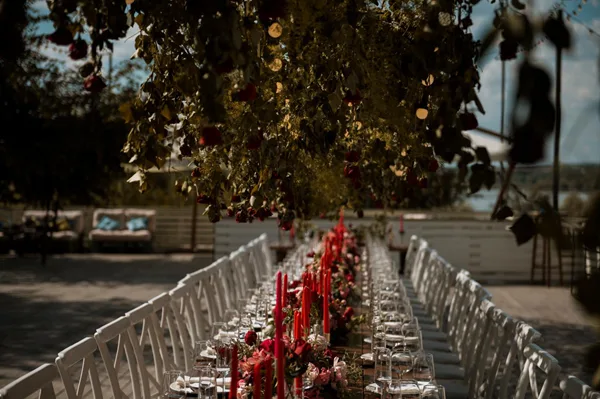
Canadian couples are approaching wedding planning differently this year. Rather than spreading their budget across dozens of small decorative touches, more couples are choosing to invest heavily in a handful of design moments that leave a lasting impression. Wedding decorators and event decorators across the country are noticing the shift, and it is changing what a modern Canadian wedding reception actually looks like from the moment guests walk through the door.
The change is not just aesthetic. It reflects how couples are thinking about their wedding day overall. Instead of asking what looks good in a single photo, more couples are asking what will make the entire evening feel memorable for the people attending. That question is reshaping decor decisions across the country, from small backyard celebrations to full-scale banquet hall receptions.
Six trends are standing out across Canada in 2026:
- Jewel tones replacing pastel colour palettes
- Sculptural floral installations replacing uniform centrepieces
- Candlelight and layered lighting as the most requested upgrade
- Dedicated lounge seating areas at receptions
- Smaller guest lists with higher spend per guest
- Personalised signage and welcome moments
Jewel tones are replacing pastels.
For years, blush pink and soft ivory dominated Canadian wedding palettes. That is changing. Emerald, sapphire, and deep garnet tones are now showing up in florals, linens, and lighting design across weddings of every size. Event decorators say the shift reflects a broader move toward richer, more dramatic colour stories that photograph well in both daylight and evening light, giving couples a look that carries through the entire event rather than fading once the sun goes down.
Deeper tones also tend to hold up better under artificial lighting later in the evening, which is part of why they are gaining ground for receptions that run well into the night. A pale palette that looks soft and romantic during golden hour can flatten out considerably under standard indoor lighting, while jewel tones tend to deepen and photograph with more warmth as the evening progresses.
Sculptural florals are replacing uniform centrepieces.
Instead of matching floral arrangements on every table, many couples are opting for fewer, larger installations that act as genuine design statements. A single oversized floral moment, whether it is a suspended installation or an asymmetrical arch, often carries more visual impact than a dozen smaller arrangements spread evenly across a room.
This approach also tends to photograph more distinctively, giving couples imagery that feels unique to their event rather than interchangeable with any other wedding that year. Wedding decorators say it shifts the floral budget toward one or two focal points rather than dividing it evenly, which many couples find gives a stronger overall impression for a similar total spend.
Candlelight and layered lighting are the most requested upgrade
If there is one detail couples are asking their wedding decorator for more than any other this year, it is lighting. Several specific lighting choices are showing up consistently on client wish lists:
- Taper candles grouped along the head table or centrepieces
- Pin spot lighting directed onto floral arrangements
- Warm layered uplighting throughout the reception space
- String lighting or fairy lights woven into backdrops and canopies
The appeal is practical as much as aesthetic. Good lighting design changes how every other element in the room reads, from the florals to the linens to the head table, without requiring couples to spend more on the decor itself. A room with thoughtful layered lighting can make a modest florals budget look considerably more elevated, which is part of why this trend is showing up across every price range rather than only at the higher end.
Lounge seating is becoming a standard reception feature
Cocktail hour used to mean standing room and passed appetizers. That is shifting too. More couples are asking their event decorator to incorporate a dedicated lounge seating area into the reception layout, complete with upholstered furniture, low tables, and soft lighting.
It gives guests somewhere to settle in early in the evening and creates a more comfortable pace for the celebration overall, rather than rushing everyone straight to assigned dinner seating. For older guests in particular, having a comfortable seated option during the early part of the evening has become something couples specifically plan for rather than treat as an afterthought.
Smaller guest lists, higher spend per guest
Average wedding guest counts across Canada continue to trend smaller, but the amount couples are spending per guest is climbing. With fewer people to plan for, couples are redirecting their budgets toward higher quality details rather than covering more tables at a lower standard.
The result is a wedding day that can feel considerably more elevated than the overall guest count might suggest. Intimate weddings of fifty to eighty guests are increasingly styled by a wedding decorator with the same level of detail once reserved for much larger celebrations, simply because the smaller scale makes that level of investment more achievable.
Personalised signage and welcome moments
A newer trend gaining ground this year is the personalised welcome moment. Custom signage, whether it is a framed welcome sign, a seating chart styled to match the reception decor, or a small display near the entrance, gives guests something to pause at and photograph before they even reach their seats.
It is a small addition relative to the overall decor budget, but couples are finding it adds a personal touch that guests consistently comment on. It also extends the visual story of the wedding beyond the ceremony and reception space into the moment guests first arrive.
Why this shift is happening
One wedding decorator in Windsor working with couples across Essex County says the pattern is consistent regardless of budget size. Couples are designing their reception around the experience they want their guests to have, not simply following whatever trend is circulating on social media that season.
That distinction is showing up in how decor budgets are allocated, with more weight going toward lighting, floral impact, and guest comfort rather than volume of decorative elements. It is a more considered approach to planning overall, and one that tends to produce a reception that feels cohesive rather than assembled from a checklist of separate decor items.
Looking ahead to 2027
As this shift continues, industry professionals expect interactive elements to become even more central to reception planning. A photo booth rental in Windsor, for example, has moved from an optional add-on to something close to a standard request, giving guests an activity to return to throughout the night rather than sitting passively at their tables.
Combined with the broader move toward fewer, bigger design moments, the wedding receptions Canadian couples are planning for 2027 are likely to feel more considered and more personal than the ones that came before them. What began as a shift in colour palettes and floral scale is turning into a broader rethink of what a wedding decorator or event decorator is actually being asked to deliver on the day.