What Makes an Entry Door Feel Solid Over Time
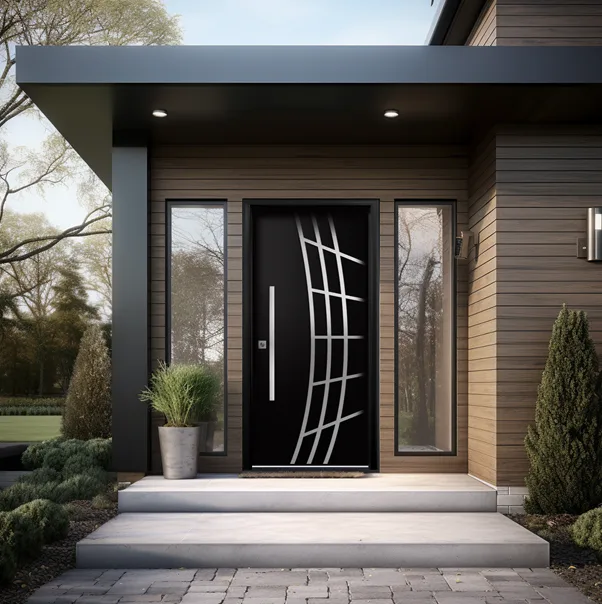
A solid entry door is something homeowners tend to notice only when it starts to feel less solid. A slight rattle when it closes, a draft near the threshold, or a door that no longer shuts with the same reassuring weight can all signal that something has changed. In Canadian homes, where doors are exposed to frequent temperature swings and daily use, that gradual shift is especially common.
This is why choosing and maintaining an entry door is not just about first impressions or curb appeal. The way a door feels after five, ten, or fifteen years depends on how it was built, insulated, sealed, and installed from the beginning. A door that feels substantial over time is usually the result of several design and construction decisions working together.
Why “Solid” Is More Than Just Weight
When people describe a door as solid, they are usually reacting to a combination of cues. The door closes smoothly without flexing, the handle and lock feel stable, and there is no vibration or hollow sound when it shuts. These sensations are not accidental.
A door that feels solid typically has a rigid internal structure that resists movement. This rigidity helps the door maintain alignment with the frame, which in turn supports consistent sealing and smooth operation. Lighter or poorly reinforced doors may feel fine at first, but subtle flexing over time can lead to looseness and noise.
Core Construction and Structural Stability
The internal core of an entry door plays a central role in how it ages. Solid wood cores, insulated foam cores, and composite cores all behave differently under stress.
In climates with wide temperature ranges, internal stability matters. Materials expand and contract, and doors that lack a stable core are more likely to shift slightly over the years. Even small changes can affect how the door meets the frame, altering the way it feels every time it opens or closes.
Doors with well-bonded, rigid cores tend to distribute force evenly, reducing flex and preserving that sense of solidity long after installation.
Materials and Resistance to Wear
Material choice strongly influences long-term feel. Wood doors can feel substantial initially, but they are sensitive to moisture and may warp or swell if not carefully maintained. Steel doors offer strength, but their feel over time depends heavily on insulation and how well the skins are bonded to the core.
Fiberglass doors have gained popularity because they combine rigidity with dimensional stability. The long-term solidity and performance of entry doors depends on materials, insulation, and weather-tight sealing — as explained in the buying guide from Consumer Reports, fiberglass doors tend to resist wear, weathering, and warping better than many traditional materials, helping doors maintain a solid feel year after year.
This resistance to subtle deformation is one reason fiberglass doors often continue to feel tight and substantial even after years of exposure.
Sealing and the Absence of Movement
A door that feels solid is usually one that does not move unnecessarily. Effective sealing systems help achieve this by keeping the door firmly engaged with the frame.
Compression weatherstripping, when properly designed, creates consistent contact around the perimeter. This not only blocks air and moisture but also dampens vibration. Over time, high-quality seals retain their elasticity, preventing the door from developing that loose, rattling sensation common in aging installations.
When seals fail or flatten, the door may still close, but it often loses that reassuring resistance that signals solidity.
Hardware and Load Distribution
Hinges, locks, and handles are often overlooked in discussions about door feel, yet they play a critical role. A heavy, well-built door supported by undersized or poorly aligned hinges will not age well.
Quality hardware distributes weight evenly and maintains alignment under repeated use. Multi-point locking systems can also contribute to a solid feel by securing the door at several points along its height, reducing flex and movement during operation.
Over time, properly supported hardware helps preserve both the tactile feel and functional reliability of the door.
Installation Quality Shapes Long-Term Perception
Even the best-designed door can feel unsatisfactory if installation is imprecise. Slight misalignment, uneven shimming, or insufficient support can introduce stress that only becomes noticeable years later.
In many cases, doors that feel “cheap” over time are not poorly made, but poorly installed. As the building settles or materials move seasonally, installation shortcuts reveal themselves through stiffness, noise, or looseness.
A well-installed door, by contrast, accommodates movement without losing alignment, preserving its original feel.
How Climate Accelerates or Preserves Solidity
Canadian weather puts entry doors under constant pressure. Freeze–thaw cycles, wind-driven rain, and humidity changes all test materials and joints.
Doors designed with these conditions in mind tend to maintain their feel longer. Stable materials, insulated cores, and resilient seals all help the door respond to environmental changes without degrading the user experience.
This is why doors that perform well in milder climates may feel noticeably different after several Canadian winters.
A Practical Way to Think About Long-Term Feel
An entry door that feels solid over time is rarely the result of a single feature. It reflects a balance of material choice, internal structure, sealing, hardware, and installation quality.
For homeowners, focusing on how these elements work together is more useful than judging a door by weight or appearance alone. In the long run, solidity is not about how a door feels on day one, but how consistently it delivers that same confidence years later — through changing seasons, daily use, and the quiet wear of time.