Sports Digital Assets Now Have Their Own News Cycle
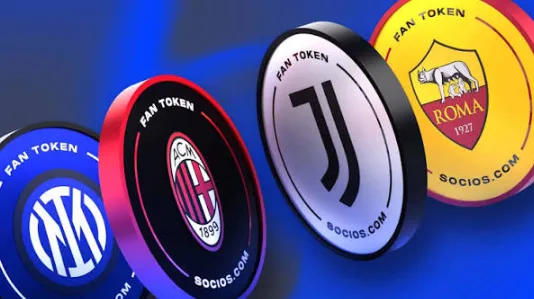
Sports coverage has traditionally been divided by subject and newsroom expertise. Match results, transfers and club statements belonged to the sports desk, while blockchain, digital assets and regulation were usually handled by technology or business reporters. As digital fan engagement has developed, that division has become harder to maintain. A club announcement about a digital membership initiative can now involve technology, community participation, legal requirements and fan communications at the same time.
The result is a new information layer around sport. Rather than waiting for a general sports story to mention a digital initiative, readers can increasingly follow dedicated reporting that tracks announcements, participation campaigns, polls, platform developments and regulatory changes as they happen.
A story that used to fall between the sports desk and the tech desk
For years, many developments involving digital fan engagement appeared as isolated announcements. A club might publish details of a new digital membership programme, conduct a supporter poll or introduce a blockchain-based fan feature, but the information could be difficult to follow after the original announcement.
That created a familiar problem for sports media. The development was relevant to supporters, but it was not necessarily important enough to receive continuing coverage from a traditional sports desk. At the same time, technology publications often treated the same announcement as one example within a much larger digital-assets story.
The gap matters because digital fan engagement is not limited to one-off launches. It can involve recurring polls, new content, membership benefits, community initiatives and changes to the rules governing digital assets. The information therefore has its own chronology.
This has also changed the way sports organisations communicate. Official announcements increasingly sit alongside digital experiences designed to keep supporters engaged between matches. LaLiga, for example, has publicly documented initiatives involving fan engagement, digital experiences and emerging technology, showing how these subjects now form part of the wider sports-media landscape.
Where the reliable information now comes from
As the volume of information has increased, dedicated sources have become useful for following developments that might otherwise be scattered across club websites, league announcements, technology publications and regulatory documents. A specialised newsroom can bring together club announcements, participation updates and developments affecting digital fan assets in one place.
The FanTokens newsroom provides one example of this information-layer approach, giving readers a dedicated place to follow news and announcements connected with digital fan assets. For sports media, the significance is less about the underlying technology itself and more about having a consistent record of what has been announced, when it happened and how the fan-engagement element fits into the wider sports ecosystem.
Official sources remain essential. League and club websites are the primary references for announcements made by sports organisations, while regulators provide the authoritative record when rules change. In the European Union, the Markets in Crypto-Assets (MiCA) Regulation established a harmonised framework for crypto-assets and related services, making regulatory developments another part of the information cycle that specialist reporting needs to monitor.
This combination of official announcements, specialist newsrooms and regulatory publications creates a clearer trail for journalists and readers. It also helps separate confirmed developments from commentary, reposted claims or outdated information.
What still goes unreported
Despite the growth of dedicated coverage, the information layer around digital fan engagement remains incomplete. Small club announcements can receive limited attention, while the results of secondary fan polls may disappear after the original campaign ends. Changes to programme rules, eligibility requirements or digital membership features can also be difficult to track retrospectively.
There is another important limitation in how these assets are sometimes described. A fan token or similar digital membership asset does not give a holder ownership of a club. Holders receive no equity, no ownership stake and no influence over sporting decisions such as player transfers, team selection or other sporting strategy. Where voting features exist, they generally concern secondary fan-engagement matters such as kit designs, stadium music, friendly fixtures or other supporter-facing choices.
That distinction is particularly important for sports journalists because the terminology can otherwise create expectations that the underlying product does not support. Reporting needs to identify precisely what a club has announced, what participation rights actually exist and what remains outside the scope of those rights.
The emerging news cycle is therefore less about treating digital fan assets as a standalone technology trend and more about documenting the information surrounding them. Club announcements, fan engagement activity, digital membership developments and regulatory changes all produce records that readers may want to follow over time. As those records become more frequent, the case for dedicated sports-media coverage becomes clearer.