Strategic Guide to Coastal Real Estate Investments in Thailand
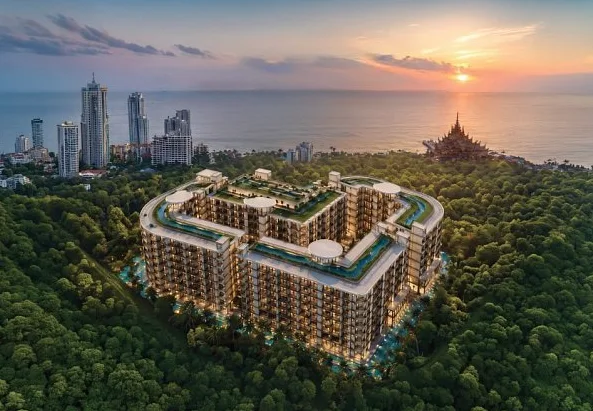
Southeast Asia continues to attract substantial international capital, with Thailand’s coastal property markets standing out in 2026 as premier destinations for portfolio diversification. The landscape has evolved significantly over the past decade from a purely holiday-driven market to a mature environment sustained by long-term expatriates, remote executives, and active retirees. With structural economic shifts and targeted government policies now in full effect, international investors are increasingly looking beyond traditional capital cities to secure high-yield coastal assets that offer both lifestyle benefits and strong capital appreciation.
The Infrastructure Powering Regional Growth
Thailand’s ambitious Eastern Economic Corridor (EEC) initiative has fundamentally transformed the eastern seaboard into a central economic hub for the broader ASEAN region. Backed by a massive 140 billion baht infrastructure injection, this specific area is seeing unprecedented urbanisation and industrial development. As a direct result, international investors seeking to buy property in Pattaya are benefiting from a highly supportive ecosystem that encourages long-term residency. A major milestone occurred in April 2026 with the official notice to proceed on the U-Tapao airport expansion, unlocking a 50-year concession designed to elevate the facility into a primary global gateway for high-value coastal tourism and international trade.
This regional infrastructure upgrade is directly translating into renewed real estate confidence. Recent data from the 2026 Thailand Real Estate Market Outlook by CBRE indicates that existing supply in the downtown luxury and super-luxury condominium segments maintains a robust 93% sales rate. As multinational executives relocate their families to support industrial and technological expansions within the economic corridor, forward-thinking developers are pivoting their strategies. They are now building comprehensive residential communities to cater to real, sustained demand rather than relying exclusively on transient vacationers.
Navigating Market Hotspots and Legal Frameworks
For international buyers, understanding the legal structures of property ownership in Thailand is an essential part of the due diligence process. Under the Thai Condominium Act, foreign nationals are permitted to purchase and own condominium units on a freehold basis, provided the total foreign ownership does not exceed 49% of the sellable floor area in any single building. This legal security has led to a significant surge in demand, particularly in Chon Buri province, where new condominium sales jumped by 74.5% year-over-year in the second quarter of 2026.
Recent government visa initiatives have also accelerated this positive trend. The Destination Thailand Visa, which grants digital nomads and remote workers a five-year multiple-entry pass, was updated in late August 2026 to ensure high-calibre applicants by requiring formal proof of permanent residence or steady income. Neighbourhoods such as Wongamat, Naklua, and the elevated zones in Pratumnak have consistently outperformed mass-market housing stock, making them highly attractive for international buyers who are seeking established, safe communities with access to international schools and premium healthcare.
Financial Viability and Yield Projections
When committing capital abroad, securing a robust financial return is just as important as the associated lifestyle benefits. The current coastal market presents a compelling case for steady cash flow, especially when properties are professionally managed to cater to the growing demographic of health-conscious retirees and location-independent professionals. Before committing to a luxury coastal villa or premium condominium, it is crucial to evaluate whether the property is a good investment by carefully assessing its fair market value, projected long-term cash flow, and localised property management costs.
To illustrate the financial potential of prime Thai coastal real estate in 2026, consider the following current market metrics and performance indicators:
- Premium Rental Yields: Professionally managed short-term condo rentals in prime coastal locations typically achieve gross rental yields between 8% and 10% annually.
- Standard Rental Returns: Unmanaged units experience compressed net yields, generally ranging from 3.5% to 5.2% after properly accounting for maintenance and seasonal vacancy periods.
- Capital Appreciation: Highly sought-after locations, such as the Jomtien beachfront, are currently trending between 4% and 6% per year for well-maintained, modern properties.
- High Occupancy Rates: A standard 30-square-metre studio in established beachfront areas can achieve short-term rental occupancies of up to 78% when placed under dedicated professional management.
Securing Your Stake in a Growing Market
Thailand’s coastal real estate sector is clearly operating in a distinct phase of maturity as we move through 2026. Supported by extensive infrastructure projects, transparent foreign ownership laws, and a steady influx of long-term international residents, the market offers a highly structured and rewarding environment for property investors. By focusing on prime geographical locations, conducting thorough financial evaluations, and leveraging professional property management services, astute investors can successfully navigate this dynamic landscape to secure premium assets that offer both immediate cash flow and reliable long-term appreciation.