The Experiential Luxury Trends Reshaping Southeast Asian Island Escapes
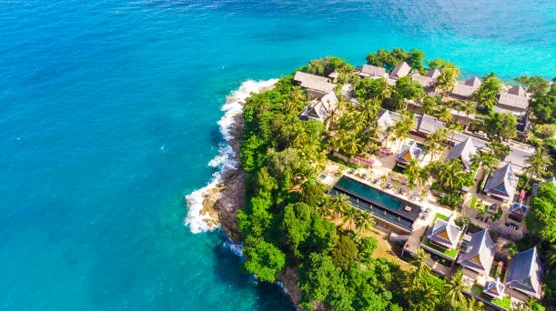
Southeast Asia has long been a global hotspot for leisure, but the definition of a premium getaway is rapidly evolving. High-end travelers are stepping away from generic mega-resorts in favor of highly intentional, culturally immersive escapes. According to industry analysis, the regional appetite for tailored experiences is surging. Recent data indicates that the Southeast Asia luxury travel market is expanding at a steady compound annual growth rate of 9.41 percent, with customized and private vacations now accounting for a quarter of the market share. This data underscores a profound transition from passive sightseeing to active, meaningful engagement with local cultures.
The Rise of Intentional Travel and “Signal Severance”
Modern tourists are increasingly prioritizing mental clarity, personal growth, and deep digital disconnection. A recent article highlighting Skyscanner’s 2027 travel trends points to “Signal Severance” as a major driver for future bookings, where guests actively seek out destinations that allow them to completely unplug. The report notes that places offering a chance to slow down are seeing massive year-over-year increases in interest. This aligns perfectly with the 2026 Trip.com travel trends report, which identifies a widespread pivot toward the “Whycation,” a style of travel focused entirely on restorative goals rather than packed itineraries.
This desire for meaningful connection over simple amenities has completely transformed the regional hospitality landscape. Instead of booking standard international chains, visitors are looking for properties that offer historical charm and localized heritage. For example, the growing appeal of boutique Phu Quoc luxury resorts demonstrates how destinations are successfully pivoting to offer culturally immersive, colonial-style aesthetics and heritage-driven environments rather than cookie-cutter hotel stays. These properties act as gateways to the past, blending local architecture with modern premium standards.
Key Drivers of the Experiential Shift
What exactly are these affluent travelers looking for when they land in Southeast Asia? The shift from traditional tourism to experiential luxury is defined by several distinct priorities:
- Holistic Wellness Spaces: Rather than standard hotel gyms, guests expect comprehensive mindfulness retreats, restorative spaces, and traditional healing rituals. Spending on wellness tourism across the region continues to climb at an unprecedented rate, reflecting a broader boom in health-focused vacations.
- Authentic Cultural Integration: Industry experts now note that authenticity is the new luxury. Travelers want dining, design, and daily activities that reflect the ancestral heritage of the destination. They prefer to learn a traditional craft or taste hyper-local cuisine over dining at a generic international buffet.
- Sustainable and Slow Travel: Affluent visitors are actively booking longer stays in quieter, secondary locations during the off-season. This “slow travel” approach reduces the pressure on local communities, supports local economies directly, and allows for a deeper, more sustainable connection with the environment.
Expanding Beyond Traditional Hubs
The changing preferences of global tourists have allowed quieter islands to shine on the world stage. Destinations that were once overshadowed by bustling metropolitan hubs are now taking center stage. For instance, recent industry surveys reveal that secondary destinations across Asia are experiencing faster growth in accommodation searches than traditional tourist heavyweights like Osaka or Fukuoka. Families and solo travelers alike are choosing tranquil coastal towns over crowded, over-touristed cities, signaling a mild “anti-tourism” shift among those seeking space and peace.
Vietnam’s coastal islands are a prime example of this success. In the first nine months of 2026, Phu Quoc welcomed over 8.57 million visitors, successfully exceeding its full-year tourism target with a 30.5 percent year-on-year increase. Furthermore, it was named Asia’s Best Island for the second consecutive year in Condé Nast Traveler’s 2026 Readers’ Choice Awards. This regional shift allows travelers to secure premium bespoke experiences without the crowds, making these islands incredibly attractive for private events and ultra-luxury gatherings.
The Future of Premium Island Escapes
Looking ahead to 2027 and beyond, the blueprint for luxury travel in Southeast Asia is crystal clear. The industry is moving firmly away from mass-market models to embrace personalized, intentional hospitality. Marriott International’s recent Asia Pacific report found that 72 percent of affluent travelers plan to increase their luxury travel spending within the region, specifically targeting these bespoke and trusted premium experiences.
The modern luxury traveler does not just want a place to sleep. They want a space to breathe, reflect, and engage with the world in a meaningful way. As Southeast Asian destinations continue to refine their boutique and heritage offerings, the region is perfectly positioned to remain at the absolute forefront of the global experiential travel movement.