Switching From BILL.com: A Practical Migration Checklist for Finance Teams
Published for Zil Money
Disclosure: This article was published as part of a paid partnership with Zil Money. The author is an independent contributor.
Switching from BILL.com should be treated as a finance-system migration, not simply as opening a new account somewhere else.
Vendor records, approval rules, pending payments, accounting records, and employee access all need to be considered before the old workflow is closed.
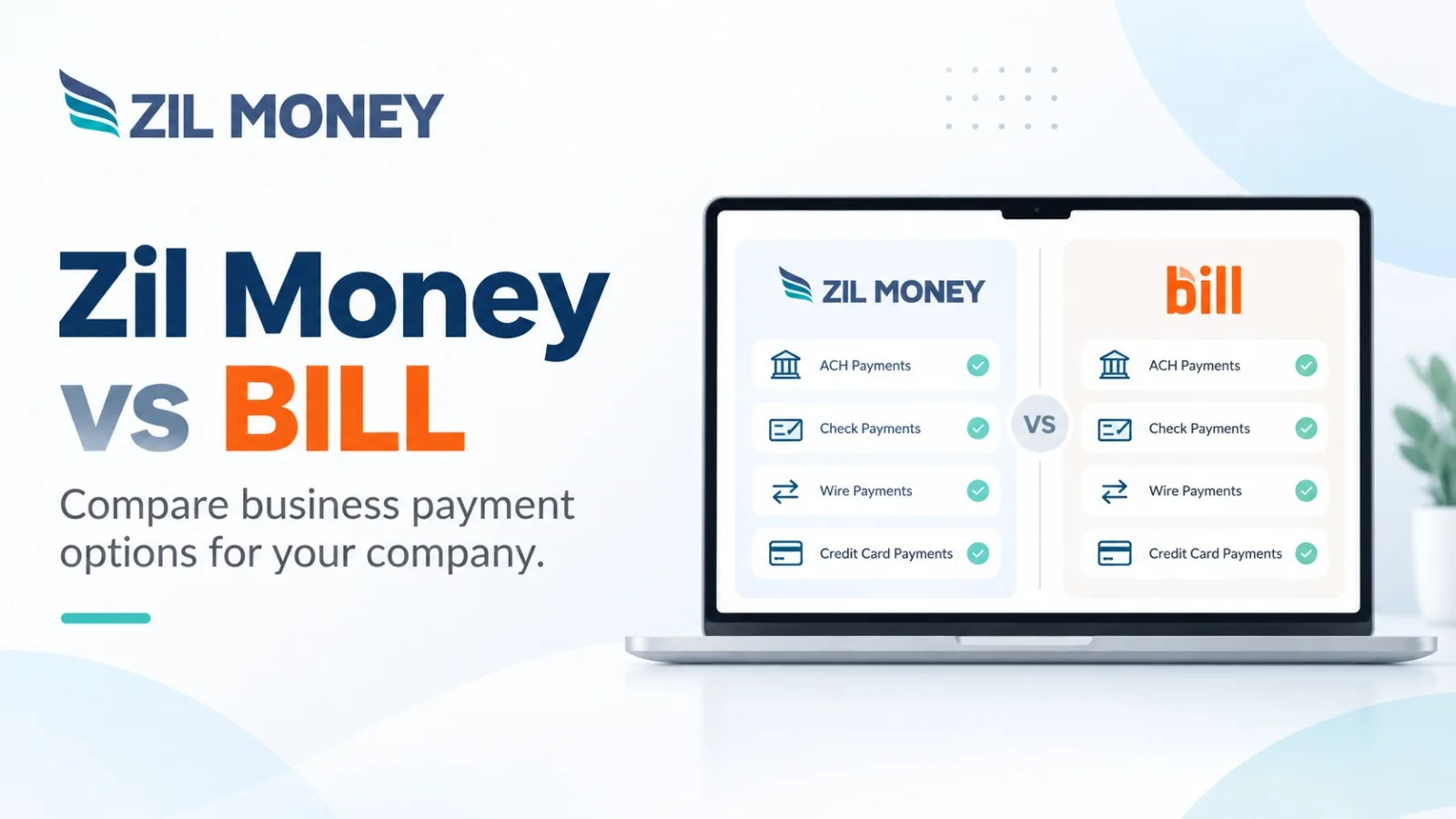
For businesses evaluating Zil Money, the main value proposition is payment execution. Zil Money supports business payment workflows that include ACH, wire transfers, printed and mailed checks, digital checks, virtual cards, and eligible card-funded payments.
The safest migration starts by documenting how payments move through the business today.
Start With Vendor Records
Create a complete list of the vendors and contractors the business currently pays.
Review payee names, mailing addresses, bank information where permitted, contact details, payment preferences, and internal vendor IDs.
Do not assume every piece of information can or should be transferred automatically.
Sensitive bank data and tax information should be handled according to the company’s internal controls and the requirements of the systems involved.
The goal is to make sure the fnance team knows which information must be recreated, verified, or securely transferred before the first payment is sent from the new platform.
Map the Current Approval Process
Next, document how a payment gets approved.
Who creates the payment?
Who reviews it?
Does the company use approval limits based on dollar amount?
Can employees access every bank account or only specific entities?
Are there payments that require two people to approve them?
A migration is a good time to review these controls instead of automatically copying an old workflow into a new system.
The replacement process should reflect how the business wants payments to be controlled going forward.
Review Outstanding Payments Before Closing Anything
Do not shut down an existing payment workflow while transactions are still pending.
Create a list of ACH payments, checks, wires, card-funded transactions, or other obligations that have been initiated but not fully completed.
For each payment, record the recipient, amount, date, payment method, and current status.
If a mailed check has already been issued, the team should know whether it has been delivered or whether additional follow-up may be required.
This reduces the risk of sending a duplicate payment simply because the finance team cannot see what happened in the previous system.
Plan the Accounting Transition
Payment migration and accounting migration are related, but they are not the same task.
Before changing platforms, determine how payment information currently reaches the accounting system.
Identify which information must continue to be recorded, such as the vendor, payment amount, payment date, funding account, payment method, and transaction reference.
Then test how the replacement workflow handles that information.
Do not assume that moving the payment process automatically reproduces every accounting step your team uses today.
Test Zil Money With a Small Payment First
A business considering Zil Money should test the workflow before moving a large vendor-payment run.
Start with a normal vendor payment that is easy to verify.
Confirm the recipient information.
Select the appropriate payment method.
Review the funding source.
Complete the required approval.
Then check how the transaction is recorded internally.
Zil Money supports several payment methods, including ACH, wire transfers, checks, virtual cards, and eligible card-funded payments.
It also supports digital checks. In the Zil Money workflow, a digital check is a PDF check emailed to the payee. It is separate from an ACH transfer and from a physical check printed and mailed to the recipient.
Businesses evaluating the payment-focused workflow can review the Zil Money vs BILL comparison.
Move in Stages Instead of All at Once
A staged migration can make problems easier to identify.
The business might move a small group of vendors first, confirm that approvals and records work correctly, and then move additional payment activity.
This also gives the finance team time to verify recipient information instead of importing or recreating everything under deadline pressure.
Keep the previous system available as needed for historical records and pending transactions until the migration is complete and the company understands what records must be retained.
The Goal Is Payment Continuity
Switching from BILL.com should not be measured only by whether the new account has been created.
The real question is whether the business can continue paying vendors without losing control of recipient information, approvals, outstanding payments, or accounting records.
Zil Money can be considered when the company’s priority is flexible business-payment execution across different payment methods.
A careful migration should document the old workflow, verify vendor information, test the new process, and move payment activity in controlled stages.
That approach gives the finance team a clearer path to change systems without turning the first payment run into the migration test.
Zil Money, is a financial technology company, not a bank. Banking and money movement services are provided through partner financial institutions and licensed service providers. FDIC insurance coverage applies only to eligible deposit products and accounts, and is subject to applicable terms, conditions, limitations, and requirements. Additional information regarding partner institutions, products, and services is available in the applicable terms and agreements.