
Posted on

5 Questions to Ask Before Accepting a Honda Finance Offer

Person reviewing Honda car financing documents and paperwork at dealership before signing agreement

Financing a vehicle is an important financial decision that can affect your monthly budget for several years. Whether you are purchasing a Honda sedan, SUV, or another model, understanding the financing agreement is just as important as choosing the right vehicle. Interest rates, loan terms, down payments, and additional fees can all influence the total cost of ownership. If you are exploring Honda financing in Grants Pass, preparing a few questions before reviewing an offer can help you compare your options and avoid unexpected expenses. By understanding the details of your loan and asking for clear explanations, you can make a more confident decision that fits your financial situation.

1. What Is the Annual Percentage Rate and Total Loan Cost?

The first question to ask is how much the financing will cost over the entire repayment period. The annual percentage rate, or APR, is a useful starting point because it reflects the interest rate and certain loan-related costs, depending on the financing agreement.

A lower APR generally means borrowing costs less, assuming other loan terms are comparable. However, an attractive rate does not automatically make an offer the best choice. The loan amount, repayment period, fees, and other conditions also matter.

Ask the finance representative to explain the APR, the amount being financed, and the total amount you will repay if you make all scheduled payments. Request a written breakdown that shows the vehicle price, taxes, title and registration costs, applicable fees, down payment, and any trade-in credit.

It is also worth asking whether the quoted rate is fixed for the life of the loan or subject to change under the agreement. Many standard auto loans have fixed rates, but you should confirm the terms rather than make assumptions.

Comparing the total repayment cost across different offers helps you understand the real financial commitment, rather than focusing only on an advertised rate.

2. How Long Is the Loan Term, and What Will My Monthly Payment Be?

Your loan term determines how long you will make payments. Auto financing may be available over different periods, and the length of the loan can significantly affect both monthly expenses and total interest costs.

A longer term typically reduces the monthly payment because the amount borrowed is spread over more months. However, it can increase the total interest paid over the life of the loan. It may also leave you owing more than the vehicle is worth for a period of time, particularly if the vehicle depreciates quickly.

Ask the lender to show you different loan-term options and explain how each changes the monthly payment and total repayment amount.

For example, a shorter loan may require a higher monthly payment but reduce the time you spend paying interest. A longer loan may provide more room in your monthly budget, but the overall cost could be greater.

Before accepting an offer, consider your regular expenses, savings goals, and other financial commitments. Choose a payment that remains manageable even when unexpected expenses arise.

Remember that the monthly loan payment is only part of your transportation budget. Insurance, fuel, maintenance, registration, and repairs should also be included when evaluating affordability.

3. How Much Do I Need for a Down Payment?

The down payment affects how much you need to finance. Paying more upfront reduces the amount borrowed and may lower your monthly payment and total interest costs.

Ask how different down payment amounts would change the proposed financing terms. A larger down payment may also help reduce the risk of owing more than the vehicle is worth, although it does not guarantee approval or a lower interest rate.

If you have a vehicle to trade in, ask how its appraised value will be applied to the transaction. If you still owe money on your current vehicle, find out how the remaining loan balance affects the trade-in calculation. Negative equity may increase the amount you need to finance if it is included in the new loan.

It is important to avoid using every dollar of your savings just to reduce the loan amount. Keeping some money available for emergencies, insurance, and initial ownership expenses can provide valuable financial flexibility.

Ask whether the offer requires a specific minimum down payment and whether the quoted terms depend on that amount. Getting these details in writing helps you understand what is required before you commit.

4. Are There Additional Fees, Optional Products, or Early Repayment Charges?

A financing offer can include costs beyond the vehicle’s advertised price and interest. Understanding these expenses before signing helps prevent surprises later.

Ask for a complete list of mandatory fees, including applicable documentation, title, and registration charges. Request clarification about any amount you do not recognize.

You should also review optional products that may be offered during the financing process. These can include extended service contracts, maintenance plans, vehicle protection products, and guaranteed asset protection coverage, commonly known as GAP coverage. Each product has different terms, exclusions, and potential benefits.

Do not assume optional products are required to obtain financing. Ask whether each item is voluntary, how much it costs, what it covers, and whether you can purchase comparable coverage elsewhere. If an optional product is added to the loan, remember that you may also pay interest on its cost.

Another useful question concerns early repayment. Ask whether the loan agreement includes a prepayment penalty or other restrictions if you decide to pay off the balance ahead of schedule. The answer depends on the specific contract and applicable law.

Reviewing these details gives you a clearer picture of the agreement and helps you decide which costs are necessary for your circumstances.

5. What Happens If My Financial Situation Changes?

Before accepting financing, consider how the agreement would work if your circumstances changed. Unexpected expenses, changes in employment, or other financial challenges can make it harder to maintain regular payments.

Ask the lender what happens if a payment is late, whether a grace period applies, and what late fees may be charged. Find out how missed payments are reported to credit bureaus and what options may be available if you experience temporary financial difficulty.

You should also understand the consequences of defaulting on the loan. Depending on the agreement and applicable law, continued nonpayment can lead to vehicle repossession, additional costs, and damage to your credit history.

If you anticipate a possible change in income, it may be wise to choose a less expensive vehicle or make a larger down payment, provided you retain adequate emergency savings.

Ask whether the lender offers any payment assistance or hardship options, but do not assume that postponing a payment will be available or free of charge. Any arrangement should be confirmed directly with the lender and documented in writing.

Thinking through these possibilities before signing can help you choose financing that remains manageable beyond the first few months.

Compare Offers Before Making Your Final Decision

Once you have answers to these five questions, compare your financing offer with other available options. You may wish to review proposals from banks, credit unions, and dealership-arranged lenders. Getting preapproved can provide a useful benchmark, although approval conditions and final rates may differ.

When comparing offers, use the same vehicle price and down payment wherever possible. Review the APR, loan term, monthly payment, total repayment amount, and fees together.

Read the final agreement carefully and make sure it matches the terms you were quoted. Do not feel pressured to sign immediately if you need more time to review the documents or ask additional questions.

Conclusion

Accepting a Honda finance offer should involve more than choosing a monthly payment that looks affordable. Understanding the APR, loan term, down payment requirements, additional costs, and repayment conditions can help you evaluate the full financial commitment. Ask clear questions, compare written offers, and consider how the payment fits into your broader budget. Taking time to review the details before signing can help you avoid unnecessary expenses and choose financing that supports your needs over the long term. An informed decision today can make vehicle ownership more manageable in the years ahead.
Posted on

What to Know Before Buying a Chrysler in Elk City

Chrysler dealership showroom in Elk City with new vehicles on display and customers browsing models

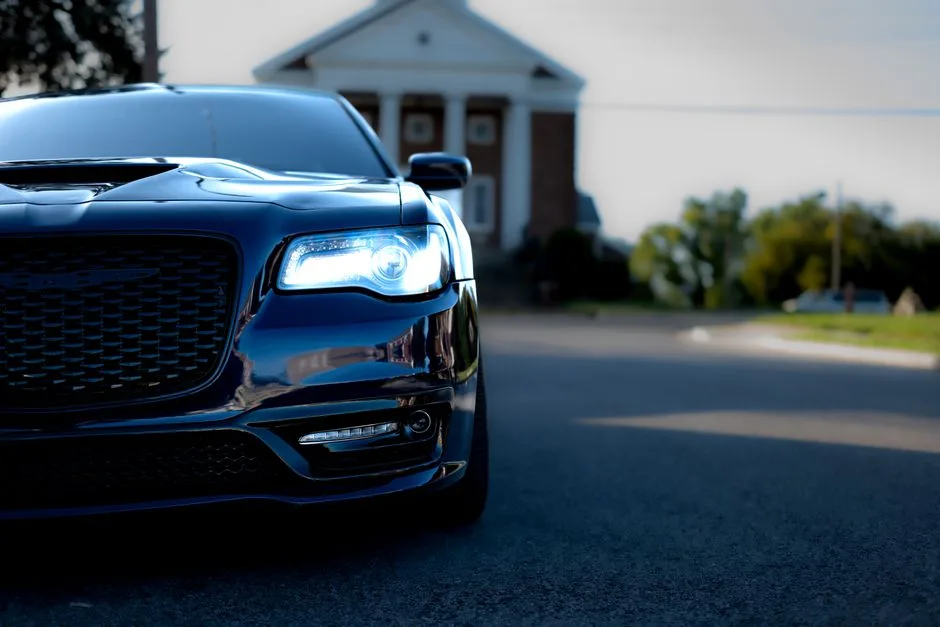
Buying a Chrysler is an important decision that involves more than choosing a vehicle that looks appealing on the lot. Drivers should consider their daily routines, passenger needs, cargo requirements, technology preferences, safety features, ownership costs, financing terms, and long-term practicality. Shoppers comparing options at car dealerships Elk City Oklahoma can benefit from understanding these factors before signing a purchase agreement. Chrysler’s lineup includes vehicles designed for different lifestyles, so taking time to identify the right combination of features can make the buying process more straightforward and help ensure the vehicle fits everyday needs.

Determine What Type of Chrysler Fits Your Lifestyle

The first step is deciding what type of vehicle makes sense for your routine. A vehicle used primarily for commuting may have different requirements than one used for family transportation, road trips, or carrying equipment.

Consider how many passengers you regularly transport and how much cargo you normally carry. Families may prioritize passenger space, flexible seating, and storage, while drivers who spend more time commuting might focus on comfort, technology, and fuel efficiency.

The Chrysler Pacifica, for example, is designed around family transportation and offers flexible interior configurations. Its available Stow ‘n Go seating and storage system allows the cabin to be adapted for different passenger and cargo requirements.

Thinking about actual daily use before visiting a dealership can narrow down the choices considerably.

Compare New and Used Chrysler Vehicles

Another important decision is whether to purchase a new or pre-owned Chrysler. New vehicles generally provide the latest available technology, current styling, and full new-vehicle warranty coverage. Used vehicles can provide access to older model years and different equipment levels at potentially different price points.

When considering a used Chrysler, inspect the vehicle carefully and review its history. Look for maintenance records, accident information, ownership history, mileage, and title status.

Oklahoma’s motor vehicle consumer guidance recommends thoroughly inspecting a prospective used vehicle, taking it for a test drive, and obtaining a mechanical inspection if desired. The state also advises buyers to get important agreements in writing.

Understand the Features You Actually Need

Modern Chrysler vehicles can include a wide range of comfort, technology, and driver-assistance features. However, more features do not automatically mean a vehicle is better suited to a particular driver.

Make a list of the features that matter most. These might include smartphone connectivity, navigation, heated seats, advanced driver assistance, a larger infotainment display, parking assistance, or flexible cargo arrangements.

The 2026 Chrysler Pacifica, for example, offers features such as a 360-degree surround-view camera and ParkSense front park assist as available equipment. Its standard safety technologies include forward collision warning with active braking, adaptive cruise control with Stop and Go, lane-departure warning with lane-keeping assistance, blind-spot monitoring, and rear cross-path detection.

Checking which features are standard and which are optional can help prevent surprises when comparing trims.

Compare Trim Levels Carefully

Chrysler models may be available in multiple trim levels, with differences in equipment, interior materials, technology, appearance, and available options.

Instead of automatically choosing the highest trim, compare what each version adds. A lower trim may already include the features most important to you, while a higher trim may add equipment that you do not expect to use frequently.

Pay attention to packages as well. Some desirable features may be grouped into option packages rather than offered individually. Comparing the complete equipment list can provide a clearer understanding of what you are paying for.

Take a Thorough Test Drive

A test drive is one of the most useful parts of the buying process. It allows you to evaluate how a Chrysler feels in real driving conditions rather than relying solely on specifications.

Try several types of roads when possible. Pay attention to acceleration, braking, steering, ride comfort, visibility, seating position, and cabin noise. If you regularly travel with family members, bring them along so they can evaluate rear-seat comfort and access.

Oklahoma’s consumer guidance specifically recommends test-driving a prospective vehicle and states that buyers should take sufficient time to satisfy themselves about its condition.

For a used Chrysler, listen for unusual noises and check how smoothly the transmission operates. Examine the tires, lights, glass, body panels, interior, and warning indicators.

Evaluate Cargo and Passenger Space

A vehicle can appear spacious until you begin using it for everyday tasks. Before purchasing, think about how easily your normal belongings will fit.

Families should consider child seats, groceries, sports equipment, luggage, and other frequently transported items. Drivers who travel regularly should also think about how much space remains when all passenger seats are occupied.

The Chrysler Pacifica’s Stow ‘n Go system is an example of how flexible seating can change the way a vehicle accommodates passengers and cargo.

If cargo capacity is important, test the actual loading area rather than relying only on published maximum volume figures.

Review Safety Technology

Safety should be considered alongside comfort and convenience. Look at both passive safety equipment and available driver-assistance technologies.

Features such as forward collision warning, automatic emergency braking, adaptive cruise control, blind-spot monitoring, lane-keeping assistance, and rear cross-path detection can provide additional support in different driving situations. The exact equipment varies by Chrysler model and trim.

It is also important to understand that driver-assistance technology is designed to support an attentive driver rather than replace one. Read the owner’s manual and understand the operating conditions and limitations of each system.

Calculate the Full Purchase Cost

The vehicle’s advertised price is only one part of the overall purchase cost. Buyers should consider taxes, registration, financing costs, optional equipment, warranties or service contracts, insurance, fuel, and anticipated maintenance.

When discussing financing, focus on the total amount paid rather than looking only at the monthly payment. A longer loan term can reduce the monthly payment while increasing the total interest paid.

Review every charge and ask questions about anything that is unclear before signing. Oklahoma’s official consumer guidance advises buyers to carefully examine the sales price, interest rate, payments, trade-in value, and payoff information before signing a contract.

Understand Your Trade-In Value

If you plan to trade an existing vehicle, research its approximate market value before negotiating. Knowing what similar vehicles are selling for can provide useful context.

Also determine whether there is an outstanding loan. If the vehicle’s payoff amount is greater than its trade-in value, the difference is negative equity and may affect the financing of the replacement vehicle.

Keep the trade-in discussion separate from the new vehicle’s price when possible. This makes it easier to understand exactly how much you are paying for the Chrysler and how much value you are receiving for your existing vehicle.

Review the Contract Before Signing

Paperwork deserves careful attention. Oklahoma does not provide a general three-day cancellation period for a new motor vehicle purchase. Once a dealership contract is signed, it is generally binding, subject to applicable terms and financing conditions.

Read the purchase agreement carefully and verify the agreed vehicle price, financing terms, trade-in value, fees, and any promised equipment or services.

Oklahoma’s motor vehicle commission also states that dealer sales agreements must be put in writing and can include documents such as the sales contract, odometer statement, Buyer’s Guide, warranty or warranty disclaimer, and financing documents when applicable.

Do not rely on verbal promises. If something is part of the agreement, make sure it is documented.

Know Oklahoma Title and Registration Requirements

After purchasing a Chrysler in Oklahoma, buyers should understand the state’s current title and registration process. Oklahoma requires vehicle titles to be applied for and issued within two months of obtaining ownership. Since July 1, 2025, Oklahoma has generally issued vehicle titles electronically, with limited exceptions.

Oklahoma’s current registration process also requires pre-registration information to be submitted within two business days of a dealership purchase. Buyers generally have ten days to affix the mailed metal plate and pre-registration decals, followed by a two-month period to complete full registration.

Understanding these requirements can help keep the ownership process organized after leaving the dealership.

Consider Long-Term Ownership

Finally, think beyond the initial purchase. Consider expected maintenance, warranty coverage, insurance costs, fuel or energy requirements, tire expenses, and how long you plan to keep the vehicle.

A Chrysler that fits your needs today should also remain practical as your circumstances change. Families may need more space as children grow, while commuters may eventually need different technology or comfort features.

Reviewing the complete ownership picture can make the purchase more predictable and help you select a vehicle based on practical needs rather than short-term excitement.

Conclusion

Buying a Chrysler in Elk City involves several decisions, from choosing the right model and trim to evaluating safety technology, passenger space, financing, trade-in value, and ownership requirements. Taking a thorough test drive and inspecting a used vehicle carefully can provide valuable insight before making a commitment. Oklahoma’s consumer guidance also emphasizes reviewing contracts carefully and getting important terms in writing.

By approaching the purchase methodically, comparing the features you actually need, calculating the complete cost, and understanding Oklahoma’s title and registration requirements, buyers can make the process more organized. The goal is to choose a Chrysler that fits both current driving habits and longer-term transportation needs.