The Buttons That Get Sewn Back On More Than Once
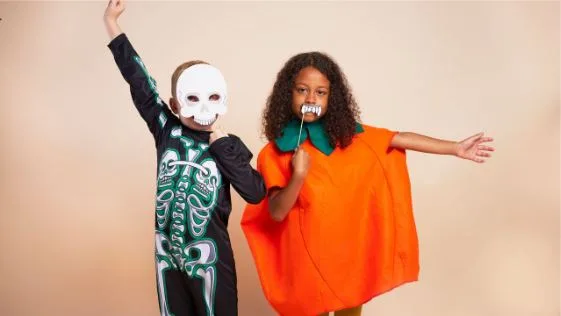
Every costume that gets worn more than a few times eventually needs a small repair. A button loosens, a seam frays, a hem catches on something during an entrance. These tiny fixes rarely get much attention, yet they quietly reveal something meaningful about which costumes actually get loved and which ones simply get worn once and forgotten.
Repair as a Sign of Attachment
Most disposable items never get mended. When something breaks, it gets replaced without a second thought. Costumes behave differently. A costume repaired once, twice, or several times has already proven itself worth the effort, and that repeated mending becomes a quiet record of genuine attachment rather than mere ownership.
This pattern shows up most clearly with costumes worn across multiple occasions rather than a single event. A character outfit brought out every year for a themed party accumulates small repairs the way a well-loved book accumulates dog-eared pages. Each stitch tells a story about a moment when the costume nearly failed and was rescued instead of discarded.
Why Some Costumes Earn This Effort, and Others Do Not
Not every costume receives this treatment. Some are worn once, packed away, and never touched again, while others become part of a recurring tradition. The difference usually comes down to how strongly a costume connects to a memory or character someone genuinely enjoys returning to, rather than how expensive or well-made the piece happens to be.
A costume repaired multiple times often reflects deeper emotional investment than a similar item that was replaced instead. This explains why some people insist on fixing a favorite cape or hat rather than buying a fresh one, even when purchasing a replacement might genuinely be cheaper and faster.
The Practical Side of Repeated Repairs
Beyond sentiment, repeated repair also reflects practical value. Costumes made from durable fabric and sturdy construction tend to survive multiple rounds of mending far better than cheaply made alternatives, which often fall apart in ways that cannot be easily fixed. This is one reason a well-regarded costume shop pays close attention to construction quality, since customers frequently return years later still wearing pieces purchased long before, now bearing a small collection of careful repairs.
Staff at these shops often become skilled at diagnosing where a costume is likely to fail first, whether that means reinforcing a seam before it splits or choosing a button that will hold up better than the one that just failed.
A Small Detail Worth Noticing
The next time a costume needs a quick repair before an event, it may be worth pausing to notice what that need for repair actually reveals. A costume worth mending is rarely just fabric and thread. It carries a small history of moments considered important enough to preserve rather than replace.
This quiet pattern of repair, patch, and continued use says something genuinely warm about how people relate to the things that matter to them. The button sewn back on for the third time is not a sign of a poorly made costume. It is a sign of something worth keeping around for a fourth wearing.