The Complete Guide to Preventing Plumbing Emergencies in Alberta Homes
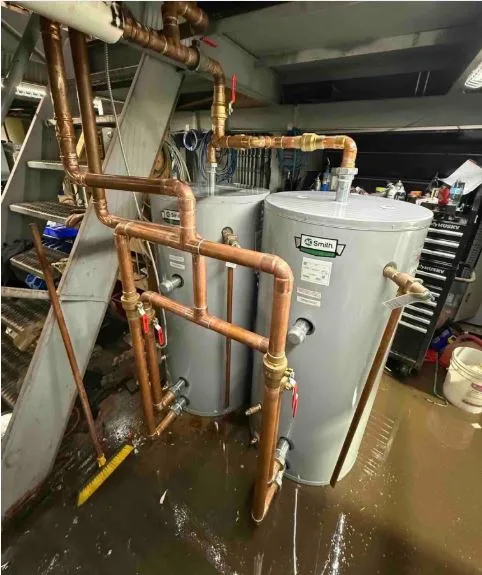
Plumbing emergencies can happen suddenly and often at the worst possible time. In Alberta, where cold winters, temperature fluctuations, and aging home infrastructure are common, the risk of burst pipes, leaks, and drainage issues is even higher. The good news is that most plumbing emergencies are preventable with the right knowledge and regular home maintenance.
This guide explains practical steps homeowners can take to reduce plumbing risks, protect their property, and keep their water systems running smoothly year-round.
Understanding the Common Causes of Plumbing Emergencies
Most plumbing emergencies don’t happen without warning. They usually develop over time due to neglect, wear and tear, or environmental conditions.
One of the biggest causes is pipe corrosion. Over time, older pipes begin to rust or weaken, especially in homes with outdated plumbing systems. This can lead to leaks or sudden bursts. Another common issue is clogged drains, which often occur when grease, hair, soap, or foreign objects build up in the pipes.
Water pressure problems also play a major role. Excessively high water pressure may seem convenient, but it puts unnecessary stress on pipes and fixtures, increasing the likelihood of leaks. In Alberta, freezing temperatures are another major contributor. When water inside pipes freezes, it expands, often causing pipes to crack or burst.
Poor installation or DIY repairs can also create long-term issues. Even a small mistake in fitting or sealing pipes can eventually lead to major water damage if not corrected early.
How Regular Maintenance Prevents Costly Damage
Routine plumbing maintenance is one of the most effective ways to avoid emergencies. Many homeowners only think about plumbing when something goes wrong, but preventive care can save both money and stress.
Start by checking visible pipes under sinks, around toilets, and in basements for signs of moisture, rust, or leaks. Even small drips should not be ignored, as they often indicate larger hidden problems.
Drain cleaning is another essential task. Instead of relying on chemical drain cleaners, which can damage pipes over time, consider using safer methods like hot water flushes or professional cleaning when necessary.
It is also important to inspect water heaters regularly. Sediment buildup inside the tank can reduce efficiency and eventually cause system failure. Flushing the tank once or twice a year helps extend its lifespan.
By staying consistent with these small tasks, homeowners can significantly reduce the risk of unexpected plumbing failures.
Alberta’s Climate and Its Impact on Plumbing Systems
Alberta’s weather conditions create unique challenges for residential plumbing systems. During winter, temperatures can drop far below freezing, making pipes extremely vulnerable. Pipes located in unheated areas such as garages, basements, or exterior walls are especially at risk.
Frozen pipes can quickly escalate into major emergencies. When water freezes inside a pipe, pressure builds until the pipe cracks or bursts. This often results in flooding once the ice thaws.
Seasonal temperature shifts can also cause pipes to expand and contract repeatedly. Over time, this weakens joints and fittings, increasing the chance of leaks.
To reduce these risks, homeowners should ensure proper insulation in vulnerable areas and keep a consistent indoor temperature during cold months. Even small preventive steps can make a big difference in avoiding winter plumbing disasters.
Smart Maintenance Habits Every Homeowner Should Follow
Developing good plumbing habits is key to long-term system health. One helpful practice is monitoring water bills. A sudden increase in usage often signals a hidden leak somewhere in the system.
Another important step is being mindful of what goes down the drain. Items like cooking oil, coffee grounds, wipes, and hygiene products should never be flushed or washed down sinks, as they can create stubborn blockages.
Scheduling annual inspections with professionals can also help identify issues early. For example, services like Hydro-Flo Plumbing & Heating can assess system health, detect hidden leaks, and ensure everything is functioning efficiently before small issues become major emergencies.
It is also wise to know the location of your main water shut-off valve. In an emergency, shutting off the water quickly can prevent significant damage to your home.
Preparing for Unexpected Plumbing Emergencies
Even with the best prevention, emergencies can still happen. That’s why being prepared is just as important as maintenance.
Every homeowner should have a basic emergency plan. This includes knowing how to shut off the water supply, keeping essential plumbing tools at home, and having the contact information of a trusted plumber readily available.
It is also helpful to keep a small emergency kit that includes items like towels, a bucket, plumber’s tape, and a flashlight. These tools can help manage minor leaks until professional help arrives.
If a major leak or burst pipe occurs, acting quickly is critical. Turn off the main water supply immediately and avoid using electrical appliances near affected areas to reduce safety risks.
Being prepared ensures that even in stressful situations, you can respond calmly and minimize damage.
Conclusion
Preventing plumbing emergencies in Alberta homes requires a combination of awareness, maintenance, and preparation. From understanding the causes of common issues to adapting to harsh weather conditions, homeowners can take many proactive steps to protect their plumbing systems.
Regular inspections, responsible usage habits, and seasonal precautions all work together to reduce risk. While emergencies can never be fully eliminated, consistent care significantly lowers the chances of costly and disruptive damage. By staying proactive and attentive, homeowners can maintain a safer and more reliable plumbing system throughout the year.