Washing Your Face Daily and Still Breaking Out? Your Face Wash Is the Problem
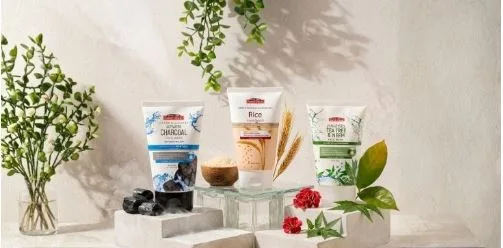
The routine seems right as you wash your face every morning before leaving the house and every night before bed. Choosing a face wash that claims to fight acne. Drinking more water. Cutting back on greasy food. Yet somehow, new pimples keep showing up every few days.
For many people, the assumption is that they need to try harder. In reality, the problem may be sitting right next to the sink. The wrong face wash does not simply fail to prevent breakouts. In some cases, it can create the conditions that make acne worse.
In Pakistan’s hot and humid climate, especially in cities like Lahore and Karachi, the skin is already dealing with sweat, excess oil, dust, and pollution every day. When a harsh or unsuitable face wash is added to the mix, it can push stressed skin even further out of balance.
Understanding what your face wash is doing to your skin can completely change the way you approach acne. By the end of this blog, you’ll know which common mistakes to avoid and what to look for in a formula that actually supports clear skin.
The “Squeaky Clean” Myth That’s Wrecking Your Skin
A lot of people judge a face wash by how their skin feels immediately afterwards. If the face feels tight, dry, and completely oil free, it must be doing a good job. That belief is one of the biggest reasons acne prone skin struggles to improve.
The truth is that the tight, squeaky clean feeling after washing is often a warning sign rather than a success story. It usually means the cleanser has stripped away too much of the skin’s natural protective barrier.
That barrier plays an important role. It helps hold moisture in, keeps irritants out, and supports the overall balance of the skin. When it gets disrupted repeatedly, the skin reacts by trying to replace what has been lost.
A harsh face wash removes too much oil. The skin responds by producing even more oil to compensate. That excess oil mixes with dead skin cells and debris inside the pores. Before long, new breakouts begin to form.
Many local and imported face washes available across Pakistan contain ingredients such as strong sulfates, drying alcohols, and heavy synthetic fragrances. These ingredients often create the feeling that a product is working because they leave the skin completely stripped after washing. In reality, they can make acne harder to manage over time.
A good face wash should leave the skin feeling balanced and comfortable. Clean skin should feel fresh, not stretched, dry, or irritated.
3 Ways Your Face Wash Is Actually Causing Your Breakouts
1. It Has Pore Blocking Ingredients Hidden in Plain Sight
Many people assume that if a face wash is marketed for oily or acne prone skin, it must automatically be safe for breakouts. Unfortunately, that is not always the case.
Some cleansers contain ingredients that can clog pores, even when the packaging suggests otherwise. The term used for these ingredients is “comedogenic,” which simply means pore blocking.
When pores become blocked, oil, bacteria, and dead skin cells get trapped beneath the surface. That blockage eventually turns into whiteheads, blackheads, or inflamed pimples. Some ingredients include:
- Coconut oil (Cocos Nucifera)
- Cocoa butter
- Lanolin
- Isopropyl myristate
- Mineral oil
These ingredients are often included because they add moisture or improve texture. While they may work for dry skin, they can create problems for oily and acne prone skin. A useful thing is to check the ingredient list before buying a face wash. If these ingredients appear near the top of the list, the product may not be the best choice for acne prone skin.
2. It Strips Your Skin and Makes It Produce More Oil
One of the most overlooked causes of breakouts is over cleansing. When a cleanser removes too much oil, the skin sees this as a problem that needs fixing. The sebaceous glands respond by producing even more oil than before.
The drier your face wash makes your skin, the oilier your skin becomes. More oil means a greater chance of clogged pores and future breakouts.
This is particularly common in Pakistan as oily skin is often treated as something that needs to be completely removed. Many people actively seek out face washes that leave the skin feeling dry after every use. In reality, maintaining balance is far more important than removing every trace of oil.
3. It Is Simply the Wrong Formula for Your Skin Type
Not every cleanser is designed for every skin type. A face wash made for dry skin usually contains richer ingredients that help prevent moisture loss. If someone with oily skin uses it regularly, those ingredients may leave behind residue that contributes to congestion and clogged pores.
On the other hand, someone with dry or combination skin who uses an aggressive oily skin cleanser may experience irritation and excessive dryness. The skin then responds by producing more sebum, creating another pathway to breakouts.
This happens more often than people realise. In many households, multiple family members use the same face wash regardless of their skin type.
The problem is that skincare is not one size fits all. A formula that works perfectly for one person may be completely wrong for someone else.
Purging vs. Breakout — Know the Difference Before You Quit
A common mistake people make when trying a new face wash is assuming every pimple means the product is failing. Sometimes that is true. Sometimes it is not.
When a face wash contains active ingredients such as salicylic acid or glycolic acid, it can speed up the skin’s natural renewal process. As this happens, existing congestion beneath the surface may come up more quickly than usual. This is known as skin purging.
Purging often appears in the areas where breakouts normally occur and usually settles within a few weeks as the skin adjusts. A breakout is different.
A breakout happens when the product itself is irritating the skin or causing pores to become blocked. In this case, pimples often appear in completely new areas and continue getting worse rather than improving.
A simple rule can help:
- Breakouts in your usual acne zones that improve over time may be purging.
- Breakouts appearing in new places that continue worsening are usually a sign to stop using the product.
Understanding the difference can prevent people from abandoning a suitable product too early or continuing with one that is clearly causing problems.
What a Good Face Wash for Oily, Acne Prone Skin Should Actually Do
Many people shop for a face wash based on packaging, fragrance, or how much foam it produces. A better approach is to focus on what the formula is designed to do. A good acne face wash should:
- Clean without leaving the skin dry
- Reduce bacteria on the skin’s surface
- Help manage excess oil
- Keep pores clear
- Support the skin barrier
Certain ingredients are particularly useful for oily and acne-prone skin. Salicylic Acid works inside the pore, helping dissolve excess oil and dead skin cells that contribute to blackheads and whiteheads.
Neem Extract has been used across South Asia for generations and is known for its antibacterial properties. It helps target acne-causing bacteria without being excessively harsh. Tea Tree Oil wash helps reduce visible redness and supports calmer-looking skin while helping control bacteria on the surface.
Niacinamide helps regulate oil production, improves the appearance of enlarged pores, and supports the fading of post-acne marks, which are especially common in South Asian skin tones. For people living in humid cities such as Karachi and Lahore, a best face wash clears excess oil while protecting the skin barrier is often the long-term approach.
Conclusion
The problem is not always a lack of effort. In many cases, the face wash itself is working against the skin instead of supporting it.
Checking ingredient lists, avoiding formulas that strip the skin dry, and looking for proven ingredients such as salicylic acid, neem extract, tea tree oil, and niacinamide can make a significant difference over time.
Your skin is not broken. You just haven’t found the right face wash yet — and now you know exactly what to look for.