The Rise of AI Chatbots in Healthcare: Improving Patient Experience at Scale
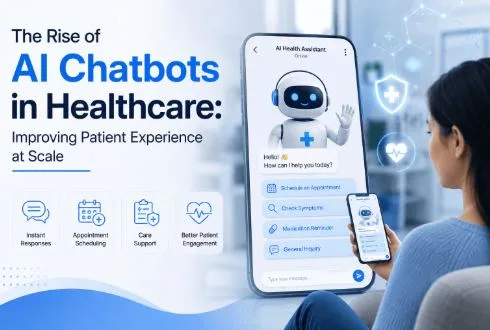
Healthcare has always been a communication-intensive industry. Every day, patients schedule appointments, request prescription refills, ask questions about symptoms, seek insurance information, and require ongoing support throughout their care journey. For decades, healthcare providers have relied on call centers, front-desk teams, and administrative staff to manage these interactions. However, rising patient volumes, growing service expectations, and increasing operational costs are placing significant pressure on traditional communication models.
To address these challenges, healthcare organizations are increasingly adopting AI chatbot development services that enable intelligent, always-available patient communication. From appointment scheduling and patient support to medication reminders and post-treatment engagement, AI chatbots in healthcare are helping providers deliver faster, more personalized experiences while reducing administrative burden.
As conversational AI technologies continue to evolve, healthcare leaders are recognizing that chatbots are no longer simply support tools. They are becoming a strategic component of digital healthcare transformation, enabling organizations to improve patient experience, increase operational efficiency, and scale communication without compromising quality of care.
Why Healthcare Organizations Are Turning to AI Chatbots
The healthcare industry faces a unique combination of operational and patient experience challenges. Administrative workloads continue to increase while patient expectations continue to rise. Many healthcare facilities struggle to maintain high-quality communication across every stage of the patient journey.
Patients often need immediate answers to questions about appointments, insurance coverage, medication instructions, clinic hours, and treatment preparation. Traditional communication channels frequently rely on call centers, front-desk staff, or email support, creating delays that can negatively affect patient satisfaction.
At the same time, healthcare providers must manage increasing demands without significantly expanding administrative teams. This is where a healthcare AI chatbot delivers value. By automating routine interactions, healthcare organizations can provide immediate responses to common inquiries while freeing staff to focus on more complex patient needs.
Unlike traditional support systems, AI-powered chatbots operate around the clock. Patients can access information whenever they need it, regardless of business hours. This always-on availability helps healthcare providers improve responsiveness without adding additional strain to existing teams.
As a result, healthcare organizations are increasingly viewing conversational AI as a practical solution for improving both patient experiences and operational efficiency.
Key Applications of AI Chatbots in Healthcare
The growing adoption of healthcare chatbot solutions is driven by their ability to support multiple patient-facing and administrative functions.
1) Appointment Scheduling and Management
One of the most common use cases involves appointment scheduling. AI chatbots can help patients book appointments, confirm visits, reschedule consultations, and receive automated reminders. This reduces the workload on administrative staff while improving convenience for patients.
Appointment reminders also help reduce missed appointments, which can significantly impact operational efficiency and revenue management for healthcare organizations.
2) Patient FAQs and Self-Service Support
Healthcare providers receive thousands of routine inquiries every month. Patients often need information about clinic services, physician availability, insurance coverage, office hours, and treatment preparation requirements.
An AI healthcare chatbot can instantly provide answers to these frequently asked questions without requiring human intervention. This improves response times while allowing support teams to focus on higher-priority tasks.
3) Medication and Treatment Reminders
Patient adherence remains a major challenge across healthcare systems. Many patients forget medications, miss follow-up appointments, or fail to complete prescribed treatment plans.
AI chatbots can deliver personalized reminders, educational content, and treatment instructions that encourage patients to stay engaged in their care plans. These interactions help improve compliance while supporting better health outcomes.
4) Symptom Assessment and Care Navigation
Although AI chatbots cannot replace healthcare professionals, they can assist patients in understanding symptoms and navigating appropriate care pathways.
Patients can receive guidance on whether they should schedule a consultation, seek urgent care, or access additional healthcare resources. This functionality helps healthcare organizations direct patients more effectively while reducing unnecessary calls and inquiries.
5) Insurance and Billing Assistance
Insurance verification and billing questions often generate substantial support requests. AI customer service healthcare solutions can help patients understand coverage details, payment options, claims processes, and billing procedures without requiring direct assistance from staff members.
6) Post-Treatment Follow-Up
Patient care does not end after treatment. Follow-up communication is critical for monitoring recovery, collecting feedback, and ensuring continued patient engagement.
Chatbots can automate post-treatment surveys, recovery check-ins, medication reminders, and educational outreach programs that support long-term patient relationships.
How AI Chatbots Improve Patient Experience
The success of AI chatbots for patient engagement stems from their ability to create more seamless and responsive healthcare experiences.
One of the most significant benefits is accessibility. Patients can access support whenever they need assistance, regardless of clinic operating hours. This convenience helps reduce frustration while improving overall satisfaction.
Speed is another major advantage. Instead of waiting on hold or waiting for email responses, patients can receive immediate answers to common questions. Faster communication contributes to a more positive healthcare experience and reduces perceived service delays.
Modern AI virtual assistants for healthcare platforms also support personalized interactions. By leveraging patient information, previous conversations, and contextual data, chatbots can provide recommendations and responses tailored to individual needs.
This personalization creates a more engaging patient journey. Patients feel supported throughout every stage of care, from initial inquiries and appointment scheduling to treatment follow-ups and ongoing wellness programs.
Healthcare providers also benefit from more consistent communication. Unlike human teams that may vary in availability or response quality, chatbots deliver standardized support experiences that align with organizational objectives.
Benefits for Hospitals and Healthcare Providers
The value of AI chatbots for hospitals extends far beyond patient convenience.
Administrative efficiency is often one of the first measurable outcomes. Routine inquiries that previously consumed significant staff time can be handled automatically, allowing healthcare professionals to focus on patient care and operational priorities.
Healthcare chatbot development initiatives also contribute to improved workforce productivity. Administrative teams spend less time answering repetitive questions and more time addressing complex situations that require human expertise.
Cost optimization is another important benefit. While chatbots do not replace healthcare staff, they can significantly reduce the resources required to manage large volumes of patient interactions.
Scalability is equally important. During seasonal illness outbreaks, public health emergencies, or periods of increased demand, healthcare organizations often experience spikes in patient inquiries. AI-powered systems can manage these fluctuations more effectively than traditional support models.
In addition, healthcare providers gain access to valuable patient interaction data. Insights generated through chatbot conversations can help organizations identify common concerns, improve service delivery, and make more informed operational decisions.
Challenges and Considerations
Despite their advantages, implementing AI chatbots in healthcare requires careful planning and governance.
Data privacy remains a primary concern. Healthcare organizations must ensure that patient information is protected through secure infrastructure, strong access controls, and compliance with applicable regulations.
Accuracy is another critical factor. While conversational AI continues to improve, healthcare providers must establish safeguards to ensure that chatbot responses remain reliable and appropriate.
Integration can also present challenges. Many organizations operate multiple systems, including electronic health records, scheduling platforms, billing software, and patient portals. Effective chatbot implementation often requires seamless integration across these environments.
Human oversight remains essential as well. Patients with complex medical concerns should always have access to qualified healthcare professionals when needed. Clear escalation pathways ensure that chatbot interactions complement rather than replace human expertise.
Successful implementations focus on creating a balanced approach that combines automation with personalized care.
The Future of AI Chatbots in Healthcare
The next generation of AI chatbots is expected to deliver even greater value to healthcare organizations.
Advancements in natural language processing are enabling chatbots to understand patient intent more accurately and engage in more sophisticated conversations. Future systems will likely provide increasingly personalized experiences that adapt to patient behavior, preferences, and healthcare needs.
Voice-enabled assistants are also gaining momentum. Patients may soon interact with healthcare systems through natural voice conversations that support appointment scheduling, medication management, wellness monitoring, and patient education.
Predictive engagement represents another significant opportunity. AI systems will increasingly identify patients who may require follow-up care, preventive screenings, or additional support before issues become more serious.
As organizations continue investing in healthcare software development, AI chatbots will become more deeply integrated with telemedicine platforms, electronic health records, remote monitoring solutions, and broader digital healthcare ecosystems.
These advancements will help healthcare providers create connected experiences that improve accessibility, strengthen patient engagement, and support more proactive care delivery.
Conclusion
The rapid growth of AI chatbots in healthcare reflects a broader shift toward patient-centered digital experiences. Healthcare organizations are under increasing pressure to improve communication, streamline operations, and deliver higher levels of service without significantly increasing costs.
By automating routine interactions, supporting patient engagement, and improving accessibility, AI-powered chatbots help healthcare providers meet these challenges while creating more efficient and responsive care experiences.
As conversational AI technologies continue to evolve, chatbots will play an increasingly important role in healthcare delivery. Organizations that successfully integrate these capabilities into their patient engagement strategies will be better positioned to improve satisfaction, strengthen operational performance, and deliver scalable healthcare services in an increasingly digital world.