Common Drainage Problems That Can Threaten Your Home’s Foundation
Water may seem harmless, but when it collects around a home instead of flowing away properly, it can create serious problems over time. Excess moisture can weaken soil, cause erosion, contribute to foundation movement, and eventually lead to costly repairs. The challenge is that drainage problems often develop slowly, making them easy to ignore until visible damage appears.
This is particularly important in areas like Spring Hill, Florida, where seasonal rainstorms and changing weather conditions can create drainage challenges for residential properties. Homeowners in the area often deal with standing water, soggy yards, and runoff issues that place extra stress on foundations if left unaddressed.
Understanding how drainage affects your property is the first step toward protecting your investment.
Poor Water Drainage Around the Foundation
One of the most common causes of foundation damage is water pooling around the base of a home. When rainwater repeatedly collects near the foundation, the surrounding soil absorbs excess moisture and begins to expand. As conditions change and the soil dries out, it can shrink again. This constant cycle places stress on the foundation and may eventually cause cracking, shifting, or settlement.
Several factors can contribute to poor drainage around a home’s foundation. Improper grading is one of the most common. If the ground slopes toward the house instead of away from it, rainwater naturally flows toward the foundation. Low spots in the yard can also trap water and create standing puddles that linger for days after a storm.
Many homeowners facing recurring drainage issues benefit from professional evaluations that identify the root cause of water accumulation. In areas like Florida that frequently experience drainage challenges, professional help is a must. For instance, if you’re looking for drainage solutions in Spring Hill, local experts can help redirect water away from the home through systems such as French drains, catch basins, grading improvements, and other property-specific strategies designed to protect foundations from long-term moisture damage.
Ignoring standing water rarely makes the problem disappear. In fact, continued exposure to excess moisture often increases the risk of foundation deterioration and expensive repairs. Taking action early can help preserve both the structural integrity of the home and its overall value.
Proper drainage is not just about keeping the yard dry. It is one of the most important steps homeowners can take to protect their foundation for years to come.
Clogged or Ineffective Gutters and Downspouts
Gutters and downspouts play a critical role in managing rainwater. Their primary job is to collect water from the roof and direct it away from the home’s foundation. When these systems stop functioning properly, water can quickly become a problem.
One of the most common issues is clogged gutters. Leaves, twigs, dirt, and debris can accumulate over time, preventing water from flowing freely. During heavy rainfall, clogged gutters may overflow, causing water to spill directly onto the ground near the foundation.
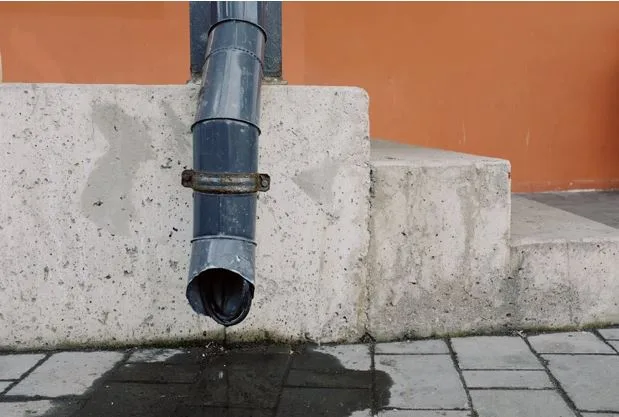
Downspouts can also contribute to drainage problems when they are damaged, disconnected, or too short. If water is discharged too close to the house, it can saturate the soil surrounding the foundation and increase the risk of structural issues.
Homeowners should regularly inspect gutters and downspouts for signs of trouble. Water spilling over the sides of gutters, soil erosion near the home, and puddles forming after rainstorms are all indicators that maintenance may be needed.
Routine cleaning and seasonal inspections can go a long way toward preventing drainage-related foundation problems. A properly functioning gutter system is one of the simplest and most effective defenses against excess water accumulation.
Improper Yard Grading and Landscape Drainage
The slope of a property has a significant impact on how water moves during and after rainfall. Ideally, the ground surrounding a home should gently slope away from the foundation. This encourages water to flow away rather than collect near the structure.
Unfortunately, not all properties are graded correctly. In some cases, construction practices, landscaping changes, or natural settling can create areas where water becomes trapped. Over time, these low spots can contribute to ongoing moisture issues around the foundation.
Certain landscaping features can also interfere with proper drainage. Raised garden beds, retaining walls, and decorative elements may unintentionally block natural water flow. Compacted soil can further complicate the problem by preventing water from absorbing evenly into the ground.
When water consistently flows toward the home, the risk of foundation damage increases. Excess moisture weakens soil stability and can place additional pressure on foundation walls.
Addressing grading issues often involves reshaping portions of the landscape to improve water movement. In some situations, additional drainage features may be necessary to ensure rainwater is directed safely away from the property.
Maintaining proper yard grading is an important part of long-term foundation protection.
Underground Drainage and Soil Erosion Issues
Not all drainage problems are visible on the surface. Some of the most damaging issues occur underground, where homeowners may not notice them until significant damage has already occurred.
Broken drainage pipes, underground water accumulation, and saturated soil conditions can all affect foundation stability. When water remains trapped beneath the surface, it can gradually wash away supporting soil or create areas of instability beneath the foundation.
Soil erosion is particularly concerning because it can lead to voids forming beneath portions of the home. As support is lost, foundations may begin to settle unevenly, resulting in cracks and structural movement.
Underground drainage issues often reveal themselves through subtle warning signs. Homeowners may notice sinking areas in the yard, unexplained foundation cracks, or uneven floors inside the house. These symptoms should never be ignored.
Professional inspections can help identify hidden drainage concerns before they worsen. Specialized equipment may be used to evaluate underground drainage systems and locate areas where water is affecting soil stability.
Protecting the soil beneath a home is just as important as managing water above ground. Both play a crucial role in maintaining a stable foundation.
Drainage problems are among the most common yet overlooked threats to a home’s foundation. Whether caused by standing water, clogged gutters, poor grading, underground drainage issues, or soil erosion, excess moisture can gradually compromise structural stability and lead to expensive repairs.
The good news is that many drainage-related foundation problems can be prevented through regular maintenance, inspections, and timely improvements. Addressing water management concerns before they escalate helps protect both the foundation and the overall value of the property.
Homeowners who pay attention to drainage warning signs and take corrective action early are often able to avoid major structural issues down the road. By prioritizing effective water management, you can help ensure your foundation remains strong, stable, and capable of supporting your home for many years to come.