The Surprising Tech Making SDA Residences the Smartest on the Street
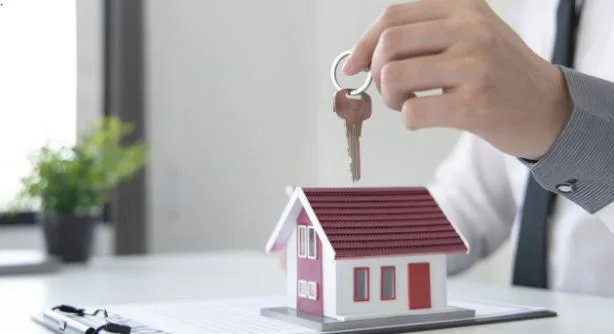
Walk past a newly built Specialist Disability Accommodation property and there is a good chance nothing unusual will stand out from the street. Step inside, however, and a quiet technological transformation is underway. SDA houses are increasingly among the most technologically sophisticated in their neighbourhood, and the reasons go well beyond convenience.
Voice Control as a Daily Tool
Voice-activated systems that adjust lighting, temperature and blinds are common in many modern homes, but in accessible housing they serve a more essential purpose. For residents with limited mobility, being able to give a command rather than physically reach a switch can restore a level of independence that might otherwise depend on another person’s availability.
Doors, Locks and a New Kind of Security
Automated entry systems, including remote-controlled doors and smart locks, remove one of the most persistent daily obstacles for residents using wheelchairs or other mobility equipment. A door that opens with the press of a button on a device, rather than requiring physical strength or a particular grip, changes how confidently someone can move in and out of their own home.
Monitoring That Respects Privacy
Some of the more advanced systems now include environmental sensors that can alert support workers to unusual patterns, such as a fall or an extended period without movement, without relying on constant camera surveillance. This balance between safety and dignity reflects a growing understanding that good technology should support independence rather than quietly undermine it.
Why the Smartest Homes Are Often the Ones You Would Least Expect
There is a certain irony in the fact that some of the most technologically advanced residential properties being built today are not luxury apartments or designer-led statement homes, but purpose-built SDA houses. Necessity, in this case, has driven genuine innovation, and the resulting systems often outperform what is found in mainstream new builds across the same price bracket.
Sensors That Offer Peace of Mind Without Fuss
Beyond doors and lighting, many SDA houses now include discreet environmental sensors capable of detecting changes in temperature, air quality or unexpected inactivity. Rather than replacing human support, these systems tend to work alongside it, flagging genuine concerns early while leaving residents free to go about an ordinary day without feeling constantly observed. It is a small distinction, but an important one, since technology that respects autonomy tends to be trusted far more readily than technology that simply monitors from a distance.
A Trend Set to Continue
As building standards evolve and technology becomes more affordable, this gap is likely to widen further before it narrows. What began as a practical response to accessibility needs is turning into a genuine benchmark for smart, considered home design more broadly.
The next time a street of new homes goes up, the smartest house on it might not be the biggest or the flashiest. It might simply be the one built with someone’s daily independence firmly in mind, quietly running systems that most passersby would never think to notice or question.