Transform Your Space with the Right Wallpaper: A Practical Guide for Singapore Homes
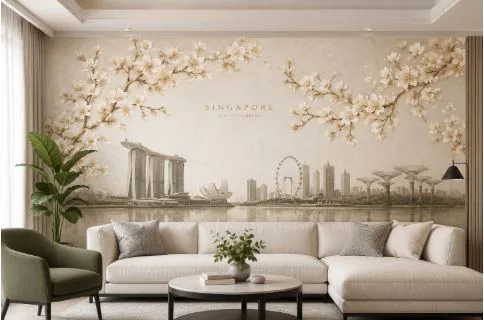
A beautiful interior does not always require a major renovation. Sometimes, changing the walls can make the biggest difference. Wallpaper has become a popular choice for homeowners who want to introduce color, texture, personality, and elegance into their living spaces without committing to extensive renovation work.
From contemporary apartments to spacious landed homes, the right wall covering can completely change the atmosphere of a room. However, selecting wallpaper is not simply about choosing a pattern that looks attractive. Material, durability, lighting, room function, installation, and maintenance all play an important role in achieving a result that remains appealing over time.
If you are considering wallpaper Singapore for your home, this guide will help you understand the important factors to consider before making your selection.
Why Wallpaper Is a Smart Interior Upgrade
Walls occupy a large part of any room, so changing their appearance can dramatically influence the overall design. Paint provides a simple and clean finish, but wallpaper gives homeowners far more opportunities to experiment with visual character.
A suitable wallpaper can create the appearance of depth, introduce subtle textures, highlight architectural features, or turn an ordinary wall into a striking focal point. It can also help establish a specific mood, whether you want your bedroom to feel peaceful, your living room to look sophisticated, or your workspace to have a modern atmosphere.
Another advantage is the sheer variety available. Wallpaper comes in countless colors, patterns, textures, and finishes, making it possible to find an option for almost every interior style.
Consider Your Room Before Choosing a Design
One of the easiest mistakes to make is selecting wallpaper before considering the room where it will be installed.
Think about the purpose of the space first. A bedroom generally benefits from softer colors and understated patterns, while a living room can accommodate more expressive designs. In a study or home office, simple patterns may create a cleaner environment that does not compete with your furniture or workspace.
The size of the room also matters. Large patterns can look impressive in spacious areas but may make a small room feel visually crowded. Conversely, light colors and subtle designs can make compact spaces appear more open.
Take existing furniture, flooring, curtains, and decorative pieces into account as well. Wallpaper should complement these elements rather than clash with them.
Explore Different Wallpaper Materials
Wallpaper is available in several materials, and each option has its own characteristics. Understanding these differences can help you choose something that fits your lifestyle.
Vinyl Wallpaper
Vinyl wallpaper is known for its durability and relatively easy maintenance. Its surface can be more resistant to everyday marks, making it useful in areas that receive regular activity.
For households with children or busy living areas, a practical and easy-to-maintain material can be especially valuable.
Non-Woven Wallpaper
Non-woven wallpaper combines natural and synthetic fibers to create a material that is generally easy to handle and install. It is also known for being easier to remove than some traditional wallpaper options.
This makes it an appealing choice for homeowners who want an attractive finish without making future changes unnecessarily difficult.
Textured Wallpaper
If you want more than a simple printed pattern, textured wallpaper can add another dimension to your walls. Different textures can imitate the appearance of fabric, stone, wood, or other surfaces.
This type of wallpaper can be particularly effective when used on a feature wall where you want to create a premium or sophisticated appearance.
Peel-and-Stick Wallpaper
Peel-and-stick options provide flexibility for people who prefer relatively simple installation or temporary decorating solutions. They can be useful for selected walls, rental spaces, or homeowners who enjoy changing their interior style from time to time.
However, the condition of the wall underneath is still important for achieving a smooth result.
Use Color to Influence the Atmosphere
Color is one of the most powerful aspects of interior design. The wallpaper you choose can affect how spacious, warm, bright, or dramatic a room feels.
Neutral shades such as beige, cream, light grey, and soft white can create an elegant and versatile background. They are particularly useful when you want furniture and decorative items to remain the main focus.
Blue and green tones can introduce a calm and natural feeling, making them suitable for bedrooms, reading corners, and relaxation areas.
On the other hand, deeper shades such as navy, charcoal, forest green, or rich brown can create a dramatic and luxurious appearance. These colors often work best when balanced with sufficient lighting and lighter furnishings.
If you love bold colors but are worried about overwhelming the room, consider using them on a single feature wall.
Make a Feature Wall the Center of Attention
You do not necessarily need wallpaper on every wall to achieve an impressive transformation.
A feature wall allows you to introduce a stronger design while keeping the rest of the room visually balanced. Common locations include the wall behind a television, bed, dining table, or sofa.
A feature wall can also help define different areas within an open-plan home. For example, a distinctive wallpaper design behind a dining table can visually separate the dining area from the living space.
The key is choosing a wall that naturally attracts attention and selecting a design that works with the rest of the interior.
Think About Singapore’s Indoor Environment
When selecting wallpaper, homeowners should consider the conditions inside their homes. Singapore’s warm and humid climate means that material selection and installation quality deserve particular attention.
Rooms with greater exposure to moisture require careful consideration. Kitchens and bathrooms, for example, may not be suitable for every type of wallpaper. Where wallpaper is used in areas with increased humidity, selecting an appropriate product and ensuring proper installation can help improve its performance.
Good ventilation is also important. Keeping indoor spaces adequately ventilated can contribute to a healthier and more comfortable environment.
Do Not Ignore Lighting
A wallpaper sample can look completely different depending on the lighting around it.
Natural daylight may reveal colors and patterns differently from warm artificial lights used at night. A shade that looks soft and neutral in a showroom could appear warmer or darker inside your home.
Before making your final choice, obtain a sample whenever possible. Place it against the actual wall and observe it at different times of the day.
This simple step can prevent disappointment and help you understand how the wallpaper will interact with your room’s lighting.
Measure Your Walls Carefully
Accurate measurements are essential before ordering wallpaper. Buying too little can create problems if additional material is unavailable later, especially when the design has a particular pattern or batch.
Measure the height and width of each wall and account for doors, windows, and other areas that do not require wallpaper. It is also sensible to allow some extra material for pattern matching and installation mistakes.
If you are uncertain about the measurements, professional assistance can save you from ordering the wrong quantity.
Professional Installation Can Make a Difference
Even excellent wallpaper can look disappointing when installation is poorly done.
Uneven walls, visible seams, trapped air bubbles, incorrect pattern alignment, or insufficient surface preparation can affect the final appearance.
Professional installers understand how to prepare walls, handle different materials, align repeating patterns, and create clean edges. For complicated designs or larger projects, professional installation can therefore be a worthwhile investment.
DIY installation may be suitable for small projects or simple peel-and-stick products, but it requires patience and careful preparation.
Common Mistakes to Avoid
Several mistakes can reduce the impact of a wallpaper project.
Choosing only according to trends is one common problem. A fashionable design may look impressive today but may not suit your interior preferences for years to come.
Ignoring the existing décor can also create an unbalanced room. Always consider furniture, flooring, lighting, and decorative accessories.
Another mistake is buying without seeing a sample. Digital images and showroom lighting cannot always represent the exact appearance of wallpaper in your home.
Finally, avoid selecting a material without considering the room’s conditions. A beautiful product is not necessarily the right product for every space.
How to Keep Your Wallpaper Looking Fresh
Proper maintenance can significantly extend the visual life of wallpaper.
Regularly remove dust using a soft cloth or suitable duster. For washable wallpaper, follow the manufacturer’s cleaning instructions and use only appropriate methods.
Avoid aggressive scrubbing and strong cleaning chemicals unless the manufacturer specifically recommends them. Excessive moisture can also cause problems with certain wallpaper materials.
If you notice a loose edge or small area of damage, address it quickly. Minor repairs are generally easier before the problem becomes larger.
Keeping leftover wallpaper after installation is another useful idea. Extra material can be valuable if a section becomes damaged in the future.
Current Design Ideas Worth Considering
Many homeowners are moving toward designs that feel timeless rather than overly complicated. Natural textures, understated geometric patterns, botanical themes, and neutral shades continue to work well across different interior styles.
Minimalist designs are especially suitable for modern apartments because they can add character without making the space feel crowded.
For people who prefer something more dramatic, large-scale patterns can create a strong statement when used selectively. Metallic details and sophisticated textures can also add a premium touch to selected areas.
The best trend, however, is one that works with your personal taste and the rest of your home.
Final Thoughts
Wallpaper can be much more than a decorative covering for your walls. With the right material, color, pattern, and installation approach, it can transform an ordinary interior into a space that feels more stylish, comfortable, and personal.
Before making a purchase, consider the room’s purpose, existing décor, lighting, humidity, maintenance requirements, and long-term preferences. Take time to compare wallpaper Singapore rather than making a decision based only on online images.
Whether you want a subtle background, an elegant textured finish, or a bold feature wall, thoughtful planning will help you achieve a result that looks beautiful and remains practical for years to come.