What Happens to Your Vehicle After the Tow Truck Leaves
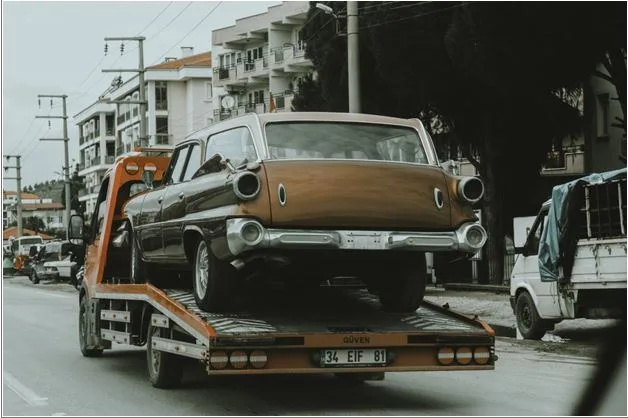
The tow truck pulling away can feel like the end of the accident scene. The police finish their work, everyone finds a way home, and the damaged vehicle disappears down the road. But for the owner, an entirely different process may be just beginning.
Where did the vehicle go? How much is storage costing? Who decides whether it’s repairable? When will the insurance company inspect it? And perhaps most immediately, how are you supposed to get to work tomorrow without a car?
These practical questions are a major part of dealing with car accident property damage. The physical crash may be over within seconds, but resolving everything involving the vehicle can take much longer and may involve tow yards, repair shops, insurers, rental companies, and plenty of paperwork.
First Find Out Where the Car Actually Went
After a serious collision, the vehicle may be taken to a tow yard rather than directly to a repair shop. Knowing exactly where it is located should become an early priority.
Storage can cost money. Depending on the circumstances, charges may accumulate while the vehicle remains at the facility. That makes it important to understand who authorized the tow, where the vehicle is being stored, and what needs to happen before it can be moved or released.
The insurance company may also want an opportunity to inspect the damage. An adjuster or appraiser might examine the vehicle at the storage facility or after it has been moved elsewhere.
Before anything changes, photographs can help document the vehicle’s condition. Capture the exterior damage from several angles along with the interior when relevant.
The damaged car isn’t simply waiting for repairs. At this stage, it can also be an important piece of evidence showing how the collision occurred and how severe the impact was.
Repairing the Car Isn’t Always the Answer
A vehicle can technically be repairable while still not making financial sense to repair.
Insurance companies generally compare the estimated cost of repairs with the vehicle’s value and other applicable factors when determining whether it should be repaired or treated as a total loss. The exact process and applicable standards can vary.
If repairs are appropriate, estimates may identify damaged parts, labor, paint work, and other necessary work. Additional damage can sometimes become apparent after the repair process begins and damaged components are removed.
A total-loss decision creates a different set of questions. How was the vehicle valued? Were its mileage, condition, features, and options accurately considered? What happens if there is still a loan on the vehicle?
Owners should review the information they’re given rather than focusing only on the final number. Understanding how the insurer reached its decision makes it easier to identify missing or incorrect details before the claim moves forward.
You Still Need to Get Around
The damaged car may sit in a tow yard or repair shop for days or weeks, but the owner’s life doesn’t stop with it. People still need to commute, take children to school, buy groceries, and get to medical appointments. That makes temporary transportation one of the first practical problems after many crashes.
A rental vehicle may be available depending on insurance coverage, responsibility for the accident, and other circumstances. The amount or duration of rental coverage can vary, so drivers should confirm what is actually authorized rather than assuming every rental expense will automatically be reimbursed.
Other people may use rideshares, taxis, public transportation, or borrowed vehicles instead. Whatever arrangement is necessary, keeping records can be useful.
Save rental documents, receipts, and other transportation expenses connected with losing access to the damaged vehicle. The repair bill isn’t necessarily the only financial consequence of having a car suddenly taken off the road.
Don’t Forget About Everything Inside the Car
When people think about vehicle damage, they naturally picture crushed bumpers, broken headlights, dented doors, and shattered glass. But a collision can damage property inside the vehicle too.
A laptop in the trunk may be broken. A child’s car seat may need attention or replacement depending on the circumstances and applicable manufacturer guidance. Tools, electronics, eyeglasses, or other belongings could also be damaged.
Aftermarket equipment deserves attention as well. Custom wheels, upgraded audio equipment, specialty accessories, or other modifications may affect questions about the vehicle or damaged property.
Photograph these items before throwing anything away when possible. Receipts, purchase records, photographs from before the collision, and repair documentation may help establish what the item was and its condition.
It’s also worth removing important personal belongings from the vehicle when access is permitted. Once a damaged car begins moving between tow yards, inspection facilities, repair shops, or salvage locations, retrieving forgotten property can become considerably less convenient.
Conclusion
The tow truck doesn’t make the vehicle problem disappear. It simply moves it somewhere else.
From that point forward, owners may need to deal with storage charges, insurance inspections, repair estimates, total-loss decisions, transportation arrangements, and damaged personal belongings. Each part can involve different companies and different paperwork.
Knowing where the vehicle is located is a good first step. Photographing the damage, keeping estimates and receipts, understanding insurance decisions, and documenting transportation expenses can make the process easier to follow.
It’s also important not to forget the property inside the vehicle or modifications that may not be obvious from a standard valuation.
A crash can make a car unusable in a matter of seconds. Sorting out what happens to that vehicle afterward is rarely as fast. Staying organized can prevent the property side of the accident from becoming another source of unnecessary confusion.