Villa Elevators: Adding Vertical Access to Multi-Level Homes
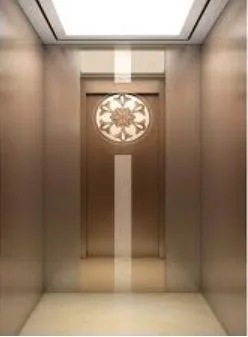
Multi-story villas increasingly include a dedicated elevator, not just as a luxury feature but as a practical solution for accessibility, convenience, and long-term property value. Villa elevators occupy a specific niche within residential elevator design — smaller and less complex than commercial systems, but often built with more attention to aesthetics and interior design integration than typical home elevators marketed for accessibility alone.
What Makes Villa Elevators Different
While the term overlaps significantly with “home elevator,” villa elevators are often marketed specifically toward larger, multi-story residential properties, particularly common in regions where villas represent a distinct housing category — spacious, standalone homes with two or more levels. This context tends to shape a few common characteristics:
- Design-forward aesthetics – Villa elevator often emphasize premium finishes, glass panels, and cab designs meant to serve as a visual centerpiece rather than a purely functional addition
- Moderate capacity – Sized for family use rather than commercial passenger volume, typically accommodating two to four people or a wheelchair user with assistance
- Compact footprint options – Many villa elevator designs prioritize minimal structural impact, appealing to homeowners retrofitting an elevator into an existing property
Common Villa Elevator Types
Hydraulic Villa Elevators Offer smooth, quiet operation and strong lifting capacity, though they require space for a hydraulic pump unit, typically housed in a nearby closet or utility space.
Traction Villa Elevators Use a cable and counterweight system, generally more energy-efficient than hydraulic systems and often preferred for their reduced space requirements and lower long-term operating costs.
Pneumatic (Vacuum) Villa Elevators Popular for retrofit installations due to their compact, self-contained cylindrical design, requiring minimal structural modification to the home — though typically limited to lower weight capacities and fewer stops than hydraulic or traction systems.
Screw-Drive Villa Elevators Use a rotating screw mechanism to move the cab along a fixed shaft, offering a simple, compact mechanical design well suited to lower-rise villa installations with limited space for a full machine room.
Key Design Considerations for Villa Elevators
Interior Integration Since villa elevators are often installed in visually prominent locations within the home, cab materials, lighting, flooring, and door styles are frequently chosen to complement the home’s broader interior design rather than defaulting to standard commercial finishes.
Glass and Panoramic Options Glass-walled villa elevators have become increasingly popular, particularly in open-plan homes or those with a central staircase area, allowing the elevator to serve as a visible architectural feature rather than an enclosed utility element.
Shaft and Structural Requirements Villa elevators need a dedicated shaft, whether built into new construction plans or added during a renovation. Confirming structural requirements — including load-bearing considerations for the shaft walls — is essential, particularly for retrofit installations into existing homes.
Number of Stops Most villa elevators serve two to four floors, matching typical villa layouts, though confirming a manufacturer’s system supports the specific number of stops and floor heights needed is an important early step in planning.
Key Factors to Consider When Choosing a Villa Elevator
New Construction vs. Retrofit Installing during initial construction allows more flexibility in shaft placement and elevator type selection, while retrofitting into an existing villa often favors more compact systems like pneumatic or screw-drive elevators that require less structural modification.
Safety Certifications Confirming compliance with relevant residential elevator safety standards for the region — covering emergency stop mechanisms, door interlocks, and backup power systems — is essential regardless of how the elevator is marketed aesthetically.
Noise Levels Since villa elevators typically operate within or adjacent to living spaces, quieter drive mechanisms are often prioritized over raw speed or capacity, unlike commercial elevator selection criteria.
Maintenance and Local Support Confirming a manufacturer or installer offers reliable local maintenance support is particularly important for villa elevators installed in less accessible or more remote residential locations compared to dense urban commercial buildings.
Questions Worth Asking a Manufacturer or Installer
- What elevator type and design best suits my villa’s number of floors and existing structure?
- What are the shaft and space requirements for this system?
- What safety certifications does this elevator meet for residential use in my region?
- What interior finish and customization options are available?
- What does the maintenance plan include, and what is the local service response time?
- Can you provide examples or references from similar villa installations?
Final Thoughts
Villa elevator combine the practical function of a home elevator with a stronger emphasis on interior design integration, reflecting their common placement as both an accessibility solution and a visible architectural feature within larger residential properties. Matching the elevator type to whether the installation is new construction or a retrofit, confirming safety certifications, and prioritizing quiet operation and aesthetic integration are all important steps in choosing the right system for a multi-story home.