What to Do When a Tooth Emergency Strikes
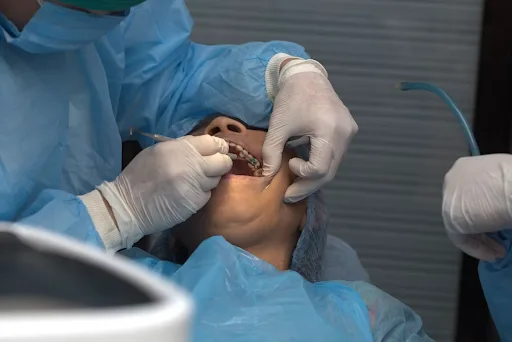
According to the American Dental Association’s 2023 emergency care data, dental emergencies account for over 2 million hospital emergency room visits annually — yet most of these cases could be better managed at specialized dental facilities. As healthcare costs continue rising and dental insurance coverage remains limited, knowing exactly where to turn during a tooth crisis has become increasingly critical for both immediate relief and long-term financial planning. The difference between appropriate emergency care and a costly ER visit that provides only temporary pain relief can mean thousands of dollars and weeks of delayed proper treatment.
For anyone facing severe tooth pain, dental trauma, or sudden oral health complications, understanding the landscape of emergency dental care — from immediate response steps to navigating treatment options — determines both the speed of recovery and the preservation of your oral health. The decisions made in those first crucial hours often shape whether a dental emergency becomes a manageable incident or evolves into a complex, expensive ordeal requiring extensive reconstruction.
What Are Common Dental Emergencies and How Should You Respond?
Dental emergencies fall into distinct categories, each requiring specific immediate actions that can mean the difference between saving and losing a tooth. Severe toothache represents the most frequent emergency, often signaling infection or nerve damage that demands prompt attention. When pain becomes unbearable or is accompanied by facial swelling, rinse with warm salt water, apply a cold compress to the outside of your cheek, and avoid placing aspirin directly on the gum tissue, which can cause chemical burns.
Dental trauma from sports injuries, falls, or accidents creates time-sensitive situations where quick thinking preserves teeth. A completely knocked-out permanent tooth has the highest chance of successful reimplantation if handled within 30 minutes. Hold the tooth by its crown (never the root), rinse gently with milk or saline if dirty, and attempt to reinsert it in the socket. If that’s impossible, store it in milk or between your cheek and gum while seeking immediate care.
Cracked or fractured teeth require careful assessment — small chips may wait for regular office hours, but fractures extending below the gum line or causing sharp pain need emergency intervention. Rinse your mouth with warm water, save any tooth fragments, and use gauze to control bleeding. Similarly, loose teeth from trauma should be gently repositioned if possible and held in place with moist gauze until professional care arrives.
Uncontrolled bleeding or severe gum swelling often indicates advanced infection that can spread rapidly. Apply firm pressure with clean gauze for 10-15 minutes, use ice packs externally to reduce swelling, and monitor for fever or difficulty swallowing — signs that infection may be affecting deeper tissues requiring immediate medical attention beyond standard dental care.
How Does Emergency Dental Care Differ from Routine and Hospital Care?
Emergency dental care operates under fundamentally different protocols than routine dentistry, prioritizing immediate stabilization and pain relief over comprehensive treatment planning. While your regular dentist focuses on prevention, thorough examination, and long-term oral health strategies during scheduled appointments, emergency providers concentrate on addressing acute symptoms and preventing further damage until definitive care can be arranged.
The treatment approach in emergency settings emphasizes rapid assessment and intervention. Pain management becomes the primary concern, often involving stronger medications and more aggressive techniques than typical cleanings or routine procedures. Emergency dentists may perform temporary restorations, emergency extractions, or drainage procedures to eliminate infection sources — treatments designed to provide immediate relief rather than perfect aesthetics or long-term durability.
When to Choose Emergency Dental Clinics versus Hospitals
Hospital emergency rooms excel at managing life-threatening conditions but lack specialized dental equipment and expertise for most oral health crises. Choose hospital care when dental emergencies involve facial trauma with suspected fractures, difficulty breathing or swallowing, uncontrolled bleeding, or signs of serious infection like high fever, facial swelling extending to the eyes, or difficulty opening your mouth.
Emergency dental clinics handle the vast majority of urgent oral health needs more effectively and affordably. These facilities possess specialized equipment for dental X-rays, root canal therapy, tooth extraction, and temporary restorations that hospitals typically cannot provide. For severe toothache, knocked-out teeth, dental abscesses, or broken crowns, dedicated dental emergency services offer both superior treatment options and significantly lower costs than hospital emergency departments.
Differences Between Emergency and Routine Dental Procedures
Emergency procedures focus on immediate problem-solving rather than comprehensive care coordination. A routine filling involves careful preparation, multiple material options, and precise shaping for optimal function and appearance. An emergency filling prioritizes stopping pain and preventing further decay using readily available materials that may require replacement during follow-up care.
Similarly, emergency extractions concentrate on removing problematic teeth quickly to eliminate infection sources, while routine extractions include detailed planning for future tooth replacement options. Emergency treatments often represent the first phase of multi-step care plans that continue with your regular dentist once the acute crisis resolves.
What Special Considerations Are Needed for Children, Pregnant Women, and Seniors?
Vulnerable populations require modified approaches to emergency dental care that account for unique physiological factors and treatment limitations. Pediatric patients experience dental emergencies differently than adults, with developing teeth and jaws presenting distinct challenges that influence both diagnosis and treatment options. Pregnant women face restrictions on certain medications and imaging procedures, while older adults often manage multiple health conditions that complicate emergency dental treatment decisions.
Emergency Dental Care for Children
Children’s emergency dental needs differ significantly from adult cases due to the presence of both primary and permanent teeth, ongoing jaw development, and behavioral factors that affect treatment cooperation. Knocked-out primary teeth are typically not reimplanted to avoid damage to developing permanent teeth beneath, while permanent tooth avulsion in children requires the same urgent reimplantation efforts as adult cases.
Pain management in pediatric emergencies requires weight-based medication dosing and child-friendly administration methods. Many emergency dental clinics maintain specialized equipment sized for smaller mouths and employ behavior management techniques like nitrous oxide to help anxious children cooperate during urgent procedures. Parents should bring comfort items and be prepared to assist with positioning and reassurance throughout the emergency visit.
Guidelines for Emergency Dental Care During Pregnancy and Older Adults
Pregnant women can safely receive most emergency dental treatments, particularly during the second trimester when morning sickness has subsided and the risk of preterm labor remains low. However, X-ray exposure should be minimized using lead aprons, and certain antibiotics like tetracycline must be avoided due to potential effects on fetal development. Urgent dental care services often coordinate with obstetricians when complex cases arise during pregnancy.
Senior patients frequently take multiple medications that can interact with emergency dental treatments or affect healing processes. Blood thinners may increase bleeding risks during extractions, while conditions like diabetes can slow healing and increase infection susceptibility. Emergency providers must review complete medical histories and may need to coordinate with physicians before proceeding with certain procedures, potentially requiring modified treatment approaches or additional monitoring during recovery.
How Can Pain Be Managed and Infections Prevented in Emergencies?
Pain control in dental emergencies involves both immediate relief strategies and longer-term management approaches that bridge the gap between emergency treatment and definitive care. Emergency providers typically employ stronger analgesics than routine dental practices, often combining over-the-counter medications like ibuprofen with prescription pain relievers for maximum effectiveness. The anti-inflammatory properties of NSAIDs prove particularly valuable in reducing swelling and nerve irritation that contribute to severe dental pain.
Infection prevention and control becomes critical when emergency treatments involve exposure to infected tissue or compromised sterile fields. Emergency dental facilities follow strict protocols for instrument sterilization, surgical site preparation, and post-procedural care instructions that minimize bacterial contamination risks. Antibiotic prophylaxis may be prescribed for patients with certain heart conditions, joint replacements, or compromised immune systems who face elevated infection risks from dental procedures.
Topical anesthetics provide immediate surface numbing for initial examination and treatment preparation, while local anesthetic injections enable more extensive procedures like emergency extractions or pulpotomy treatments. Emergency providers often use longer-acting anesthetic agents that extend numbness beyond the procedure to provide several hours of continued pain relief while prescribed medications take effect.
The combination of proper pain management and infection control creates optimal conditions for healing while preventing emergency situations from progressing to more serious complications requiring hospitalization or extensive surgical intervention.
What Challenges Exist in Accessing Emergency Dental Care and Handling Costs?
Insurance coverage for emergency dental care varies dramatically depending on plan specifics, with many policies providing limited after-hours benefits or requiring pre-authorization that becomes impossible during true emergencies. Dental insurance typically covers a smaller percentage of emergency procedures compared to routine care, and annual benefit maximums can be exhausted quickly when emergency treatments require expensive procedures like root canals or emergency extractions followed by immediate replacement planning.
Geographic accessibility poses significant challenges in rural areas where emergency dental services may be hours away, forcing patients to choose between hospital emergency rooms with limited dental capabilities or traveling long distances while experiencing severe pain. Urban areas offer more options but often at premium pricing, particularly for weekend or holiday emergency services when regular dental offices remain closed.
Patients without dental insurance face the greatest financial challenges, with emergency visits often costing $300-800 before any treatment begins. Many emergency dental clinics offer payment plans or work with third-party financing companies to make urgent care accessible, though high interest rates can make these options expensive long-term solutions. Community health centers and dental schools sometimes provide lower-cost emergency services, but availability varies and wait times may not accommodate true urgent situations.
The intersection of cost, timing, and treatment quality creates complex decisions for patients experiencing dental emergencies. Understanding available resources, insurance limitations, and alternative payment options before an emergency strikes enables faster decision-making when pain and stress compromise clear thinking. The goal becomes balancing immediate relief needs with long-term financial and oral health consequences, recognizing that delaying appropriate emergency care often leads to more expensive and extensive treatment requirements later.
As dental emergency protocols continue evolving with new pain management techniques and expanded after-hours access options, the key lies in preparing for these situations before they occur — researching local emergency providers, understanding your insurance benefits, and maintaining updated emergency contact information for both dental and medical care providers.