What to Expect During Your Child’s Tooth Crown Appointment
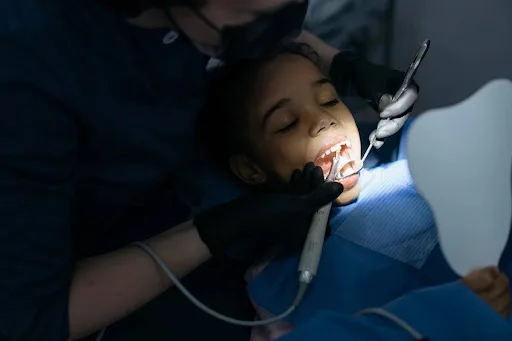
When your pediatric dentist mentions that your child needs a crown, the natural response is often worry mixed with confusion. According to the American Academy of Pediatric Dentistry’s 2024 guidelines, crowns are now recommended for roughly 40% of children who need restorative dental work — a significant increase from previous decades as dentists prioritize preserving baby teeth rather than extracting them. This shift reflects growing understanding of how early tooth loss affects speech development, proper chewing, and the alignment of permanent teeth.
The reality is that baby teeth serve as crucial placeholders until permanent teeth emerge, sometimes not until age 12 or 13. When decay or injury damages these teeth significantly, crowns offer the best chance of maintaining that space and function. For parents facing this procedure, understanding the clinical process, material options, and what their child will experience can transform anxiety into confidence. The appointment itself typically unfolds in predictable stages, each designed with a child’s comfort and cooperation in mind.
How Pediatric Dentists Prepare Teeth and Place Crowns
The crown placement process for children differs substantially from adult procedures, requiring specialized techniques that account for smaller mouths, shorter attention spans, and the unique structure of baby teeth. Most pediatric dentists complete the entire procedure in a single visit, recognizing that multiple appointments often increase rather than decrease a child’s anxiety.
Tooth Preparation and Taking Impressions
The procedure begins with numbing the area around the affected tooth using topical anesthetic followed by a small injection. Pediatric dentists typically use flavored topical gels and smaller needles to minimize discomfort, often describing the numbing sensation to children as “making your tooth take a little nap.” Once the area is properly anesthetized, the dentist removes any remaining decay and shapes the tooth to accommodate the crown.
This preparation involves carefully reducing the tooth’s size while preserving as much healthy structure as possible. Baby teeth have thinner enamel than permanent teeth, so the process requires precision to avoid exposing the nerve. The dentist then takes an impression of the prepared tooth and surrounding teeth, either using traditional putty-like material or increasingly common digital scanners that create 3D models in real-time. Children often find the digital scanning process fascinating, watching their tooth appear on a computer screen, which helps maintain their cooperation throughout the appointment.
Crown Fitting and Finishing Touches
With the impression complete, the dentist selects the appropriate crown size and makes any necessary adjustments. Pre-fabricated crowns come in standard sizes that dentists trim and contour to match each child’s unique tooth anatomy. The fitting process involves checking the crown’s height against the opposing teeth to ensure proper bite alignment — crucial for preventing jaw problems as the child grows.
Once properly fitted, the crown is cemented in place using dental adhesive specifically formulated for primary teeth. The dentist removes excess cement and polishes the crown’s margins where it meets the natural tooth. A final bite check ensures the child can close their mouth comfortably without the crown interfering with normal jaw movement. Most children report that the crowned tooth feels “different but not bad” immediately after placement, with complete adjustment typically occurring within 24-48 hours.
Materials and Types of Crowns Used for Children
The choice of crown material significantly impacts both the procedure’s success and the child’s experience wearing the crown. Pediatric dentists primarily use two types of crowns, each offering distinct advantages depending on the tooth’s location and the family’s priorities regarding appearance and durability.
Stainless Steel and Composite Resin Crowns
Stainless steel crowns remain the gold standard for pediatric dentistry due to their exceptional durability and proven track record. These pre-fabricated crowns resist wear from grinding and clenching — common behaviors in children — and rarely require replacement before the baby tooth naturally falls out. The material’s strength makes it particularly suitable for back molars that endure significant chewing forces.
Composite resin crowns, while less durable than stainless steel, offer improved aesthetics through tooth-colored materials that blend with natural teeth. These crowns work well for front teeth where appearance matters most, though they may show more wear over time and occasionally require replacement. Recent advances in composite technology have improved their longevity, making them a viable option for many situations where parents prioritize natural appearance.
Esthetic Considerations and Longevity
Many parents initially resist stainless steel crowns due to their metallic appearance, particularly for front teeth. However, white-facing stainless steel crowns combine the durability of metal with a tooth-colored front surface, offering a compromise between aesthetics and function. These hybrid crowns typically last longer than pure composite options while maintaining a more natural appearance than traditional stainless steel.
The longevity equation becomes particularly important when considering that baby teeth may remain in place for several years after crown placement. A crown placed on a six-year-old’s molar might need to function until age 12 or 13. Quality pediatric dental crowns in Santa Clara and similar programs often provide detailed material consultations to help families weigh these trade-offs based on their child’s specific needs and timeline for natural tooth loss.
How to Prepare Your Child for the Tooth Crown Appointment
Successfully preparing a child for a crown procedure involves honest communication combined with age-appropriate explanations that build confidence rather than fear. Most pediatric dentists recommend having this conversation 2-3 days before the appointment — early enough for the child to mentally prepare, but not so far in advance that anxiety builds unnecessarily.
Effective preparation starts with explaining the procedure in child-friendly terms. Many dentists suggest describing the crown as a “special hat” or “helmet” that protects the tooth, emphasizing the protective rather than medical aspects. Reading children’s books about dental visits or watching educational videos designed for pediatric patients can help normalize the experience. Some families find success in role-playing the appointment at home, taking turns being the dentist and patient.
The morning of the appointment, maintain normal routines while ensuring your child eats a good meal beforehand, as they may experience some numbness for several hours afterward. Bring comfort items like a favorite toy or tablet for distraction during waiting periods. Most importantly, project confidence and calmness — children quickly pick up on parental anxiety, which can escalate their own fears. Pediatric dental offices typically encourage parents to stay in the treatment room, understanding that familiar presence often helps children cooperate more effectively throughout the procedure.
Risks and Benefits of Tooth Crowns for Children
Crowns offer substantial benefits for children’s oral health, primarily by preserving baby teeth that might otherwise require extraction due to extensive decay or injury. Maintaining these natural teeth supports proper chewing function, speech development, and serves as crucial space maintainers for permanent teeth developing underneath. Children with crowns typically experience improved comfort compared to damaged teeth, allowing them to eat normally and participate fully in activities without dental pain.
The procedure itself carries minimal risks when performed by experienced pediatric dentists. The most common complications include temporary sensitivity following placement and occasional crown loosening or displacement, particularly if children chew on hard objects or experience trauma to the mouth. Very rarely, the underlying tooth may develop problems requiring additional treatment, though this risk exists with any restorative dental procedure.
Long-term benefits significantly outweigh these minimal risks for most children. Studies tracking pediatric crown patients show successful outcomes in over 95% of cases, with crowns remaining functional until natural tooth loss occurs. Early intervention with crowns often prevents more complex and expensive treatments later, while preserving the child’s ability to maintain good nutrition through proper chewing function. The psychological benefits of pain-free eating and normal appearance also contribute to overall well-being during crucial developmental years.
Aftercare and Maintenance for Your Child’s Tooth Crown
Caring for a crowned tooth requires the same diligent hygiene practices as natural teeth, with some additional considerations to ensure the crown’s longevity. Regular brushing with fluoride toothpaste remains essential, paying particular attention to the gum line where the crown meets the natural tooth. This junction can accumulate plaque if not properly cleaned, potentially leading to gum irritation or decay around the crown’s edges.
Children should avoid chewing ice, hard candies, or using their teeth as tools to open packages — behaviors that can damage or dislodge crowns. Sticky foods like caramels or gummy candies pose particular risks, as they can pull crowns loose. If your child grinds their teeth at night, discuss protective options with your dentist, as excessive grinding can compromise crown integrity over time.
Most children experience complete adaptation to their crown within a week of placement. Watch for signs that might indicate problems: persistent pain beyond the first few days, sensitivity to temperature that worsens rather than improves, or visible changes in the crown’s position. Regular dental checkups every six months allow your dentist to monitor the crown’s condition and address any issues before they become problematic. With proper care, most pediatric crowns successfully protect baby teeth until they naturally fall out, having served their crucial role in your child’s oral development.