What to Know Before Buying an Electric Tricycle for Adults
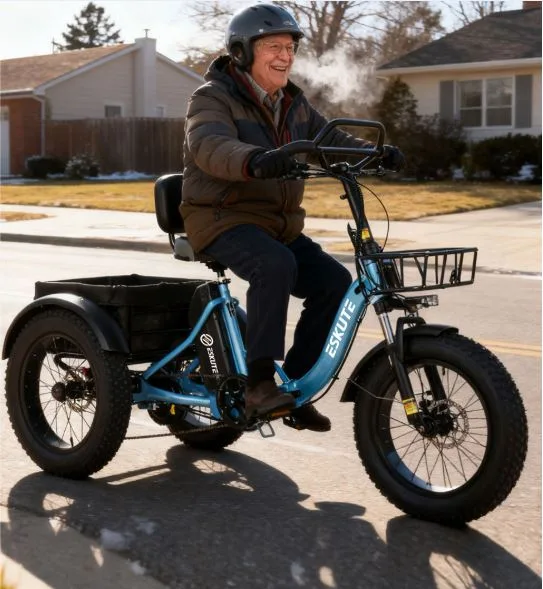
Electric mobility is reshaping how adults get around, and the market for e-bikes and electric tricycles has never been more dynamic. Whether you’re navigating city streets, running errands, or simply looking for a more enjoyable way to stay active, electric tricycles have emerged as one of the most accessible and practical options available today.
For first-time buyers, the sheer number of choices can feel overwhelming. Which motor is powerful enough? How far will the battery actually take you? Is assembly something you can handle on your own? These are real questions that deserve clear, honest answers before you commit to a purchase.
This guide is designed to walk you through everything that matters. We’ll cover the core benefits of electric tricycles for adult riders, break down the key features to evaluate — including battery capacity and motor power — and provide a straightforward look at assembly. We’ll also spotlight what to look for in reputable brands and wrap up with a practical buying checklist. By the end, you’ll have the knowledge and confidence to make a smart, well-informed decision.
Why Electric Tricycles Are Ideal for Adult Riders
Stability and Safety Benefits for New Riders
For anyone stepping into electric mobility for the first time, confidence matters as much as performance. Unlike two-wheeled bikes, electric tricycles feature a three-wheel design that eliminates the need to balance while stationary or at low speeds. This makes them especially appealing to older adults, those returning to cycling after a long break, or anyone who simply doesn’t feel comfortable on a standard bicycle. The wider base distributes weight evenly, reducing the risk of tipping during sharp turns or sudden stops. Many models also include a rear cargo basket or platform that sits low to the ground, further lowering the center of gravity and improving overall ride stability. For riders with joint concerns or limited mobility, the upright seating position common in adult tricycles reduces strain on the knees and back, making longer rides genuinely comfortable rather than taxing.
Versatility for Various Lifestyles
Electric tricycles aren’t a one-size-fits-all solution — they’re a flexible one. Urban commuters appreciate the ability to navigate traffic and park without the hassle of a car, while suburban riders find them ideal for short errands like grocery runs, thanks to built-in cargo space. Recreational riders use them on bike paths and greenways, enjoying the electric assist on longer routes without arriving exhausted. For adults managing physical limitations, the pedal-assist feature allows them to stay active on their own terms, choosing how much effort to put in on any given day. Whether you’re replacing a car for short trips, supplementing public transit, or simply looking for a more engaging way to get outdoors, an electric tricycle fits naturally into a wide range of daily routines without demanding a dramatic lifestyle change.
Essential Features to Evaluate: Battery Capacity and Motor Power
Understanding Battery Capacity and Range
Battery capacity is measured in watt-hours (Wh), and it’s one of the most important numbers to understand before buying. A higher Wh rating generally means more range per charge, but real-world distance depends on several variables — your weight, terrain, how much you use pedal assist versus full electric mode, and even ambient temperature. A 48V 15Ah battery, for example, delivers 720Wh of energy, which can realistically carry most adult riders between 40 and 70 miles on a single charge under mixed conditions. To get the most out of your battery, avoid draining it completely before recharging, store the tricycle in moderate temperatures when not in use, and use lower assist levels on flat terrain to conserve energy for hills. For daily commuters covering 10 to 20 miles round-trip, a mid-range battery offers plenty of buffer. Recreational riders who take longer weekend routes should prioritize higher capacity models to avoid range anxiety mid-ride.
Motor Power: What You Need for Your Commute
Motor power, rated in watts, determines how well your electric tricycle handles real-world demands like inclines, headwinds, and heavier loads. Most adult electric tricycles use hub motors — either front or rear — with power ratings commonly ranging from 250W to 750W. A 250W motor is sufficient for flat urban environments, but if your commute involves hills or you plan to carry cargo regularly, a 500W or 750W motor makes a noticeable difference in performance and rider comfort. Rear hub motors tend to provide better traction and a more natural riding feel compared to front-mounted alternatives. Beyond raw wattage, pay attention to torque, measured in Newton-meters (Nm), which reflects the motor’s pulling power from a standstill — crucial for tricycles loaded with groceries or navigating steep driveways. Matching motor power to your specific riding conditions, rather than simply choosing the highest number available, ensures you get efficient performance without unnecessarily draining your battery on everyday routes.
Mastering Electric Bike Assembly for First-Timers
The Appeal of Easy Assembly E-Bikes
One of the most underappreciated selling points of modern electric tricycles is how much manufacturers have simplified the setup process. Many models now arrive 85 to 90 percent pre-assembled, meaning the bulk of the mechanical work is done before the box even reaches your door. For first-time buyers, this matters enormously. The anxiety of staring at a pile of parts with a thin instruction manual is a real deterrent, and brands that prioritize easy assembly e-bikes remove that friction entirely. Beyond convenience, simplified assembly also reduces the chance of user error — improperly installed components can affect both performance and safety. When evaluating a purchase, look for models that clearly advertise minimal setup steps, include all necessary tools in the box, and provide video tutorials or QR-coded instructions alongside the manual. These small details signal that a manufacturer has thought carefully about the buyer’s full experience, not just the ride itself.
Step-by-Step Guide to Assembling Your Electric Tricycle
Most electric tricycle assembly follows a predictable sequence that you can complete in 30 to 60 minutes with basic tools. Start by carefully unboxing the tricycle and laying all components on a flat surface — handlebars, front wheel, pedals, battery, and any accessories like baskets or fenders. Check the parts list against what’s included before touching a single bolt. Next, attach the front wheel by aligning it with the fork dropouts and tightening the axle nuts firmly but without over-torquing. Slide the handlebar stem into the head tube and secure it at your preferred riding height. Install the pedals, remembering that the left pedal is reverse-threaded — turn it counterclockwise to tighten. Once the physical frame is assembled, slide the battery into its mount until you hear it click into place, then connect the motor and display cables by matching the color-coded connectors. Before your first ride, run through a safety check: squeeze both brakes to confirm responsiveness, spin the wheels to ensure they rotate freely without rubbing, power on the display to verify battery level, and test the throttle and pedal-assist modes at low speed in a safe space. The tools you’ll typically need are a 15mm wrench for the wheel axle, a hex key set for stem and handlebar bolts, and a pedal wrench — all usually included in the box.
Common Challenges and How to Overcome Them
Even with straightforward instructions, a few snags are common during electric bike assembly. Loose or misaligned brake cables are the most frequent issue — if the brakes feel spongy after setup, locate the barrel adjuster on the brake lever and turn it counterclockwise in small increments until the pads engage firmly. Battery connection problems can also arise if the connector pins aren’t fully seated; always power down completely before reseating the battery and checking that the locking mechanism has engaged. If the display doesn’t power on after connecting the cables, double-check that all connectors are matched correctly and that the battery has sufficient charge. For any issue involving the motor wiring or electrical system that isn’t immediately obvious, resist the urge to force connections or improvise solutions. Most reputable brands offer customer support lines and warranty-backed service — contacting them directly is always faster and safer than guessing. Keeping the assembly manual and warranty documentation in one place from day one makes any future troubleshooting significantly easier.
Making an Informed Choice: Brands and Buying Tips
Spotlight on ESKUTE Electric Bikes: Features and Reviews
ESKUTE has built a reputation among adult riders for delivering reliable electric bikes and tricycles that balance performance with accessibility. Their models consistently receive praise for battery efficiency, with riders noting that real-world range aligns closely with advertised figures — a credibility marker that not all brands can claim. Assembly is another area where ESKUTE stands out; most units arrive largely pre-assembled with clearly written instructions and responsive customer support if questions arise. User reviews frequently highlight the quality of the motor performance on varied terrain and the intuitive display interface, which makes managing assist levels straightforward even for first-time e-bike riders. When comparing brands, ESKUTE’s combination of transparent specifications, solid warranty coverage, and accessible after-sales service makes it a strong benchmark against which to measure other options in the market.
Final Checklist Before You Buy
Before committing to a purchase, work through these practical steps. First, assess your actual riding needs — daily commute distance, typical terrain, and whether you’ll carry cargo regularly. Second, compare battery capacity and motor power across shortlisted models to confirm they match those conditions. Third, read verified customer reviews focusing on long-term reliability rather than first impressions alone. Fourth, confirm the warranty terms cover both the battery and motor, as these are the most costly components to replace. Finally, factor in assembly requirements and ongoing maintenance — check whether local service centers support the brand, and ensure replacement parts are readily available. A purchase that checks all these boxes will serve you well beyond the first ride.
Your Path to the Right Electric Tricycle
Choosing the right electric tricycle comes down to understanding a handful of factors that genuinely affect your day-to-day experience. Battery capacity determines how far you can go on a single charge, while motor power shapes how well your tricycle handles hills, headwinds, and heavier loads. Assembly ease matters more than most buyers anticipate — a model that arrives largely pre-built with clear instructions saves time and reduces the risk of setup errors that could affect safety. And selecting a brand with transparent specifications, solid warranty coverage, and accessible customer support gives you protection well beyond the initial purchase.
Electric tricycles for adults aren’t just a trend — they’re a practical, sustainable solution for commuting, running errands, and staying active without placing undue strain on your body. The three-wheel design offers a level of stability and confidence that opens up electric mobility to a wider range of riders, including those who might never have considered a traditional bicycle.
Use the checklist and guidance in this article as your starting point. Assess your actual riding needs, compare models with those requirements in mind, and don’t overlook long-term reliability when reading reviews. With the right information in hand, you’re fully equipped to make a purchase you’ll be satisfied with for years to come.