What’s Really Flowing Out of Your Tap?
Municipal water treatment is what stands between a polluted river and the glass of clean water sitting on your kitchen counter, and most people have never given the process a second thought. Water leaves a lake, reservoir, or aquifer and arrives at your faucet hours or days later, clear and safe to drink, thanks entirely to a layered system known as municipal water treatment. The technology has evolved dramatically over the past century, and the rise of ozone-treated water alongside newer water treatment solutions has changed what is possible at both the city and household level. Understanding how municipal water treatment works, what it cannot fully solve, and how to spot warning signs in your own home is worth the few minutes it takes to learn.
How Municipal Water Treatment Actually Works
Municipal water treatment begins long before water reaches a treatment plant. Source protection, watershed monitoring, and intake design all influence how clean the incoming water is and how much work the plant has to do. Surface water from rivers and reservoirs typically carries sediment, organic matter, and runoff. Groundwater pulled from aquifers tends to be clearer but can contain dissolved minerals, naturally occurring contaminants, and traces of pollutants from nearby land use. Every municipal water treatment facility builds its design around these specific challenges, which is why no two municipal water treatment plants look exactly alike.
Once source water arrives at the municipal water treatment plant, it enters a structured sequence of cleaning steps. The exact recipe varies, but the underlying logic stays the same across municipal water treatment systems worldwide. Solids are separated first, then chemistry is adjusted, then pathogens are neutralized. Each stage of municipal water treatment supports the next, and skipping or shortcutting any of them leaves a gap that later stages cannot fully close.
The Stages Inside a Treatment Plant
Coagulation and Flocculation
The first active stage in municipal water treatment is coagulation. Chemicals like aluminum sulfate are added to the incoming water, neutralizing the electrical charges that keep fine particles suspended. Flocculation follows with slow, gentle mixing that allows those particles to bond into larger clumps called floc. Without this preparation, the rest of the municipal water treatment process would struggle to capture organic matter, microorganisms, and microscopic debris. Coagulation may look simple from the outside, but it sets the tone for everything that follows in municipal water treatment.
Sedimentation and Filtration
Gravity does the next round of work in municipal water treatment. The water sits in large basins where the floc settles to the bottom, leaving clearer water above. That water then passes through filters made from sand, gravel, and often activated carbon, which capture finer particles and start addressing dissolved contaminants. Together, these two stages remove the vast majority of physical impurities, setting up the final layer of municipal water treatment. Without effective sedimentation and filtration, even the most advanced municipal water treatment chemistry would struggle to keep up.
Disinfection and the Rise of Ozone-Treated Water
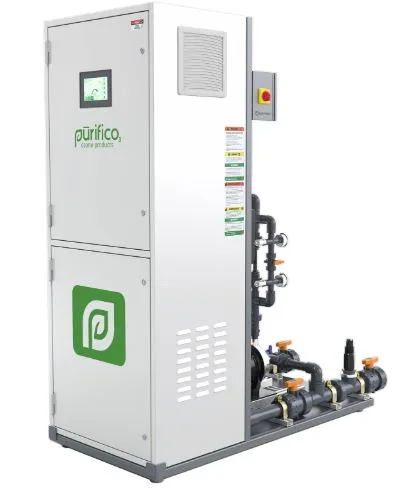
Disinfection is the last critical step in municipal water treatment, and it is where the biggest changes have happened in recent years. Chlorine has been the workhorse of municipal water treatment for over a century, killing pathogens and leaving a small residual to keep water safe through the distribution system. Newer methods now share that work, with ozone-treated water becoming an increasingly common output of advanced facilities. Ozone is a powerful oxidant that breaks down bacteria, viruses, and complex organic compounds faster than chlorine, and ozone-treated water has the advantage of carrying no residual taste or chemical smell. Cities looking to upgrade their municipal water treatment systems often add ozone to handle emerging contaminants that older designs were never built to address. The growing reliance on ozone-treated water is one of the clearest signals that municipal water treatment is moving toward smarter, cleaner methods.
Signs Something Might Be Wrong With Your Water
Even with strong municipal water treatment, problems can still show up at your tap. Spotting them early is the easiest way to take advantage of everything municipal water treatment does well while addressing the small share of issues it cannot reach. The most common warning sign is a change in appearance. Cloudy water, brown or yellow tints, or floating particles usually point to disturbances in the distribution system, aging pipes, or maintenance work on nearby water mains. A short period of discoloration after construction is often harmless, but persistent issues are worth reporting to your local municipal water treatment utility.
Smell is another important clue. A strong chlorine odor sometimes follows a routine system flush, but a sulfur or rotten-egg smell usually signals bacterial growth in pipes or a water heater. A metallic or oily odor may indicate contact with older plumbing materials, including lead service lines still present in some neighborhoods despite ongoing municipal water treatment upgrades. Sudden, unfamiliar tastes also deserve attention, since they often point to something developing between the plant and your faucet rather than at the source of municipal water treatment.
Physical signs around your home matter too. Skin irritation, dry hair after showering, scale buildup on fixtures, cloudy ice cubes, or white residue on cookware all suggest hardness or minerals that municipal water treatment is not designed to fully remove at the city level. These signs do not mean the water is unsafe, but they do reveal where additional water treatment solutions inside the home can make a real difference.
When Home Water Treatment Solutions Make Sense
Municipal water treatment delivers water that meets federal and state safety standards, yet what flows out of your faucet is also shaped by the pipes, fixtures, and conditions inside your home. That is where a wide range of water treatment solutions comes in. Carbon filters tackle chlorine taste and odor, reverse osmosis systems remove dissolved contaminants, water softeners reduce hardness, and whole-house ozone units produce ozone-treated water for an entire home using the same chemistry trusted by municipal water treatment plants. These home setups do not replace municipal water treatment, but they extend its reach into corners of your plumbing the city cannot control.
Most people interested in water quality fall into one of three camps. The first wants better-tasting drinking water and reaches for simple pitcher or under-sink filters. The second worries about specific contaminants such as lead, PFAS, or pesticides and invests in more advanced multi-stage water treatment solutions. The third is drawn to the underlying technology and explores systems that bring municipal water treatment processes into the home. That last group often gravitates toward ozone-treated water systems because they replicate, at a smaller scale, the same oxidation power used in modern municipal water treatment.
The Future of Cleaner Tap Water
Municipal water treatment will continue evolving as climate change, aging infrastructure, and emerging contaminants reshape what utilities must manage. Smart monitoring, advanced oxidation, and reuse strategies are already changing how municipal water treatment is designed, and the same technologies tend to filter down into home water treatment solutions within a few years. Ozone-treated water in particular sits at the center of that trend, bridging the gap between what large utilities deliver and what households can build on top of it. The more people understand about how municipal water treatment works, the easier it becomes to spot issues at the tap, ask the right questions of their utility, and choose water treatment solutions that genuinely improve daily life.