Who May Be Responsible for Injuries Caused by a Recalled Drug or Medical Device?
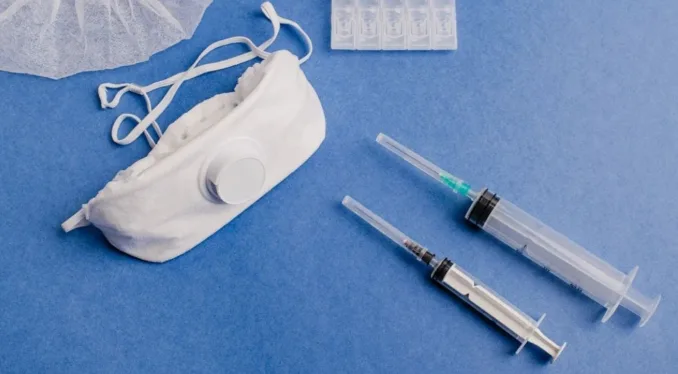
A product made to protect your health can sometimes become the source of a serious injury. A faulty device, contaminated medicine, or missing safety warning can change the course of treatment and leave a person facing extra medical care and financial loss.
A drugs & medical devices recall may alert the public to a safety problem, but a recall alone does not answer the harder question of responsibility. Several parties may have played a role in bringing a harmful product to patients. Here are the parties that may be involved and the factors that can affect responsibility.
Why Are Drugs and Medical Devices Recalled?
Recalls can happen after a company, government agency, healthcare provider, or other party discovers a safety problem. The issue may involve how a product was made, how it was designed, or the information given to people who use it.
Some recalls involve contamination or a defect found during manufacturing. Others may involve a design that creates an unreasonable risk or instructions that fail to give users enough warning about a known danger. A problem may also come to light after a product has already been widely used.
A recall is an important safety action, but it does not automatically establish that every injury linked to the product was caused by negligence or a legal defect. The facts surrounding each injury still matter.
Understanding Liability for Recalled Product Injuries
Drug or Medical Device Manufacturer
The manufacturer may be responsible if a defective product caused an injury. Possible issues can include a manufacturing mistake, unsafe design, or failure to provide proper safety warnings.
A company may also face questions about what it knew about a product’s risks and what action it took after receiving reports of problems. The specific facts and applicable product liability laws determine whether a claim may exist.
Distributors and Sellers
Manufacturers are not always the only businesses involved. A product may pass through distributors, wholesalers, pharmacies, hospitals, or other sellers before reaching the patient.
Responsibility may depend on what each party did and whether its actions contributed to the injury. State law can also affect which parties may be held responsible for a defective product.
Healthcare Providers
A doctor, nurse, pharmacist, or another healthcare professional may be involved in some cases. Questions can arise if a product was prescribed, administered, or used in a way that did not meet the required standard of care.
However, a product recall does not automatically mean that the healthcare provider acted improperly. The cause of the injury and the provider’s role must be considered separately.
Suppliers and Other Companies
Some products contain parts, ingredients, or materials supplied by other businesses. A problem with one of those components may contribute to an injury.
Contract manufacturers and other companies involved in making or supplying the product may also become part of a legal claim, depending on their role and the facts involved.
What Injuries May Lead to a Claim?
A recalled product can cause different types of harm. The seriousness of the injury may depend on the product, the defect, how it was used, and the person’s health.
Possible losses may include:
- Additional medical treatment or surgery
- Physical injuries or illness
- Long-term health problems
- Lost wages or reduced ability to work
- Pain and suffering
- Other financial losses linked to the injury
Not every injury connected to a recalled product will result in the same type of claim. Medical records and other case facts can help show what happened and what losses followed.
How Can Responsibility Be Determined?
Finding the responsible party often requires looking at the full chain of events rather than focusing only on the recall notice. The product itself, the reason for the recall, the way it was supplied, and the treatment received may all matter.
Records can also help establish important facts. These may include prescriptions, medical records, purchase information, product packaging, lot numbers, recall notices, and records of related expenses. Keeping these materials can make it easier to review what happened.
The timing of the recall may also matter. A product may have been used before the public was notified, or a company may have received reports of problems before the recall was announced. These details can affect how a case is examined.
What Should You Do After an Injury?
Anyone who believes a recalled drug or medical device caused an injury should seek appropriate medical care and follow instructions from their healthcare provider. It is also helpful to keep records connected to the product and the injury.
Do not throw away the product, packaging, prescription information, or other related records unless a professional tells you that they are no longer needed. These materials may contain details that help identify the product and its use.
The drugs & medical devices recall issue can involve several parties, and determining responsibility requires a careful review of the facts. A qualified legal professional can assess the circumstances and explain what options may be available under the applicable law.
Looking at the Full Chain of Responsibility
A recalled product does not point to one responsible party in every case. The manufacturer may be involved, but distributors, sellers, healthcare providers, suppliers, or other companies may also have a role.
The key is to look at what happened from production to treatment and identify how the alleged defect or error contributed to the injury. That approach keeps the focus on the facts instead of assuming responsibility based only on the existence of a recall.