Why Businesses Need an Event Management App for Successful Events?
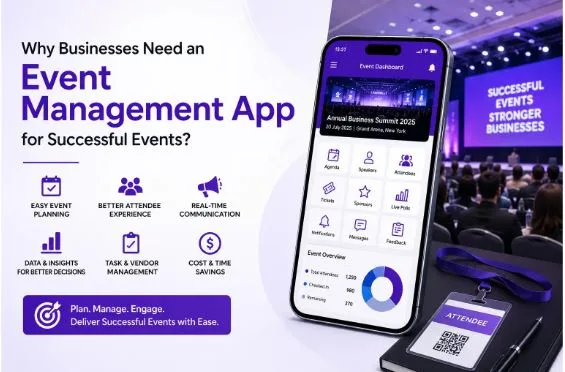
Business events have become more demanding than ever before. Companies now manage conferences, trade shows, networking sessions, product launches, and hybrid events throughout the year. At the same time, attendees expect smooth registrations, timely updates, and personalized experiences.
Managing all these moving parts manually can create delays, confusion, and unnecessary costs. Even a small mistake can affect the overall event experience and impact business goals. This is why many organizations are turning to event management apps. These solutions help businesses organize tasks, improve communication, and keep every aspect of an event under control.
Beyond convenience, event management apps also help companies create better experiences for attendees while improving operational efficiency. Understanding these benefits explains why such apps have become an essential part of successful event planning.
Key Benefits of Using an Event Management App for Business Events
An event management app does much more than simplify event operations. It helps businesses improve efficiency, strengthen attendee experiences, and make better decisions throughout the event lifecycle.
Below are some of the key benefits that make event management apps valuable for modern businesses.
1. Streamlined Event Planning and Coordination
Planning a successful event involves many moving parts. Teams must manage registrations, schedules, speakers, vendors, sponsors, and attendee communications at the same time. When these tasks are handled through separate tools, mistakes and delays can become difficult to avoid.
An event management app brings everything together on a single platform. This allows organizers to track tasks, monitor progress, and keep all stakeholders informed throughout the event lifecycle. As a result, teams spend less time managing processes and more time focusing on event quality.
Many businesses partner with an event management app development company to build solutions that fit their operational needs. Custom features can further simplify workflows and support smoother event execution.
By centralizing planning and coordination, businesses can improve efficiency while reducing the risk of operational issues.
2. Better Attendee Engagement and Experience
Attendee experience plays a major role in the success of any event. Even a well-planned event can fall short if participants struggle to find information or stay engaged throughout the day.
An event management app helps create a smoother experience from start to finish. Attendees can access schedules, speaker details, session information, and venue updates through a single platform. This reduces confusion and helps participants make the most of the event.
The app can also support interactive features such as live polls, Q&A sessions, networking tools, and feedback forms. These features encourage participation and make attendees feel more involved.
When people feel informed and connected, they are more likely to have a positive experience and return for future events.
3. Faster Registration and Check-In Processes
Businesses often consider the cost to create an event management app when looking to improve event operations. One of the biggest advantages is a faster registration and check-in process.
Manual registrations and long entry lines can frustrate attendees before an event even begins. An event management app simplifies this experience through online registrations, digital tickets, and mobile check-ins.
Organizers can also use QR codes to verify attendees quickly and manage crowds more efficiently. This reduces waiting times, improves accuracy, and minimizes administrative work for event staff.
A smooth arrival experience creates a positive first impression and allows attendees to focus on the event from the moment they enter.
4. Improved Communication and Event Updates
Clear communication is essential for keeping an event organized and attendees informed. However, sharing updates through multiple channels can lead to missed messages and confusion.
An event management app provides a direct way to communicate with participants before and during the event. Organizers can send schedule changes, session reminders, venue updates, and important announcements in real time.
This ensures attendees receive the right information when they need it. It also reduces the burden on event staff who would otherwise handle repeated questions and manual updates.
When communication is timely and consistent, attendees can navigate the event more easily. As a result, businesses can deliver a smoother experience while reducing operational disruptions.
5. Real-Time Insights for Smarter Decision-Making
Making event decisions based on assumptions can lead to missed opportunities. Businesses need clear data to understand what works and what needs improvement.
An event management app provides real-time insights into registrations, attendance, session participation, and attendee engagement. Organizers can monitor performance throughout the event instead of waiting until it ends.
These insights help teams identify popular sessions, track attendee interests, and address potential issues quickly. They also make it easier to measure event success against specific business goals.
The collected data remains valuable even after the event. Businesses can use these findings to improve future planning, optimize resources, and create more effective event strategies over time.
6. Stronger Sponsor and Exhibitor Management
Sponsors and exhibitors often play a key role in the success of business events. They expect meaningful visibility and opportunities to connect with attendees.
An event management app helps businesses deliver more value to these partners. Sponsors can gain exposure through branded sections, promotional banners, featured listings, and event notifications. Exhibitors can also share information, showcase products, and interact with attendees through the app.
In addition, organizers can track engagement metrics such as profile views, clicks, and attendee interactions. This data helps demonstrate the value sponsors receive from their investment.
By improving partner visibility and engagement, businesses can build stronger relationships and increase sponsorship opportunities for future events.
7. Support for Hybrid and Virtual Events
Business events are no longer limited to physical venues. Many organizations now host hybrid and virtual events to reach larger audiences and offer greater flexibility.
An event management app makes it easier to manage these formats from a single platform. Attendees can access live streams, session schedules, event materials, and networking opportunities regardless of their location.
The app also helps create a consistent experience for both in-person and remote participants. This ensures that everyone receives the same updates, content, and engagement opportunities throughout the event.
By supporting hybrid and virtual experiences, businesses can expand their reach, increase participation, and make their events accessible to a broader audience.
8. Greater Scalability and Business Growth Opportunities
As businesses expand, their events often grow in size and complexity. Managing larger attendee numbers and multiple events can become difficult with manual processes alone.
An event management app provides the flexibility needed to support this growth. Businesses can manage registrations, communications, schedules, and event activities through a centralized system, even as event demands increase.
The platform can also support multiple events throughout the year without requiring significant operational changes. This allows teams to maintain efficiency while handling a growing workload.
By simplifying event management at scale, businesses can focus on delivering quality experiences and exploring new opportunities. This makes event management apps a valuable investment for long-term growth.
Conclusion
Successful events require more than careful planning. They demand efficient coordination, clear communication, meaningful attendee engagement, and the ability to adapt to changing needs. Managing these responsibilities manually can become challenging as events grow in size and complexity.
An event management app helps businesses simplify operations while creating better experiences for attendees, sponsors, and exhibitors. From streamlining registrations to providing real-time insights, these solutions support every stage of the event journey.
As the event industry continues to evolve, technology will play an even greater role in driving success. Businesses that invest in the right event management tools will be better positioned to deliver memorable events, improve operational efficiency, and support long-term growth.