Why Custom Accessories Are Becoming a Must Have for Modern Businesses
The visual language used in the workplace has changed. Uniforms are no longer solely used to indicate status or adhere to fundamental safety regulations. These days, attire and accessories have significance, influencing how businesses are perceived by customers, onlookers, and even their own employees. Accessories have taken front stage in professional presentation as workplaces grow more flexible and functions extend beyond desks.
In the modern world, companies are subject to continuous scrutiny. Teams move around, interact with the community and act as representatives of their employer in unlikely places. Under such conditions, smaller branded products strengthen recognition and intention and offer a flexibility that larger uniforms often lack.
The Changing Nature of Customer-Facing Roles
Nowadays, a lot of jobs combine interpersonal interaction with physical labour. Mobile technicians, delivery personnel, outdoor advisors, and hospitality workers all work in environments where visibility and comfort have an impact on productivity. These needs are met by accessories without limiting mobility or making long shifts uncomfortable.
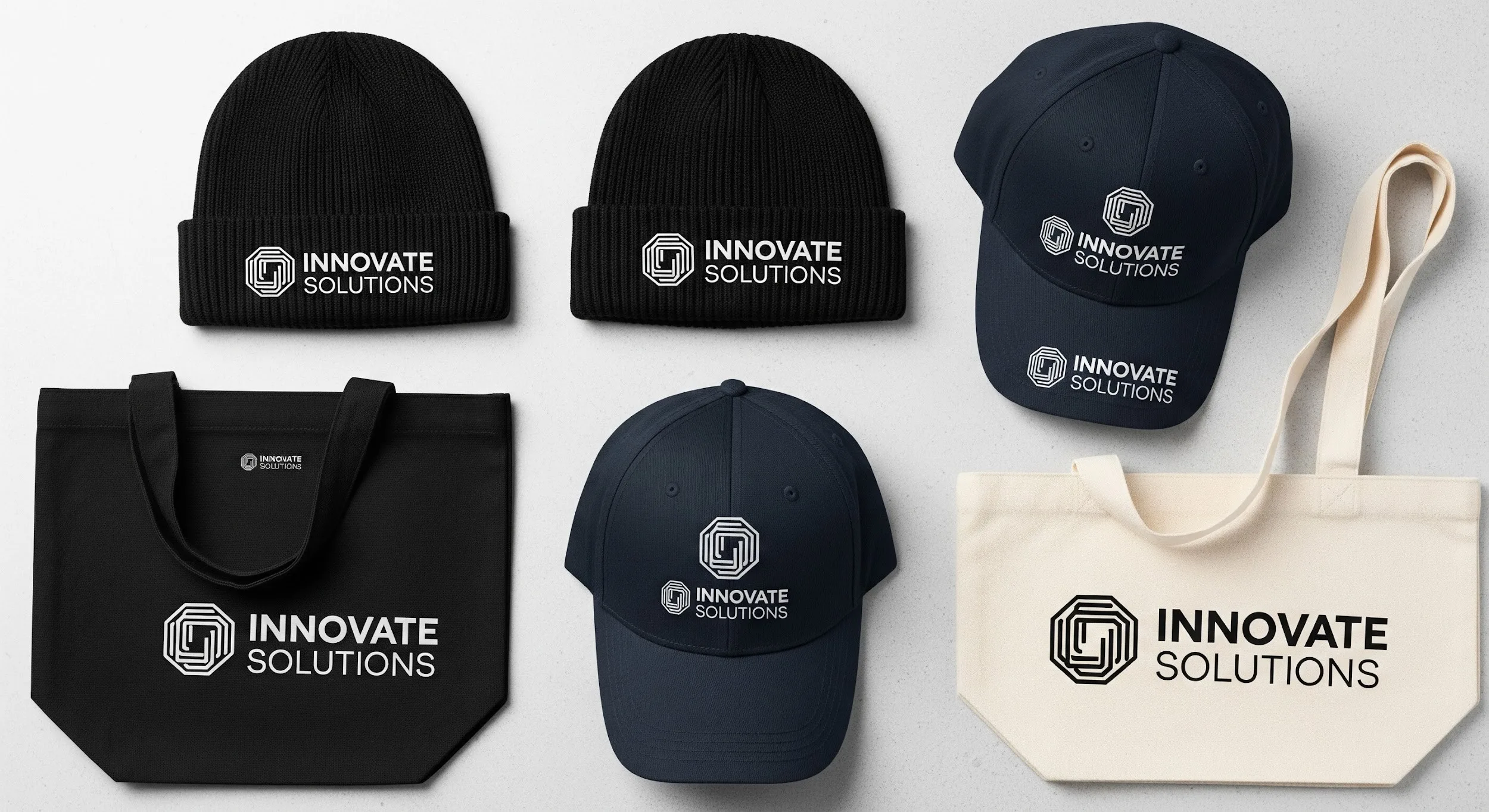
A good example of this transition is the embroidered beanies. Cold mornings, unpredictable weather, and outdoor work require warmth, and embroidered branding ensures that the brand will be seen at all times. These products are widely popular among the retail, logistics and service fields because they not only meet the practical needs, but they also increase recognition subtly.
Practicality as a Branding Driver
Accessories are effective because they provide solutions. Bags organise equipment, hats manage temperature, and gloves provide grip. Usefulness becomes exposure when these products bear a brand mark. Employees gain from useful equipment, while companies maintain awareness without having to make large investments.
Regular use is encouraged by practical design. Something worn every day becomes a part of habit, whereas something kept in a locker has no value. This consistent presence increases customer familiarity and fortifies internal ties to the company.
Personalisation Beyond Logos
Customisation is no longer limited to placing a logo on fabric. A more deliberate result is produced by the choice of colour, material, stitching technique, and fit options. When accessories feel thoughtful rather than generic, employees notice.
Respect is shown by this attention. Employees who feel empowered rather than just provided with uniforms tend to be more meticulous about their appearance. Even before the conversation starts, that pride gently raises clients’ perceptions of service quality.
Supporting Outdoor and Mobile Teams
Outdoor jobs have their challenges. Being exposed to wind, rain and temperature variations requires versatile equipment. Accessories provide the seasonal adjustability without necessitating a complete change of uniform multiple times per year.
It is simple to introduce, scale, and replace a pair of protective gloves or a warm hat without disruption. This flexibility explains why businesses with mobile teams are investing more in custom gear in addition to standard uniforms.
Cost Efficiency and Long-Term Value
Although they are usually less expensive than full uniforms, accessories have a similar branding influence. Wider distribution is made possible by their lower price point, guaranteeing that every team member, regardless of seniority or job, obtains uniform equipment.
Durability is important. Well-made products last through frequent usage, gradually increasing brand awareness. When the initial investment is well balanced, it results in more visibility and fewer replacements.
Reinforcing Professional Consistency
Consistency builds trust. When employees seem united, the clientele feels convinced of reliability and order. Accessories are used to sustain such unity among the different departments with different dress code needs.
Without requiring matching uniforms, a single branded item can connect field workers, warehouse teams and office staff. While honouring role-specific requirements, this visual relationship improves brand recognition.
Employee Experience and Everyday Comfort
Comfort affects morale. Wearable accessories decrease fatigue and distraction. When workers appreciate their equipment, compliance will be enhanced naturally and not by coercion.
Small comforts accumulate. Comfort in early shifts, safe storage of tools or weather protection all help in enhancing concentration. These facts also change the way employees feel about their day in the office over time.
A Subtle Signal of Modern Thinking
Wearing customised accessories creates awareness. It is a sign that a company values not only functionality but also beauty and is sensitive to contemporary work practices. This combination will be attractive to modern clients who seek professionalism without rigidity.
Adaptable branded products will continue to be relevant as workplaces continue to change. Unlike standard uniforms, accessories react to movement, interaction, and surroundings. Their increasing prevalence is indicative of a larger trend in contemporary corporate culture towards pragmatic, human-centred design.