Why Jewelry Is Becoming More Than Just Decoration
Introduction — A Shift in How We See Jewelry
For centuries, jewelry has been closely tied to beauty, wealth, and social status. From royal crowns to diamond necklaces, these pieces often served as visual markers of power or prestige. Even in everyday life, jewelry was largely chosen to complement an outfit or enhance appearance. It was something worn for others to see, a finishing touch rather than a reflection of something deeper.
But that perspective is changing. Today, more people are beginning to view jewelry through a different lens. It’s no longer just about sparkle or trend; it’s about meaning, identity, and intention. Whether it’s a ring that marks a personal milestone or a necklace that carries emotional value, jewelry is becoming more personal than ever before. This shift reflects broader changes in how people approach fashion, consumption, and self-expression.
The Rise of Meaningful Consumption
One of the biggest drivers behind this transformation is the growing movement toward mindful consumption. In contrast to fast fashion where items are often bought impulsively and discarded quickly consumers are now prioritizing quality over quantity. They’re asking questions like: Does this piece matter to me? Will I wear it for years? Does it tell a story?
Jewelry fits naturally into this mindset. Unlike clothing, which can feel temporary, a well-chosen piece of jewelry can last a lifetime. It can hold memories, represent values, or even be passed down through generations. As a result, people are becoming more intentional about what they buy, choosing pieces that carry emotional weight rather than just visual appeal.
This doesn’t mean people have stopped caring about design far from it. Instead, design and meaning are now working together. A piece is no longer valuable just because it looks good, but because it feels right.
Jewelry as Self-Expression
Another important shift is how jewelry is being used as a form of self-expression. Modern women, in particular, are redefining what jewelry means in their daily lives. It’s no longer reserved for special occasions or formal events. Instead, it’s being worn every day, in ways that reflect personality, mood, and even life stages.
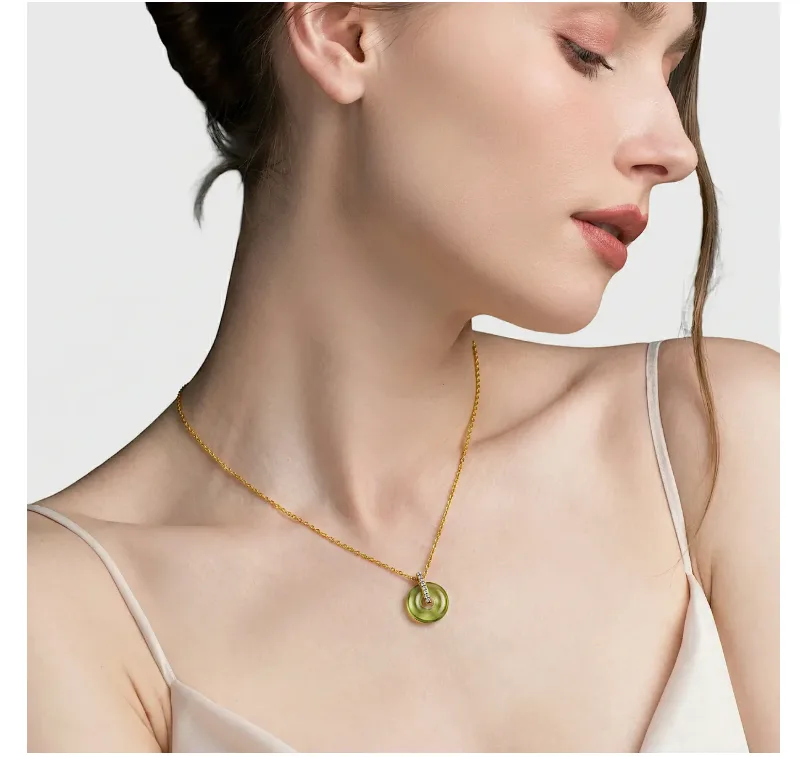
A simple pendant might symbolize independence. A stack of rings could represent different milestones or memories. Even minimalist pieces can carry quiet significance, chosen not for attention but for personal connection.
What’s interesting is how the line between everyday wear and occasion wear is fading. Jewelry is no longer something you “save” for the right moment. It becomes part of your identity—something that evolves with you. This shift makes jewelry feel less like an accessory and more like an extension of who you are.
The Influence of Gemstones and Symbolism
Alongside this trend, there’s been a renewed interest in gemstones and their symbolic meanings. People are increasingly drawn to birthstones, colored gems, and pieces that carry cultural or historical significance. These choices often go beyond aesthetics, reflecting personal beliefs, intentions, or emotional connections.
For example, someone might choose a gemstone associated with strength, clarity, or calm—not necessarily because they fully believe in its properties, but because it resonates with how they feel or what they value. It’s less about strict spiritual claims and more about personal interpretation.
This subtle blend of symbolism and style allows individuals to create their own narratives through jewelry. A piece becomes more than just something you wear; it becomes something you understand.
Brands Reflecting the Shift
As consumer preferences evolve, many modern jewelry brands are adapting to meet these new expectations. Instead of focusing solely on luxury or trend-driven designs, they are emphasizing meaning, craftsmanship, and emotional connection.
A good example of this approach can be seen with DrunkAngel.com, a brand that leans into the idea of combining passion with grace. Rather than treating jewelry as purely decorative, it reflects a deeper design philosophy, one that values individuality and intention. The use of thoughtfully selected gemstones and refined aesthetics speaks to a modern audience that wants more from what they wear.
What makes this kind of brand stand out is its understanding of today’s consumer. It’s not about making bold claims or pushing trends, but about offering pieces that feel personal and relevant. Jewelry becomes a quiet companion to everyday life, rather than just an occasional statement.
Conclusion — The Future of Jewelry
Jewelry is no longer just an accessory, it’s becoming a personal statement. As people move toward more intentional lifestyles, the things they choose to wear are gaining new significance. The boundary between fashion and meaning continues to blur, creating space for pieces that are both beautiful and deeply personal.
Looking ahead, this trend is likely to grow even stronger. Consumers will continue to seek out items that reflect who they are, what they value, and the stories they want to carry with them. In this evolving landscape, jewelry stands out as something uniquely powerful: small in size, yet rich in meaning.