Why Real-Time Data Matters in Modern Transportation Systems
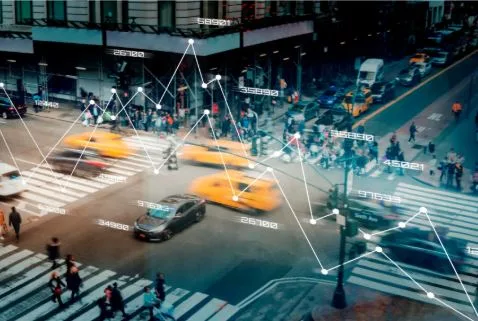
In today’s fast-moving world, transportation systems are under constant pressure to be faster, safer, and more efficient. Whether it’s urban commuting, freight logistics, or public transit networks, the need for accurate and immediate information has never been greater. This is where real-time transportation data plays a transformative role, enabling smarter decisions and smoother operations across the entire mobility ecosystem.
The Shift Toward Data-Driven Transportation
Traditional transportation systems relied heavily on static schedules, historical patterns, and manual monitoring. While these methods served their purpose in the past, they often fell short in addressing dynamic challenges like traffic congestion, accidents, or unexpected delays.
Modern transportation systems, however, are powered by data that updates instantly. This shift has paved the way for smarter infrastructure, where vehicles, roads, and control systems communicate seamlessly. A key concept driving this transformation is connected mobility, where different elements of transportation networks are digitally linked to share and act on real-time insights. This integration allows cities and organizations to respond proactively rather than reactively.
Enhancing Traffic Management
One of the most visible benefits of real-time transportation data is improved traffic management. Traffic control centers can monitor road conditions as they change and adjust signals accordingly. For example, if congestion builds up at a major intersection, traffic lights can be modified in real time to ease the flow.
Navigation apps also leverage real-time data to suggest alternative routes, helping drivers avoid delays. This not only reduces travel time but also decreases fuel consumption and emissions. In densely populated cities, even small improvements in traffic flow can have a significant impact on overall efficiency.
Improving Public Transportation Systems
Public transit systems greatly benefit from real-time data. Buses, trains, and trams equipped with GPS and IoT sensors provide live updates on their location and status. Passengers can access accurate arrival times, reducing uncertainty and wait times.
Transit agencies can also use this data to optimize routes, manage fleet operations, and respond quickly to service disruptions. For instance, if a bus breaks down, dispatchers can immediately reroute nearby vehicles to minimize inconvenience for passengers. This level of responsiveness improves customer satisfaction and encourages more people to use public transportation.
Boosting Safety and Emergency Response
Safety is a critical aspect of any transportation system. Real-time transportation data enhances safety by providing instant alerts about accidents, hazardous road conditions, or severe weather events. Drivers and operators can take immediate action to avoid risks.
Emergency services also benefit significantly. When an accident occurs, real-time data helps responders identify the exact location and choose the fastest route to reach the scene. This can make a crucial difference in saving lives and reducing the severity of injuries.
Optimizing Logistics and Supply Chains
In the logistics sector, timing is everything. Companies rely on real-time transportation data to track shipments, monitor delivery routes, and manage fleets efficiently. This visibility allows businesses to anticipate delays, adjust schedules, and keep customers informed.
For example, delivery companies can reroute vehicles in response to traffic conditions or prioritize urgent shipments. This level of optimization reduces operational costs and improves reliability, which is essential in today’s competitive market.
Supporting Sustainable Transportation
Sustainability is becoming a top priority for cities and organizations worldwide. Real-time data contributes to greener transportation by reducing unnecessary travel and optimizing routes. When vehicles spend less time idling in traffic, fuel consumption decreases, leading to lower carbon emissions.
Additionally, data-driven insights can help city planners design better infrastructure, such as dedicated bus lanes or bike paths, to promote eco-friendly modes of transport. Over time, these improvements contribute to cleaner air and a healthier environment.
Enabling Smart City Integration
Real-time transportation data is a cornerstone of smart city initiatives. It integrates with other systems like energy management, urban planning, and public safety to create a cohesive urban ecosystem. For instance, traffic data can be combined with environmental sensors to monitor pollution levels and implement corrective measures.
This interconnected approach ensures that cities operate more efficiently and provide a higher quality of life for residents. As technology continues to evolve, the role of real-time data in shaping smart cities will only grow stronger.
Challenges and Future Opportunities
Despite its many advantages, implementing real-time transportation data systems comes with challenges. These include high infrastructure costs, data privacy concerns, and the need for robust cybersecurity measures. However, advancements in technology are gradually addressing these issues.
Looking ahead, innovations like artificial intelligence and machine learning will further enhance the capabilities of real-time data systems. Predictive analytics, for example, can anticipate traffic patterns and prevent congestion before it occurs. Autonomous vehicles will also rely heavily on real-time data to navigate safely and efficiently.
Conclusion
The importance of real-time transportation data in modern systems cannot be overstated. It enables faster decision-making, improves safety, enhances efficiency, and supports sustainability efforts. As transportation networks become more complex, the ability to access and act on real-time information will be a defining factor in their success.
From reducing daily commute times to optimizing global supply chains, real-time data is reshaping how we move. As cities and organizations continue to invest in advanced technologies, the future of transportation will be smarter, more connected, and increasingly responsive to the needs of its users.