Why Real-Time Data Matters in Modern Transportation Systems
Modern transportation systems are evolving at a rapid pace, driven by the need for efficiency, safety, and enhanced user experiences. One of the most critical factors behind this transformation is real-time data. Whether it’s managing traffic flow, coordinating logistics, or enhancing event experiences, real-time insights are reshaping how transportation and entertainment systems operate together. In environments like concerts, weddings, and live events, lighting systems also rely heavily on real-time data to create synchronized, dynamic experiences.
The Power of Real-Time Data in Transportation
Real-time data refers to information that is delivered immediately after collection, without delays. In transportation, this includes live traffic updates, vehicle tracking, route optimization, and passenger information systems. These data streams help reduce congestion, improve safety, and enhance overall efficiency.
For example, GPS-enabled systems provide instant updates on vehicle locations, allowing operators to adjust routes based on current conditions. Similarly, smart traffic signals adapt to changing traffic patterns, reducing waiting times and fuel consumption. These systems rely on continuous data flow to make split-second decisions that improve mobility.
Enhancing Event Transportation and Lighting Coordination
In the entertainment industry, especially in large-scale events like concerts, weddings, and festivals, transportation and lighting systems must work in harmony. Real-time data plays a key role in ensuring seamless coordination between these elements.
Imagine a wedding venue where guests are arriving while stage lighting is being set up. With real-time tracking, event planners can monitor guest arrivals and adjust lighting sequences accordingly. This creates a smooth and welcoming atmosphere without delays or confusion.
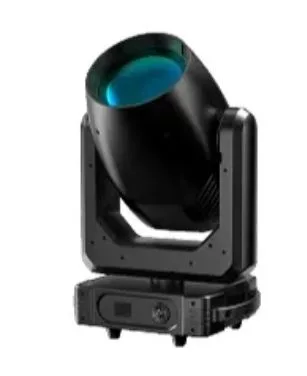
Advanced lighting solutions such as moving head light systems depend on real-time data to synchronize movement, color changes, and intensity with music and stage activities. These lights can be programmed to respond instantly to cues, creating a visually stunning experience.
Smart Lighting Systems in Modern Events
Lighting has become an essential component of modern transportation hubs and event venues. Airports, train stations, and even smart cities use intelligent lighting systems that adapt based on real-time data.
In entertainment settings, lighting technologies like Beam light systems are used to create sharp, focused beams that cut through space, adding drama and excitement to performances. These lights rely on real-time control systems to adjust direction, brightness, and patterns instantly.
Similarly, wash lights provide broad, even illumination that enhances the overall ambiance of a venue. When integrated with real-time data, these lights can shift colors and intensity based on crowd movement, music tempo, or event phases.
Improving Safety and Efficiency
Real-time data is not just about convenience, it’s also about safety. In transportation systems, immediate data allows for quick responses to emergencies, accidents, or unexpected delays. Authorities can reroute traffic, dispatch emergency services, and inform the public within seconds.
In event environments, lighting systems powered by real-time data can improve safety by ensuring proper visibility and guiding crowd movement. For example, during an emergency evacuation, lighting can automatically adjust to highlight exit paths and reduce panic.
Integration of Technology and Entertainment
The intersection of transportation and entertainment is becoming more apparent as technology advances. Smart venues now integrate transportation data with lighting and sound systems to create immersive experiences.
For instance, a concert venue can use real-time traffic data to predict audience arrival times and adjust pre-show lighting accordingly. As the crowd builds, lighting intensity and effects can gradually increase, enhancing anticipation and excitement.
Lighting manufacturers and solution providers are continuously innovating to meet these demands. Platforms like XMLite Lighting offer advanced stage lighting solutions designed for real-time control and high-performance environments. These systems are widely used in concerts, weddings, and large-scale events where precision and timing are crucial.
The Future of Real-Time Data in Transportation and Lighting
As technology continues to evolve, the role of real-time data will only become more significant. The integration of artificial intelligence, IoT (Internet of Things), and smart sensors will further enhance the capabilities of transportation and lighting systems.
Future developments may include fully automated transportation networks that communicate directly with event systems, ensuring perfect synchronization between arrival times and event schedules. Lighting systems will become even more responsive, adapting instantly to environmental changes and audience behavior.
Conclusion
Real-time data is transforming modern transportation systems and redefining how events are managed and experienced. From improving traffic flow to enhancing stage lighting effects, its impact is undeniable. In the world of entertainment, technologies like moving head light, Beam light, and wash lights are leveraging real-time data to create unforgettable experiences.
As industries continue to embrace innovation, the combination of transportation efficiency and intelligent lighting will play a vital role in shaping the future of events, making them more dynamic, safe, and engaging for everyone.