A Practical Guide to Packaging Equipment
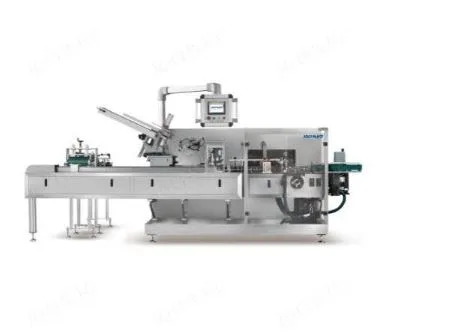
Every product that reaches a shelf, a doorstep, or a warehouse has passed through some kind of packaging equipment along the way. It’s easy to overlook, but the right machinery determines how fast a business can produce, how consistent its product looks, and how much it spends per unit shipped. Understanding the basic categories of packaging equipment — and how to choose between them — helps businesses avoid costly mismatches between their production needs and the machines they invest in.
What Counts as Packaging Equipment
Packaging equipment covers any machine involved in preparing a product for storage, shipping, or sale. That includes:
- Filling machines – dispense liquids, powders, or granules into containers
- Sealing machines – close bags, pouches, or containers using heat, induction, or adhesive
- Labeling machines – apply labels, barcodes, or branding to packages
- Wrapping machines – shrink-wrap or stretch-wrap products or pallets
- Cartoning and case-packing machines – load products into boxes or cases
- Palletizing equipment – stack finished cases onto pallets for shipping
- Checkweighers and inspection systems – verify weight, fill level, or seal integrity before products leave the line
Some businesses need only one or two of these machines; others run a fully integrated line where a product moves from filling to sealing to labeling to palletizing without manual handling in between.
Manual, Semi-Automatic, and Fully Automatic Equipment
Packaging equipment generally falls into three tiers:
Manual equipment requires an operator for most or all of the process — useful for small businesses, low volumes, or highly variable products that don’t suit automation.
Semi-automatic equipment handles part of the process automatically (like sealing or filling) while a person still loads or positions the product. This is a common middle ground for growing businesses that have outgrown manual methods but aren’t ready for a full production line.
Fully automatic equipment runs with minimal human intervention, often integrated with conveyors and sensors to move products through multiple stages continuously. This tier makes sense once volume is high and consistent enough to justify the investment.
Matching Equipment to Product Type
The physical nature of a product shapes which equipment fits:
- Liquids typically need volumetric or gravity fillers paired with capping or induction-sealing machines.
- Powders and granules often require auger fillers or net-weigh systems to handle flow consistency.
- Solid or irregular items (like baked goods or hardware) usually call for flow wrappers or vertical form-fill-seal machines.
- Fragile or high-value items may need cushioning or void-fill equipment integrated into the packing line.
Getting this match wrong is one of the most common — and expensive — mistakes businesses make when equipping a line for the first time.
Space, Layout, and Line Integration
Packaging equipment doesn’t operate in isolation. Floor space, ceiling height, and the layout of upstream and downstream equipment all affect what fits. A machine that performs beautifully in a supplier’s demo facility might not integrate cleanly into an existing production line without added conveyors, guarding, or control system adjustments. It’s worth mapping out the full line — not just the individual machine — before finalizing a purchase.
Maintenance and Changeover Time
Two practical factors often get underweighted during equipment selection:
- Changeover time — how long it takes to switch a machine from one product size or format to another. Businesses running multiple SKUs benefit significantly from equipment designed for quick changeovers.
- Maintenance access — how easy it is to clean, service, and replace wear parts. Equipment that requires extensive disassembly for routine maintenance tends to create more downtime over its lifespan than machines designed with accessibility in mind.
New vs. Used Equipment
Buying used packaging equipment can significantly lower upfront costs, and it’s a common route for startups or businesses testing a new product line before committing to new machinery. The tradeoffs include limited warranty coverage, potential compatibility issues with modern control systems, and less certainty about a machine’s maintenance history. New equipment costs more but typically comes with manufacturer support, current safety compliance, and predictable performance from day one.
Final Thoughts
Packaging equipment decisions work best when they start with the product and the production volume, not with the machine catalog. Businesses that map out their actual throughput needs, product characteristics, and available floor space before shopping tend to end up with equipment that fits — rather than equipment they have to work around. Getting a demo with a similar product, checking changeover and maintenance requirements, and comparing new versus used options are all reasonable steps before making a final decision.