Cartoning Machines Explained
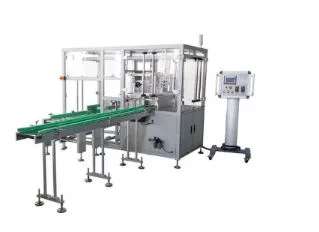
A cartoning machine takes a flat piece of folded cardboard and turns it into a filled, sealed box ready for shipping or store shelves — all within seconds. These machines sit at a critical point in many production lines, bridging the gap between a finished product and the retail-ready package customers eventually see. From pharmaceutical blister packs to cereal boxes to cosmetic sets, cartoning machines are one of the most widely used pieces of equipment in packaging.
What a Cartoning Machine Actually Does
The process generally follows four stages:
- Carton erecting – A flat carton blank is picked from a magazine and folded into a box shape.
- Product loading – The product, or a pre-grouped set of products, is inserted into the open carton.
- Closing – Flaps are folded and secured using glue, tape, or interlocking tabs.
- Coding or labeling – Batch numbers, expiration dates, or barcodes are printed or applied to the finished carton.
Some cartoning machines only handle one or two of these steps, while fully automated systems complete the entire sequence without manual intervention.
Horizontal vs. Vertical Cartoning Machines
Horizontal Cartoners Products move along a horizontal path and are pushed into the side of an open carton. This design suits flatter or moderately rigid products — think chocolate bars, blister packs, or folded documents — where side-loading keeps the product stable during insertion.
Vertical Cartoners Cartons are held upright while products drop or are placed in from above. This works well for items like bottles, jars, or pouches that benefit from gravity during loading and don’t require precise side alignment.
Choosing between the two often comes down to product shape and how the product arrives at the cartoning stage — upright, lying flat, or grouped in a tray.
Continuous Motion vs. Intermittent Motion
Cartoning machines also differ by how they move through the cycle:
- Intermittent motion machines stop briefly at each stage (erecting, loading, sealing), which allows for precise handling but limits top speed. These are common in pharmaceutical and cosmetic packaging, where accuracy matters more than raw throughput.
- Continuous motion machines never fully stop, keeping cartons moving through each stage at a steady pace. These handle much higher speeds and are typical in food and consumer goods packaging where volume is the priority.
Industries That Rely on Cartoning Machines
- Pharmaceuticals – Cartoning machines here often integrate with serialization systems to print unique codes for track-and-trace compliance, alongside inserting leaflets or blister packs.
- Food and beverage – Cereal, snack, and frozen food cartons are typically run on high-speed continuous motion cartoners.
- Cosmetics and personal care – Cartoning machines handle everything from single-item boxes to multi-product gift sets.
- Electronics and consumer goods – Cartoners here often need to accommodate protective inserts or foam alongside the product itself.
What to Look for When Choosing One
Product and Carton Compatibility A cartoning machine designed for rigid bottles may struggle with soft pouches or irregularly shaped items. Confirming compatibility with the exact product — not just a similar category — avoids problems after installation.
Speed Requirements Cartoning machines are typically rated in cartons per minute. It helps to size a machine around expected volume over the next several years rather than just current output, since retooling a machine later for higher speed is often more expensive than buying the right capacity upfront.
Changeover Time Businesses running multiple carton sizes or product lines benefit from machines built for quick, tool-less changeovers. Machines requiring lengthy manual adjustment between runs can quietly eat into daily output.
Integration with Serialization and Coding For pharmaceutical and regulated industries, confirming a cartoning machine can integrate with existing serialization, track-and-trace, or coding systems is essential — retrofitting this after purchase is often costly.
Footprint and Line Layout Cartoning machines need to fit within existing line space and sync with upstream feeding equipment and downstream case packing or palletizing systems. Reviewing the full line layout, not just the machine’s specs sheet, helps avoid integration issues later.
Maintenance Considerations
Routine maintenance for cartoning machines typically involves checking glue systems, sensors, and carton-feed mechanisms, along with periodic calibration to keep folding and sealing consistent. Machines designed with accessible service points tend to reduce downtime, since operators can resolve minor issues without waiting for a technician visit.
Final Thoughts
A cartoning machine is often one of the most visible pieces of equipment on a packaging line, directly shaping how a product looks and performs once it reaches a customer or retailer. Matching the machine type — horizontal or vertical, intermittent or continuous motion — to the actual product and required speed makes the difference between a smooth-running line and one that constantly needs adjustment. Requesting a live demo with the actual product, confirming changeover times, and checking integration requirements are practical steps before making a final decision.