Folded Paper Towel Dispensers: A Practical Guide
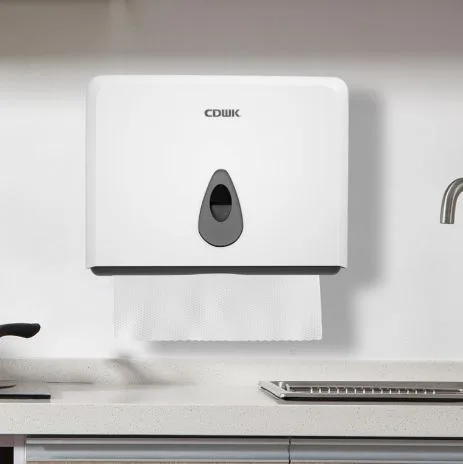
Public restrooms, break rooms, and commercial kitchens rely on a piece of equipment that rarely gets a second thought until it’s empty or jammed: the folded paper towel dispenser. Simple in concept, these dispensers still vary significantly in design, capacity, and material — choices that affect everything from maintenance frequency to hygiene and cost per use.
What a Folded Paper Towel Dispenser Does
Unlike roll towel dispensers, folded paper towel dispenser hold pre-cut, pre-folded paper towels stacked inside a housing. Users pull or the dispenser releases a single towel at a time, typically through one of these mechanisms:
- Push-style dispensers – Users press a lever or tab to release a towel
- Pull-style dispensers – A visible edge allows users to grab and pull a towel directly
- Touchless dispensers – A sensor detects hand presence and dispenses a towel without contact
Common Fold Types
Folded paper towels come in several standard folds, and dispensers are typically designed around a specific type:
C-Fold Folded into a C-shape, these are among the most common commercial towel types and fit a wide range of standard dispensers.
Multifold (Z-Fold) Interfolded so that pulling one towel advances the next partway out, allowing for compact, efficient dispensing common in office and retail restrooms.
Single-Fold Folded once down the middle, offering a simpler, often more economical option for lower-traffic settings.
Choosing a dispenser compatible with the specific fold type used is essential, since folds aren’t universally interchangeable between dispenser models.
Materials and Durability
Folded paper towel dispensers are typically made from:
- Plastic (ABS or polycarbonate) – Lightweight, cost-effective, and available in various colors, though less durable in high-abuse environments
- Stainless steel – More durable and resistant to vandalism or heavy use, common in high-traffic public restrooms or industrial settings
- Recycled or eco-conscious materials – Increasingly available for businesses prioritizing sustainability in facility supplies
Key Factors to Consider Before Choosing a Dispenser
Capacity Dispensers vary in how many towels they hold, which directly affects how often they need refilling. High-traffic locations like airports or stadiums benefit from higher-capacity dispensers to reduce maintenance frequency, while lower-traffic settings can use smaller units.
Mounting Type Most folded towel dispensers are wall-mounted, though some countertop or freestanding models exist for specific settings. Confirming mounting compatibility with the intended installation location — and factoring in accessibility requirements — matters for both usability and code compliance.
Locking Mechanism Dispensers in public or high-traffic settings often include a locking mechanism to prevent tampering or theft of paper supplies, while lower-risk environments like private offices may not need this feature.
Touchless vs. Manual Operation Touchless dispensers have grown more common, particularly since increased attention to hygiene in shared spaces. They typically cost more upfront and may require battery replacement or power access, but they reduce surface contact for users.
Refill Indicator Some dispensers include a viewing window or indicator showing remaining towel supply, helping facility staff plan refills proactively rather than discovering an empty dispenser after the fact.
Hygiene Considerations
Folded paper towel dispensers are generally considered more hygienic than shared cloth towels, since each towel is used once and discarded. However, hygiene also depends on:
- Dispenser design – Enclosed systems that protect towels from dust and contamination are preferable to open designs
- Refill practices – Staff should avoid touching the towel stack directly during refills where possible
- Placement – Positioning dispensers away from splash zones near sinks helps keep the paper supply dry and usable
Cost Considerations
While the dispenser itself is a one-time or infrequent purchase, ongoing costs come primarily from the paper towel refills themselves. Folded towels are generally priced per case, and cost-per-use can vary based on fold type, sheet size, and ply. Businesses managing multiple restroom locations often standardize on a single fold type and dispenser model across sites to simplify purchasing and reduce inventory complexity.
Maintenance Considerations
Routine maintenance is minimal but important — refilling before towels run out, periodically cleaning the dispenser exterior and interior to prevent dust buildup, and checking locking mechanisms or sensors (for touchless models) to ensure consistent operation.
Final Thoughts
Folded paper towel dispensers are a small piece of facility infrastructure, but choosing the right fold type, capacity, and material affects daily maintenance workload, user experience, and long-term cost. Matching the dispenser to the expected traffic volume and hygiene priorities of the space — rather than defaulting to the cheapest available option — tends to pay off through fewer refill trips and a more reliable supply for users.