Leasing vs. Financing a New RAM Truck in Ontario
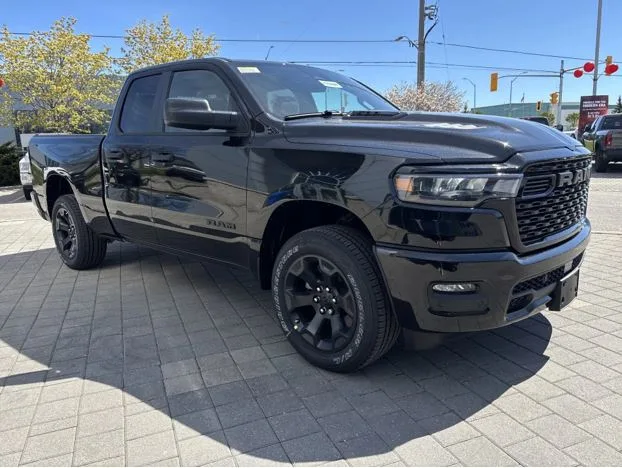
Buying a new truck should feel exciting, but the payment options can make your decision feel more complicated than it needs to be. Buyers often compare leasing and financing options because both can get you behind the wheel of a capable new Ram truck, but the better choice depends on how you drive, how long you plan to keep the vehicle, and what kind of financial flexibility you want.
If you’re comparing trims, payment structures, and ownership options, speaking with a Ram 1500 dealer can help you understand how leasing and financing apply to your driving needs, from commuting around the GTA to towing trailers, hauling tools, or managing winter road conditions.
Leasing 101
Leasing is similar to a long-term rental with rules built into the agreement. You make monthly payments for the right to drive the truck over a set term, usually two to five years. At the end, you typically return the vehicle, buy it out, or move into a newer model.
The biggest appeal is payment flexibility. Lease payments are often lower than finance payments because you’re paying for the truck’s expected depreciation during the lease term, not the full purchase price. This can make it easier to access newer technology, updated safety features, and higher trims without committing to long-term ownership.
However, leasing comes with limits. Mileage caps matter if you cover long distances between work sites, a cottage, and daily errands. Excess wear, modifications, and early termination fees can also create costs if your lifestyle doesn’t match the lease terms.
The Basics of Vehicle Financing
Financing means you are buying the truck over time. You make payments until the loan is paid off, and once it is, the vehicle is fully yours.
This option is often better if you drive high mileage, keep vehicles for many years, or use your truck for demanding work. Contractors, landscapers, outdoor adventurers, and rural drivers may prefer financing because they can add accessories, install work equipment, and use the truck without worrying about lease-end inspections.
The tradeoff is that monthly payments are usually higher than leasing. You also take on long-term depreciation, maintenance as the truck ages, and eventual resale decisions. Still, you own the vehicle outright once it’s paid off, and if you keep it well beyond the loan term, financing can offer strong value for your money.
Which Option Makes More Sense?
Leasing may suit you if you like driving newer trucks, want predictable warranty-era ownership, and don’t exceed mileage limits. It can also work well for business owners who prefer regular vehicle turnover, and lease payments may get better tax treatment than loan payments. Always check with an accountant to understand the differences and to ensure that you have the latest information.
Financing may be the stronger choice if your truck is part of your daily lifestyle, you drive extensively, or you want full control over how the vehicle is used. Ontario weather, towing demands, and mixed urban-rural driving can all affect how much flexibility you need.
Make the Decision Around Real Use
The right choice goes beyond picking the lowest monthly payment and must address the way you actually live. Before signing, compare total cost, mileage, warranty coverage, buyout options, interest rates, and your plans three to five years from now.