Gladstone Real Estate: A 2026 Guide to Buying, Selling and Investing in Central Queensland
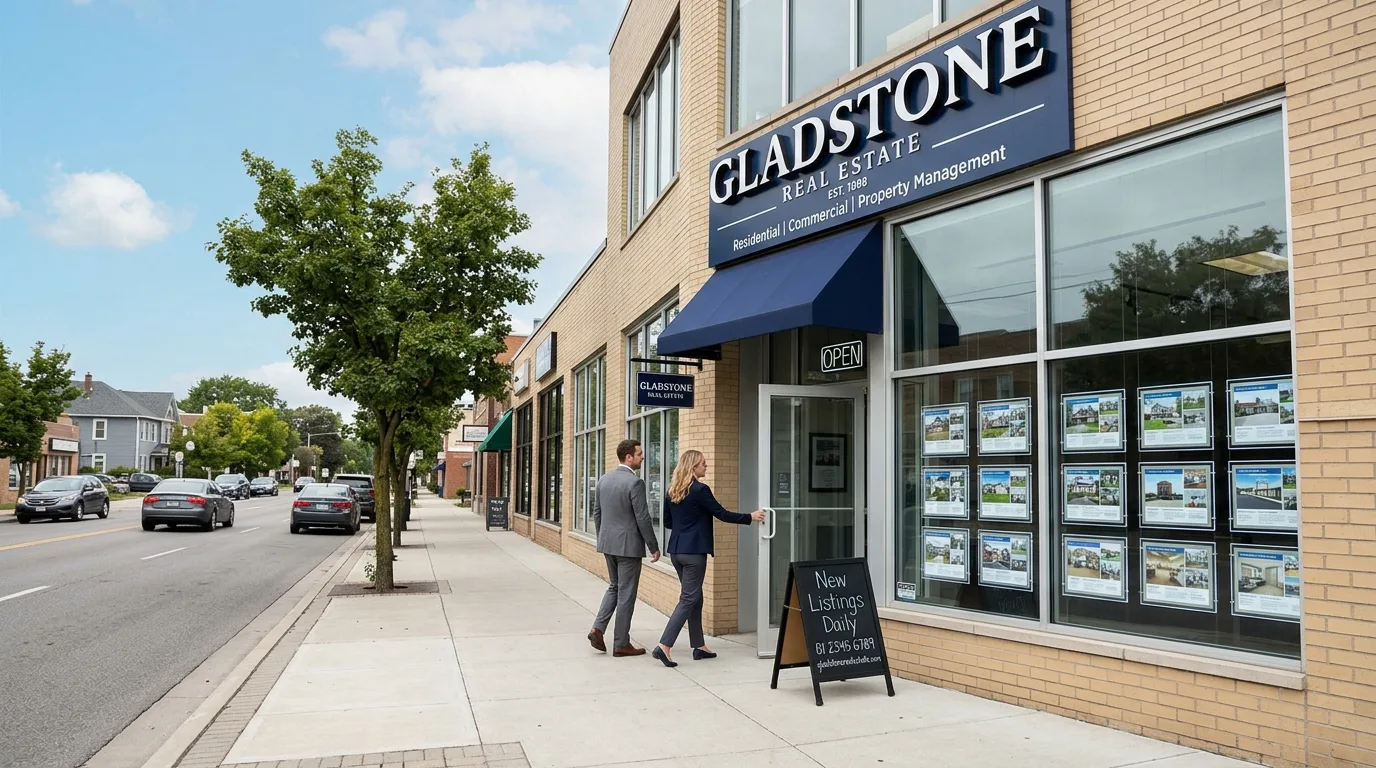
The Gladstone real estate market in 2026 sits in an interesting spot: still noticeably more affordable than Queensland’s coastal hotspots, yet coming off a run of strong growth with rental yields that consistently beat the capital cities. Whether you are buying your first home, selling, or weighing up an investment, Gladstone Real Estate rewards people who understand what actually moves this market, because Gladstone behaves differently from a lifestyle town or a big-city suburb.
This guide breaks down where prices stand, which suburbs are worth knowing, what is driving the numbers, and what buyers, sellers and investors should keep in mind this year.
What Drives the Gladstone Market
Gladstone is a working city first and a property market second, and that order matters. Its economy is anchored by heavy industry: alumina refining, three liquefied natural gas plants on Curtis Island, aluminium smelting at Boyne Island, and one of the country’s largest multi-commodity ports. Emerging hydrogen and renewable-energy projects are adding a new layer on top.
That industrial base is the engine behind housing demand. Stable, well-paid jobs support both buying and renting, which is why the market holds up on income and employment rather than speculation. It is also why Gladstone has historically been prone to boom-and-bust swings tied to the resources cycle, though in 2026 the market is in a more balanced phase than during the volatile LNG-construction years.
There is a bigger tailwind too. Regional Queensland is drawing strong interstate migration and heavy infrastructure spending in the lead-up to the 2032 Brisbane Olympics, and Gladstone is riding that broader wave of demand for affordable, employment-rich regional centres.
Where Prices Sit in 2026
The headline is affordability. Median house prices across Gladstone’s established urban suburbs generally fall somewhere between the low $400,000s and high $500,000s in 2026, with premium coastal pockets sitting higher and region-wide “typical” measures running above that again. Compared with Hervey Bay, the Sunshine Coast, Mackay or Townsville, buyers can still enter Gladstone at a fraction of the cost.
Growth has been anything but flat. Many suburbs posted double-digit annual capital growth through 2024 and 2025, and rents have climbed at a similar pace. Homes are also selling fast, with some suburbs turning over houses in as little as two to three weeks, a clear sign of tight supply and steady buyer demand.
Units remain the cheaper entry point and, in several suburbs, deliver the strongest rental yields, though they carry a longer history of softer demand and past oversupply in some precincts. As a rule, detached houses in established suburbs tend to hold their value more reliably than unit stock.
A Suburb Snapshot
Gladstone is not one market but many, and the differences between suburbs are real.
Gladstone Central is the most affordable entry point, with house medians around the low $400,000s and strong recent growth, making it popular with first-home buyers and yield-focused investors. South Gladstone and West Gladstone are established, family-friendly suburbs close to schools, parks and shops, with house medians in the high $400,000s to around $500,000, quick selling times and healthy yields.
New Auckland offers newer housing stock and has been one of the standout growth suburbs, appealing to buyers who want a modern home. Clinton combines newer estates with steady, homeowner-driven demand, sitting at a mid-to-upper price point favoured by buy-and-hold investors. Kin Kora is small and tightly held, so limited stock can push prices up quickly when demand rises. Kirkwood’s master-planned estates attract lifestyle buyers and point to longer-term capital growth.
For a coastal lifestyle, Tannum Sands and Boyne Island sit just south of the city with beach and riverfront appeal, higher owner-occupancy and premium pricing. Calliope offers semi-rural charm on larger blocks. At the higher-risk end, industrial-adjacent suburbs like Barney Point have shown some of the strongest growth and yields, rewarding buyers comfortable with the trade-off.
For Buyers and First-Home Buyers
Gladstone is one of the more achievable places in Queensland to get into the market, and that is its biggest draw for first-home buyers. Lower medians mean smaller deposits and more manageable repayments, and there is a genuine spread of options from older character homes to modern estates.
First-home buyers should factor in the government grants and schemes available in Queensland, including the expanded low-deposit options now open to eligible buyers with higher price caps, which suit Gladstone’s price levels well. The main thing to be ready for is pace. With homes selling quickly, buyers who have finance pre-approved and know their target suburbs are in a far stronger position than those still deciding.
For Sellers
Conditions in 2026 favour sellers in most established suburbs, with tight supply, fast selling times and rising values. That said, pricing still needs to be right. Even in a strong market, an overpriced home lingers, while a well-priced, well-presented property in a sought-after suburb can move in weeks.
One point worth weighing is agent commission, which is negotiable and varies between agencies. On a Gladstone-priced home, the difference between a standard rate and a lower one can run to several thousand dollars, so it pays to compare what is included in the marketing and service, not just the headline fee.
For Investors
For investors, Gladstone is an income play more than a rapid-growth play. Gross rental yields commonly sit around 5 to 6 percent for houses and higher again for some units, comfortably above capital-city returns, and vacancy rates have been tight.
The trade-off is volatility. Because the market is tied to resources and heavy industry, it carries more risk than a diversified lifestyle region, and its history includes sharp corrections. The investors who do well here tend to buy on conservative assumptions, keep cash buffers and are prepared to hold through the cycle rather than chase a quick capital gain. As always, this is general information rather than financial advice, and it is worth doing your own due diligence or speaking to a licensed professional before committing.
The 2026 Outlook
After the strong gains of the past two years, most indicators point to steady but more modest growth through 2026, likely in the low single digits per year rather than another double-digit surge. Strong rental yields and stable employment underpin values, while the main risks remain tied to the resources sector and any shift in major industrial activity.
In short, Gladstone in 2026 offers affordability, solid rental returns and a supportive employment base, balanced against the higher volatility that comes with an industry town. For the right buyer, seller or investor with a clear strategy, it remains one of Central Queensland’s more compelling markets.
Frequently Asked Questions
What is the average house price in Gladstone in 2026? It varies widely by suburb. Median house prices across Gladstone’s established urban suburbs generally range from the low $400,000s to the high $500,000s, with coastal suburbs like Tannum Sands and Boyne Island priced higher. Units are cheaper again.
Is Gladstone a good place to buy a first home? Yes. Gladstone is among the more affordable markets in Queensland, with lower deposits, a range of property types and access to first-home buyer grants and low-deposit schemes. The market moves quickly, so pre-approval helps.
Is Gladstone good for property investment? It suits income-focused investors. Rental yields of roughly 5 to 6 percent for houses beat the capital cities, and vacancy is tight, but the market is linked to heavy industry and carries more volatility than diversified regions.
Which Gladstone suburbs are worth looking at? Gladstone Central and South and West Gladstone offer affordable, established options. New Auckland, Clinton, Kin Kora and Kirkwood suit those wanting newer stock or steady growth, while Tannum Sands and Boyne Island offer coastal lifestyle at a premium.
Why do Gladstone property prices move the way they do? The market is driven by heavy industry, including alumina, LNG, aluminium smelting and the port, plus emerging hydrogen projects. Employment in these sectors supports demand, but it also makes the market more sensitive to the resources cycle.
Is 2026 a good time to sell in Gladstone? Conditions favour sellers in most established suburbs, with tight supply, quick sales and rising values. Pricing correctly and presenting the home well remain essential to achieving a strong result.
How much is real estate commission in Gladstone? Commission is negotiable and differs between agencies. On a typically priced Gladstone home, choosing a lower rate can save several thousand dollars, so it is worth comparing both the fee and what marketing and service it includes.